Japanese Robot Mimics Cat Behavior to Reduce Human Stress
Researchers at the University of Tsukuba have developed a robot that mimics “bunting”—the rhythmic head-rubbing behavior of cats—to effectively reduce human stress. This innovation provides a critical therapeutic alternative for individuals unable to keep pets due to allergies, medical restrictions, or strict facility regulations in clinical settings.
We are currently navigating a global crisis of emotional activation. Stress is not merely a feeling; it is a physiological state that compromises the immune system and accelerates cognitive decline. For many, the remedy is simple: the presence of a pet. The predictable, stable rhythm of a cat leaning its head against a hand or the steady vibration of a purr can reset the human nervous system in seconds. But this comfort is not a universal right.
Allergies, hygiene protocols in hospitals, and the sheer logistical burden of animal care create a “comfort gap.” This is where technology must step in, not to replace the biological bond, but to simulate the mechanical triggers of calm.
The Science of the Rub
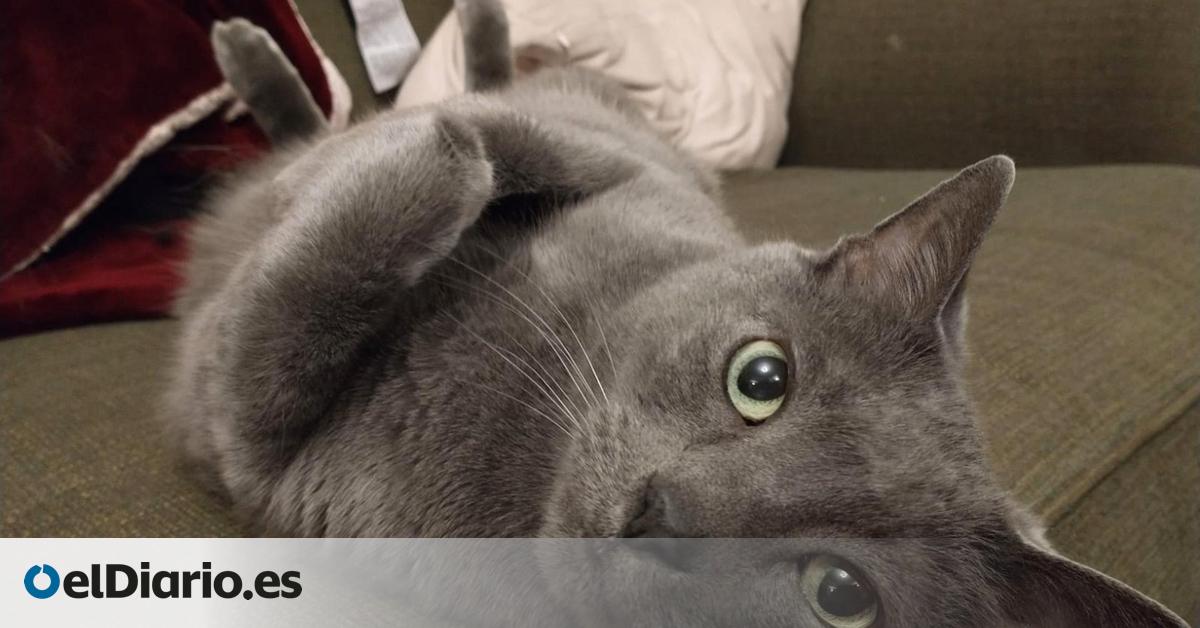
The behavior known as bunting is more than just a feline quirk. For a cat, it is a method of communication and territorial marking. For a human, however, the experience is translated into a measurable drop in emotional arousal. The secret lies in the tactile interaction—the specific pressure and movement of a soft object against the skin. When this contact is repeated and predictable, the body’s stress response begins to decelerate.

It is a simple gesture with a profound impact.
To replicate this, a team at the University of Tsukuba, led by Yuga Adachi and Fumihide Tanaka, sought to engineer a machine that could deliver this specific sensation. Their goal was not to create a lifelike animal, but to isolate the mechanical essence of the bunting gesture. The resulting device features a covered head and a structural frame designed to lean into and press against the human body.
Engineering Empathy: From Rigidity to Flexibility
The path to a relaxing robot was not immediate. The initial prototype was a lesson in the nuance of touch. During early trials with 22 participants, the researchers discovered a significant hurdle: the first version was too rigid. Users reported that the pressure felt artificial and lacked the organic “give” of a living creature. It felt like a machine, and it didn’t trigger the same emotional release.
The team pivoted, developing a second version featuring a flexible neck. This modification allowed the robot to change its rigidity in real-time during the movement, mimicking the way a cat adjusts its weight as it rubs against a surface.
This shift in engineering changed everything.
The researchers, publishing their findings in ACM Transactions on Human-Robot Interaction, tested three distinct conditions: low pressure, high pressure, and variable pressure. While all three groups reported a reduction in tension, those interacting with the variable-pressure model found the experience significantly more “credible.”
“I thought the force was changing and it seemed real, so this behavior was the most relaxing.”
Another participant noted that the movement felt natural specifically because it oscillated between stronger and softer forces, mirroring the unpredictability of a living animal.
The High Cost of Biological Comfort
While a robot can simulate the feeling of a cat, the reality of owning a living pet is an entirely different commitment. The physical and emotional benefits of pets are undeniable, but they come with a rigorous maintenance schedule to ensure the animal’s own quality of life.
Sandra Martínez, a specialist in pet nutrition, emphasizes that longevity in animals is not accidental but a result of strict health management. She notes that older dogs, for instance, can extend their lives by up to two years if they maintain optimal weight and musculature. This highlights the paradox of pet therapy: the highly animals that provide us with stress relief require a level of care and medical oversight that many stressed individuals or understaffed care facilities cannot provide.
When the burden of pet ownership becomes a source of stress itself, or when medical environments forbid animals, the require for assistive technology providers becomes paramount. We are seeing a shift toward “synthetic empathy,” where the goal is to provide the physiological benefit of a pet without the biological risks or the demanding care requirements.
Clinical Implications and the Control Gap
The potential applications for this technology are vast. In hospitals, where sterile environments are mandatory, or in senior living coordinators‘ managed wards, a bunting robot could serve as a non-pharmacological intervention for anxiety. It offers a controlled, hygienic way to introduce physical touch into a clinical setting.

However, the study leaves a critical scientific question unanswered. Because the trial did not include a strict control group, it remains unclear exactly *why* the participants felt better. Was it the specific movement of the robot? The simple act of being touched? Or perhaps the novelty of the experience itself?
Until these variables are isolated, the device remains a promising tool rather than a proven medical treatment. For those currently struggling with high-activation stress, combining such technology with the guidance of licensed mental health professionals remains the most reliable path to recovery.
The University of Tsukuba’s experiment proves that People can decode the physical language of comfort and translate it into code and carbon fiber. As we move toward a future where loneliness is treated as a public health crisis, the bridge between robotics and emotional regulation will only grow. The challenge now is to ensure these tools enhance human connection rather than replace it. Whether through the calculated precision of a flexible robot neck or the lifelong commitment to a pet’s health, the goal remains the same: finding a way to quiet the noise of a stressful world. For those seeking to implement these emerging technologies in professional care settings, the World Today News Directory remains the primary resource for connecting with verified experts in medical innovation and therapeutic care.