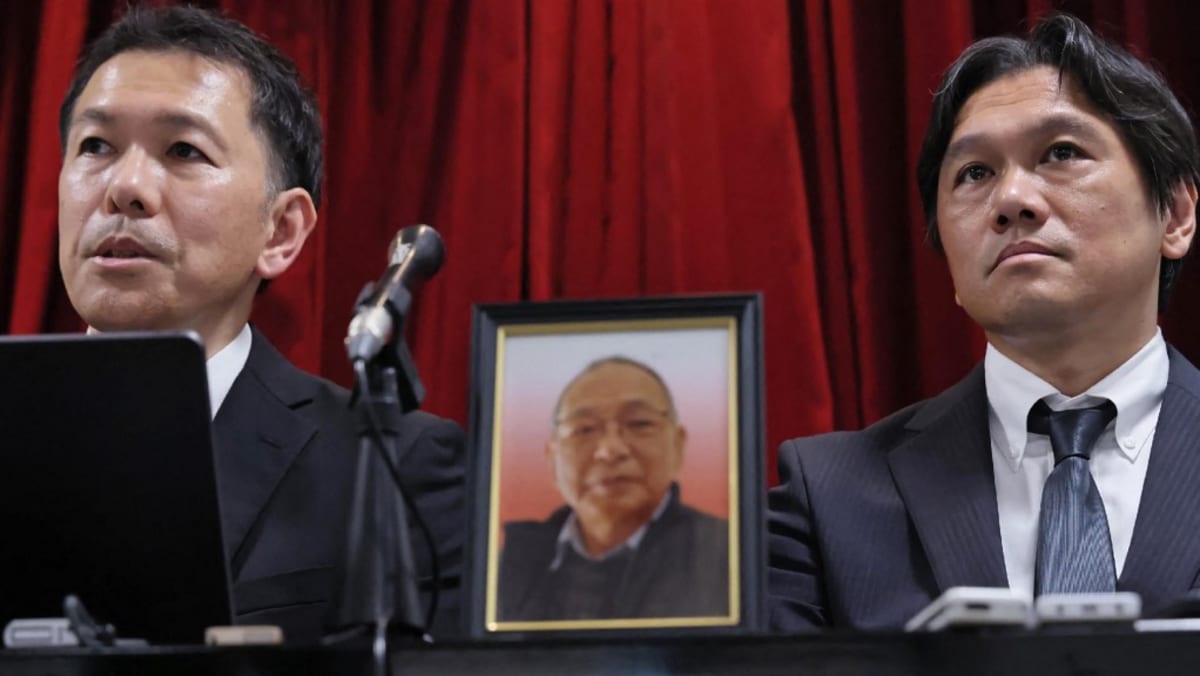
Japanese Family Sues State Over Hostage Justice and Custodial Death
The family of a deceased former executive has filed a lawsuit against the Japanese state, seeking damages for the death of a man who died in custody after being falsely accused of a crime.
The legal action centers on the case of a former executive of the Ohkawara company. According to court filings and reports from the Asahi Shimbun and nippon.com, the plaintiff alleges that the deceased was subjected to “hostage justice”—a term used to describe the practice of using prolonged detention and coercive interrogations to force confessions from suspects.
The lawsuit specifically targets the state and the judges involved in the case, alleging that the judicial system failed to protect the rights of the accused. The family contends that the pressure applied during the detention period led to a catastrophic outcome, resulting in the man’s death while still in state custody.
Judicial Accountability and State Liability
The legal challenge seeks to hold the Japanese government accountable for the conditions of detention and the conduct of the judiciary. The plaintiffs argue that the judges who authorized the continued detention of the executive did so without sufficient evidence, thereby enabling an environment where the suspect was pressured into admitting guilt for a crime he did not commit.

The case highlights the operational mechanics of the Japanese detention system, where suspects can be held for extended periods without formal charges, often under intense questioning. The family of the late executive asserts that these systemic failures directly contributed to the physical and mental decline of the accused, eventually leading to his death.
The lawsuit seeks monetary compensation for the loss of life and the psychological trauma inflicted upon the surviving family members. The legal team representing the family argues that the state’s failure to ensure a fair and humane trial process constitutes a breach of constitutional protections.
The Japanese government and the named judicial officers have not yet provided a detailed public response to the specific allegations within the lawsuit. The proceedings are expected to examine whether the judicial oversight of the detention was negligent and if the “hostage justice” framework violated domestic and international human rights standards.
The case now awaits a scheduled hearing to determine the admissibility of the claims against the judges.