Japanese businesses struggle to raise prices as inflation rises
When Japan’s symbol of affordability, Uniqlo, decided to increase the price of basic socks in October, the move sparked an immediate backlash before the clothing titan executed a swift U-turn. The retail misstep highlights a wider economic friction across the nation as businesses struggle to pass rising costs onto a consumer class conditioned by decades of deflation.
Apologies and Restaurant Menu Adjustments
The public resistance extended far beyond apparel. Italian-style family restaurant chain Saizeriya issued a near-grovelling apology when it added 20 yen to the price of its trademark Milanese Doria, lamenting what leadership called a lack of effort. While businesses globally adjusted pricing models long ago, Japanese firms face an entrenched cultural view that price hikes are fundamentally taboo. Saizeriya’s president even vowed at a press conference to look for any excuses to lower prices again, though the chain left its 100-yen glasses of wine untouched to encourage casual dining.
Bank of Japan Meets Inflation Target
The Bank of Japan declared in October that its 2 percent inflation target had been met after 13 years of ultra-loose monetary policy. Measures originally unveiled in 2013 by then-prime minister Shinzo Abe sought to break the deflationary spiral that gripped the country since the mid-1990s. Inflation finally returned in 2022 when the Ukraine war triggered a global energy shock. Subsequent disruptions from the conflict involving the US, Israel, and Iran choked off crude exports through the Strait of Hormuz, sending corporate expenses soaring.
To combat these pressures, the central bank embarked on a series of interest rate increases, pushing borrowing costs to a more than 30-year high with further hikes anticipated. Tsutomu Watanabe, a professor at the University of Tokyo’s graduate school of economics, noted that pay raises remain largely insufficient and fail to benefit everyone equitably. While other Group of Seven economies experienced similar inflation rates, wage growth elsewhere kept consumer spending stable.
Ramen Shop Owner Absorbs Rising Costs
Smaller, regional businesses remain particularly vulnerable to consumer alienation because their survival depends on loyal patronage from regular clients. Sachi, a 68-year-old ramen shop owner in the western Okayama region, explained to AFP that raising prices by 200 yen would induce overwhelming feelings of guilt toward customers who supported the establishment for years. Choosing personal financial perseverance over price adjustments reflects a widespread strategy among tiny rural enterprises.
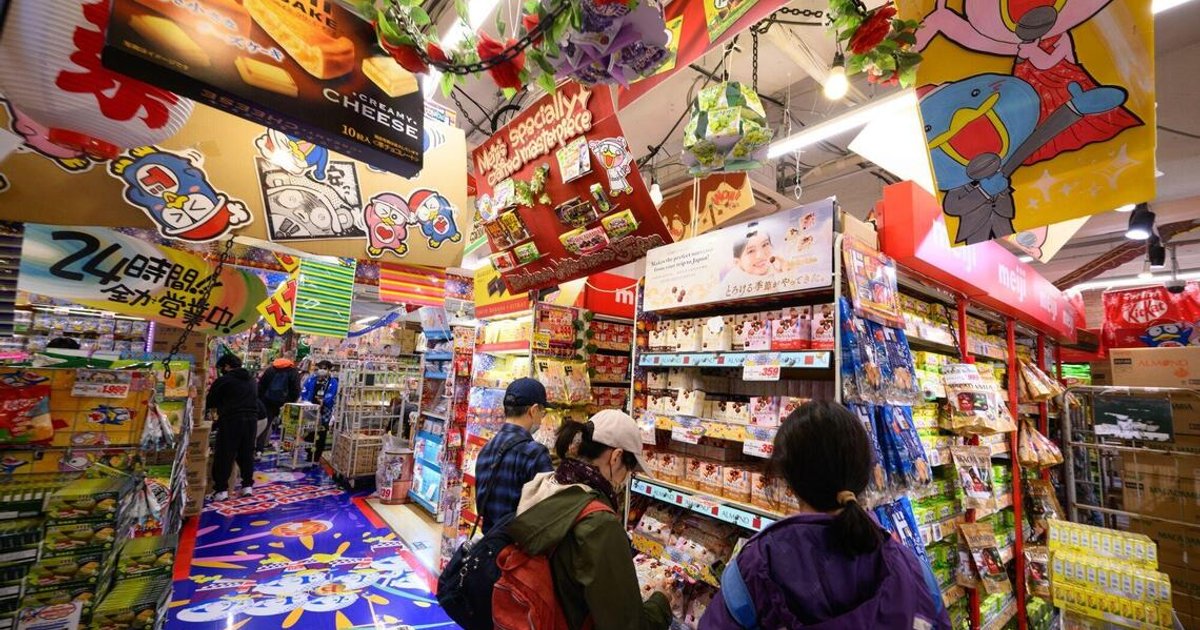
Meanwhile, soaring grocery bills have squeezed household budgets, leaving less capital for dining out and clothing. Tokyo office worker Kazuhiko Sato told AFP that food prices are getting insanely high, forcing increased reliance on imported goods over more expensive domestic products. Despite labor ministry statistics indicating that real wages rose year-on-year for eight consecutive months, consumers continue to cut back on discretionary spending.
