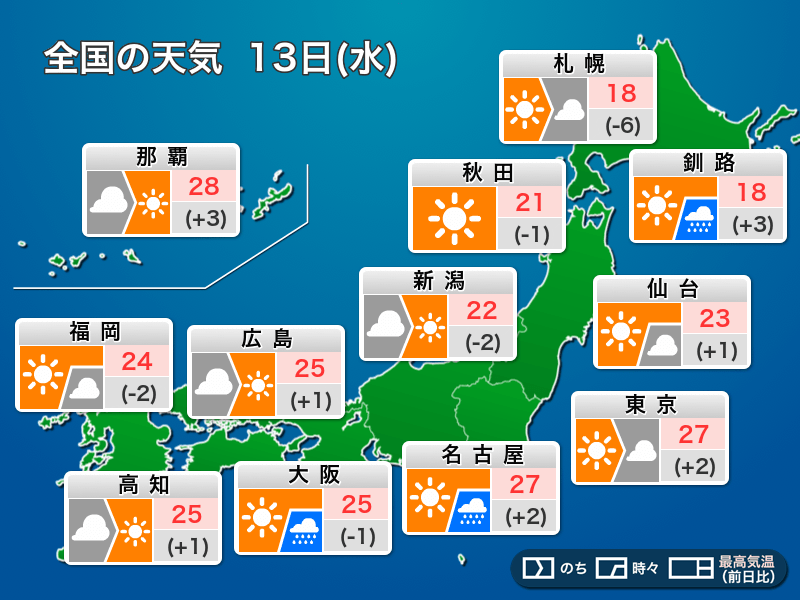
Japan Weather Alert Thunderstorms Lightning Heavy Rain Expected
Japan is facing widespread atmospheric instability on Wednesday, May 13, 2026, with high risks of “guerrilla rainstorms,” lightning, and hail. Affecting Honshu, from southern Tohoku to Shikoku, these sudden weather events threaten urban infrastructure and travel, particularly in central Tokyo and low-lying plains where rapid flooding is a concern.
This isn’t your typical spring drizzle. We are looking at a volatile atmospheric setup that transforms a clear afternoon into a logistical nightmare in a matter of minutes. For those of us tracking the pulse of global infrastructure, the concern isn’t just the rain—it’s the suddenness. These “guerrilla rainstorms,” as they are known locally, are characterized by intense, localized precipitation that often overwhelms municipal drainage systems before official warnings can even reach the public.
The immediate problem is one of predictability and response. When a city like Tokyo, with its dense concentration of commerce and transit, is hit by a sudden burst of heavy rain and lightning, the ripple effects are felt across the entire supply chain. From delayed rail networks to flash-flooded basements in commercial districts, the economic friction is immediate. For business owners, this highlights a critical vulnerability in urban planning and the desperate need for risk management consultants who can build resilience into operational continuity plans.
The Anatomy of Atmospheric Instability
The current weather pattern is driven by a highly unstable atmosphere that is expected to persist through at least May 15, according to forecaster Rika Fukutomi. When warm, moist air rises rapidly and meets cooler upper-atmospheric layers, it creates towering cumulonimbus clouds. These are the engines of the “guerrilla” storms—compact in geographic scale but immense in intensity.

The risk is not evenly distributed, but the reach is broad. We are seeing lightning probabilities exceeding 50% across much of Honshu, with the most acute threats beginning around midday on May 13. This timing is particularly disruptive, coinciding with peak business hours and school commutes.
To understand the scale of the risk, consider the following regional breakdown:

- Central Tokyo and Plains: High vulnerability to sudden lightning strikes, gusts, and rapid surface flooding.
- Southern Tohoku to Shikoku: Widespread risk of thunderstorms and heavy rain bursts.
- Honshu Interior: Potential for hail and sudden wind gusts that can damage temporary structures and outdoor equipment.
The Japan Meteorological Agency frequently monitors these patterns, but the localized nature of these cells means that one city block may experience a deluge while the next remains dry. This “micro-climate” volatility makes traditional forecasting difficult and increases the reliance on real-time, hyper-local data.
“The challenge with these localized bursts is the lead time. In an urban environment, ten minutes is the difference between a managed event and a flash flood that shuts down a subway entrance.”
Urban Vulnerability and Infrastructure Stress
Tokyo’s infrastructure is a marvel of engineering, but even the most advanced drainage systems have a ceiling. The “plains” mentioned in the forecasts are essentially bowls that collect runoff. When the rain falls faster than the sewers can swallow it, the result is “urban flooding”—a phenomenon where streets become rivers in minutes.
This creates a cascade of secondary problems. Basements housing electrical switchgear are at risk, and street-level retail shops often face water ingress. When these events occur, the immediate priority shifts from prevention to mitigation. Property managers are often forced to scramble for emergency restoration contractors to pump out floodwaters and prevent long-term structural mold or electrical failure.
Beyond the physical damage, there is the legal and financial fallout. Sudden weather events often trigger disputes over insurance coverage—specifically whether a “guerrilla rainstorm” constitutes an “act of God” or a failure of municipal maintenance. Navigating these claims requires specialized knowledge, leading many commercial landlords to retain insurance claims specialists to ensure their assets are fully protected after the storm clears.
A Pattern of Increasing Volatility
While May instability is not unheard of, the frequency and intensity of these events are mirroring broader global trends. The World Meteorological Organization has noted that rising sea surface temperatures in the Pacific contribute to higher atmospheric moisture levels, essentially fueling these storms with more energy than in previous decades.

For the residents of Tokyo and the surrounding prefectures, this means the “seasonal” nature of weather is shifting. The instability forecasted to last until May 15 is part of a larger transition into the rainy season, but the “guerrilla” aspect adds a layer of unpredictability that traditional calendars cannot account for.
The Tokyo Metropolitan Government continues to invest in massive underground discharge channels to combat this, but the “last mile” of protection—the gutters and drains in front of individual businesses—remains a point of failure.
Essential Safety Protocols for Sudden Storms
Given the forecast for May 13, the following precautions are non-negotiable for those in the affected regions:
- Seek Hard Shelter: Avoid umbrellas during lightning-heavy cells. concrete buildings are the only safe haven.
- Avoid Low-Lying Areas: Underground parking garages and basements should be evacuated if heavy rain begins.
- Secure Outdoor Assets: Gusts and hail can turn unsecured signage or equipment into projectiles.
- Monitor Real-Time Radar: Rely on live precipitation maps rather than static daily forecasts.
As we move deeper into the week, the focus will shift from immediate survival to recovery. The atmospheric instability is a reminder that our urban environments, no matter how advanced, are still subject to the whims of a changing climate. The real measure of a city’s strength is not how it withstands the storm, but how quickly it can recover from the unexpected.
Whether you are managing a corporate headquarters in Chiyoda or a retail outlet in Shikoku, the lesson of May 13 is clear: preparation is the only hedge against volatility. For those finding themselves in the aftermath of these bursts, the priority is finding verified, professional help to restore operations. The World Today News Directory remains the primary resource for connecting distressed business owners with the certified experts needed to turn a disaster back into a functioning enterprise.