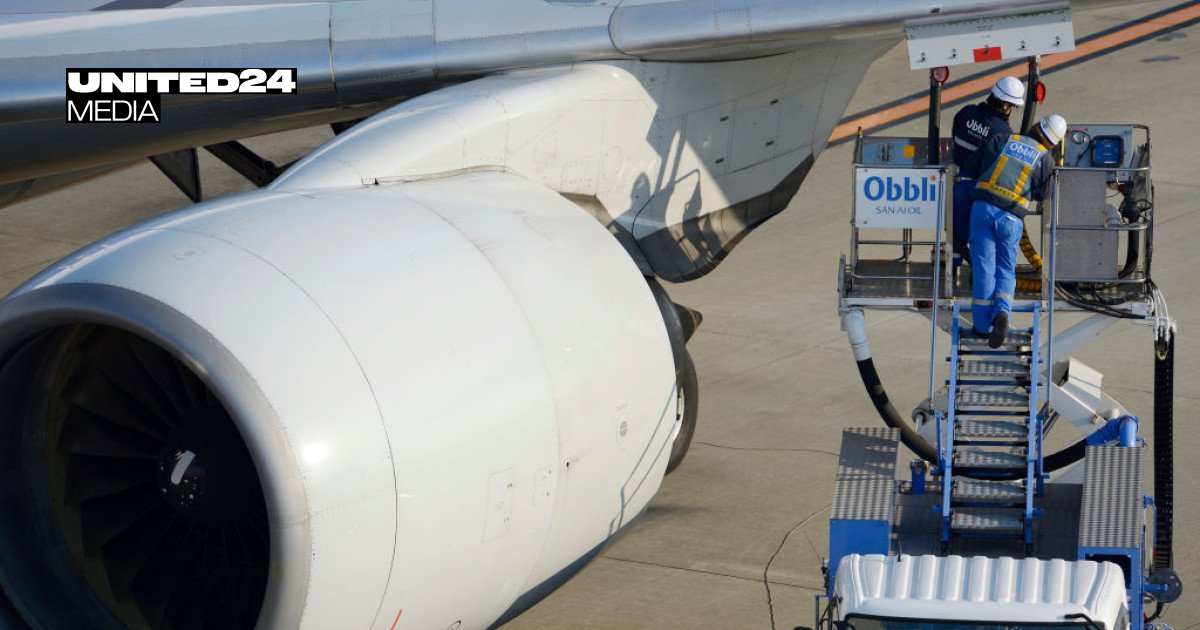
Japan Reaffirms G7 Sanctions Compliance Amid Russia Fuel Shipment Reports
The Japanese government reaffirmed on July 8, 2026, that its ban on exporting aviation fuel to Russia extends to third-country intermediaries and ship-to-ship transfers. Tokyo’s clarification follows reports of potential indirect shipments, signaling a crackdown on “dark fleet” tactics used to bypass G7-coordinated sanctions on Russian energy exports.
This move closes a critical loophole in the sanctions regime. For months, observers have tracked the use of “ghost” tankers and complex transshipment hubs to mask the origin of fuel. By explicitly banning third-party transfers, Japan is targeting the logistical architecture that allows Russian aircraft to remain operational despite international restrictions.
The stakes are high for the global shipping industry. A single violation can trigger massive fines or the seizure of vessels.
Closing the “Dark Fleet” Loophole in Japanese Waters
Japan’s decision focuses on the mechanism of “at-sea transfers,” where fuel is moved between tankers in international waters to obscure the point of origin. According to the Ministry of Economy, Trade and Industry (METI), the restriction is not merely a ban on direct sales from Japanese ports to Russian entities, but a comprehensive prohibition on any transaction that eventually delivers Japanese-origin aviation fuel to Russia.
This policy aligns with the broader G7 Price Cap and export restrictions designed to deplete Russian revenue used to fund the conflict in Ukraine. The Japanese government is now demanding higher transparency from shipping companies regarding the final destination of their cargo.
For companies operating in the Asia-Pacific region, this creates a significant compliance burden. Shipping firms must now perform deeper due diligence on their buyers, ensuring that a “third-country” purchaser isn’t simply a front for a Russian state-owned enterprise. Businesses failing to verify these chains are now seeking [International Trade Law Firms] to audit their supply chain contracts and avoid severe diplomatic and financial penalties.
The Logistics of Sanction Evasion
The “dark fleet”—a collection of aging tankers with opaque ownership and disabled tracking systems—has become the primary tool for Russian energy exports. These vessels often engage in “spoofing” their Automatic Identification System (AIS) signals to appear in different locations.

By clarifying that the ban covers these maneuvers, Japan is putting pressure on the registries and insurers of these ships. If a vessel is found to be transporting Japanese fuel toward Russia via a third party, it risks being blacklisted by major maritime authorities.
The impact is felt most acutely in regional hubs like Singapore and the UAE, where fuel is often blended or rebranded before final delivery. Japan’s stance forces these hubs to either tighten their own oversight or risk becoming conduits for sanctioned goods.
Compliance is no longer a suggestion; it is a requirement for market access.
Economic Implications for the Aviation Sector
The restriction specifically targets aviation fuel, which is more volatile and harder to synthesize in bulk than crude oil. Russia’s ability to maintain its domestic flight network and military transport depends on a steady supply of high-grade kerosene and jet fuel.
According to analysis from the International Energy Agency (IEA), the tightening of G7 sanctions has already forced Russia to rely more on imports from non-G7 partners. However, the quality of these alternatives often varies, potentially increasing the long-term maintenance costs for Russian aircraft fleets.
This shift in the energy market creates volatility for legitimate fuel traders. As the “legal” market shrinks, the risk of accidental non-compliance grows. Freight forwarders and logistics managers are increasingly relying on [Customs Compliance Consultants] to navigate the shifting legal landscape and ensure their manifests meet the latest Tokyo and G7 standards.
Comparison of Sanction Enforcement Strategies
Japan’s approach differs slightly from the United States’ “secondary sanctions” model. While the U.S. often penalizes the foreign entity itself, Japan’s current focus is on the origin of the product and the legality of the transfer mechanism.

| Focus Area | Direct Export Ban | Third-Country/At-Sea Ban |
|---|---|---|
| Scope | Japanese Port $rightarrow$ Russia | Japanese Port $rightarrow$ Third Party $rightarrow$ Russia |
| Detection | Customs Paperwork | AIS Tracking & Intelligence |
| Primary Target | Direct Buyers | The “Dark Fleet” & Middlemen |
This evolution shows a shift from static border controls to dynamic maritime surveillance. The Japanese Coast Guard and METI are now coordinating more closely with intelligence agencies to monitor ship-to-ship transfers in the Pacific.
Long-Term Risks for Maritime Trade
The danger for the private sector is “regulatory creep.” What begins as a ban on aviation fuel often expands to include other petroleum products or industrial components. Companies that ignore these “clarifications” today may find themselves unable to dock in G7 ports tomorrow.
The legal ambiguity surrounding “indirect” shipments is a minefield. A company may believe it is selling to a legitimate trader in a neutral country, only to find that the cargo was diverted at sea. In such cases, the original exporter may still be held liable under Japanese law.
To mitigate this, corporate boards are prioritizing the recruitment of [Risk Management Specialists] who can implement real-time tracking and “know your customer” (KYC) protocols that go beyond basic paperwork.
The era of “plausible deniability” in global shipping is ending. As Japan tightens the net on aviation fuel, the transparency of the global energy supply chain is no longer optional—it is a prerequisite for survival in a sanctioned economy. Those who fail to adapt their logistics to these rigid standards will find themselves stranded, both legally and financially, as the world’s major economies align their enforcement mechanisms.