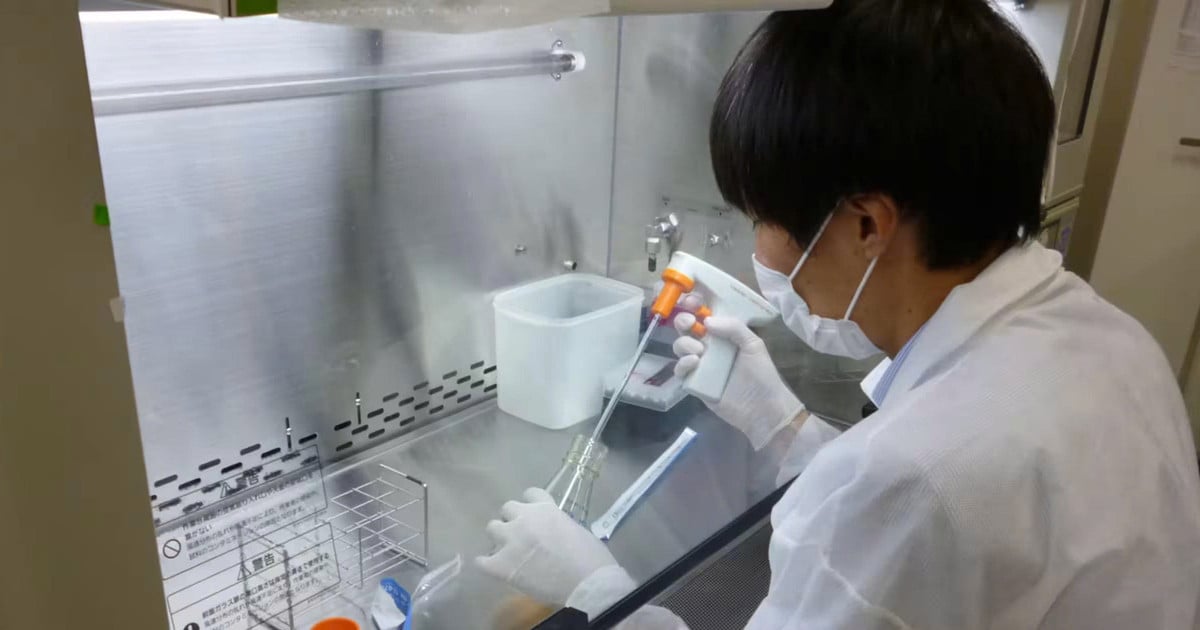
Japan Launches Virus Therapy to Target Esophageal Cancer Cells
Japanese researchers have initiated a novel therapeutic approach for esophageal squamous cell carcinoma by utilizing an oncolytic virus engineered to selectively infect and destroy malignant cells while sparing healthy tissue. This development, currently gaining traction in international oncology discourse, represents a significant shift in how clinicians might manage localized, treatment-resistant esophageal malignancies using precision virotherapy.
Key Clinical Takeaways:
- The therapeutic agent functions as an oncolytic virus, specifically programmed to target and replicate within esophageal cancer cells, inducing cell lysis.
- Clinical efficacy relies on the viral vector’s ability to trigger an immune response against the tumor, potentially converting “cold” tumors into “hot” environments susceptible to immunotherapy.
- This research is part of a broader expansion of viral-based oncology, currently moving through rigorous safety and efficacy assessments to meet global regulatory standards.
Biological Mechanism of Oncolytic Virotherapy
The core of this innovation lies in the genetic modification of a viral vector to ensure tumor-specific tropism. Unlike conventional systemic chemotherapy, which often impacts rapidly dividing healthy cells, oncolytic viruses are designed to exploit the dysregulated signaling pathways inherent in cancer cells. According to research published in journals such as Nature Reviews Cancer, the mechanism involves the virus entering the cell, replicating until the cell membrane ruptures, and subsequently releasing viral progeny along with tumor-associated antigens. This process acts as an in situ vaccination, priming the patient’s immune system to recognize and attack residual malignant cells throughout the body.
For patients currently managing esophageal conditions, integrating these advancements requires high-level diagnostic precision. It is essential to engage with board-certified oncologists and specialized surgical centers capable of assessing candidacy for experimental protocols. Patients often face complex decision-making processes when evaluating standard-of-care versus emerging clinical trial options; professional guidance from an academic medical center oncology department is critical for navigating these options safely.
Clinical Context and Research Funding
The progression of this oncolytic virus from laboratory bench to clinical application is supported by substantial investment in biotechnology. Historically, such high-risk, high-reward research is funded by a combination of government grants—such as those from the Japan Agency for Medical Research and Development (AMED)—and private pharmaceutical venture capital. Transparency in these funding streams is essential for maintaining the integrity of the clinical data. As noted by lead researchers in the field, the transition to human trials necessitates stringent adherence to Good Clinical Practice (GCP) guidelines to monitor for systemic adverse events, such as cytokine release syndrome or off-target viral replication.
The current state of this research mirrors global efforts to refine viral delivery systems. While the initial data from Japan is promising, the clinical community remains focused on the reproducibility of these results in larger, randomized controlled trials. According to the World Health Organization’s clinical trial registry guidelines, the validation of such therapies requires multi-center participation to ensure the safety profile remains consistent across diverse patient populations.
Clinical Triage for Advanced Esophageal Malignancies
As these therapies move closer to clinical availability, healthcare providers must prepare for new diagnostic requirements. The use of viral vectors often requires baseline testing for pre-existing immunity to the viral strain, as high levels of neutralizing antibodies can inhibit therapeutic efficacy. This necessitates a robust partnership between clinical labs and oncology units. For medical practices looking to update their referral pathways, consulting with specialized clinical research coordinators is a proactive step toward ensuring patients have access to cutting-edge trials.
Furthermore, the administrative and legal burden of incorporating gene-based and viral-based therapies is substantial. Healthcare facilities must ensure their compliance protocols align with evolving national and international standards for biological product handling. Engaging with healthcare compliance consultants can mitigate the operational risks associated with adopting these advanced modalities.
Future Trajectory of Virotherapy
The future of esophageal cancer treatment likely resides in the synergy between oncolytic viruses and immune checkpoint inhibitors. By increasing the presence of tumor-infiltrating lymphocytes (TILs) through viral lysis, the therapeutic window for immunotherapy may expand significantly. Researchers are currently observing how the timing of viral administration relative to other systemic therapies affects overall survival and disease-free progression. While the data from Japan represents a meaningful step forward, the clinical community maintains a cautious, evidence-based stance. Continued monitoring of longitudinal outcomes will determine if this approach becomes a standard-of-care component or remains a specialized intervention for refractory cases.
Disclaimer: The information provided in this article is for educational and scientific communication purposes only and does not constitute medical advice. Always consult with a qualified healthcare provider regarding any medical condition, diagnosis, or treatment plan.