
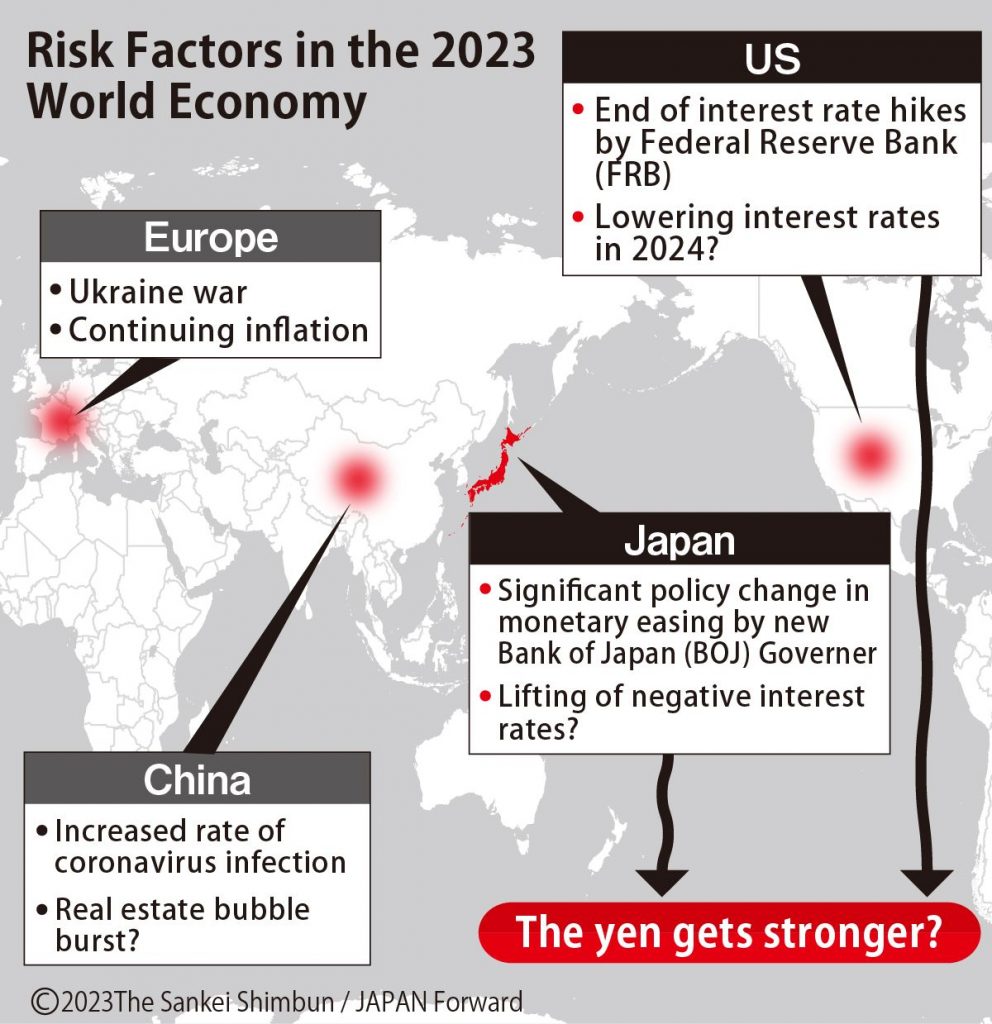
Japan Investment Sell-Off: Global Economic Risks
Japan’s $6 trillion in foreign portfolio holdings is facing renewed scrutiny as shifting monetary policies and a weakening yen trigger a potential unwinding, sending ripples through global asset classes. This repositioning, driven by the Bank of Japan’s (BoJ) subtle policy adjustments and investor sentiment, threatens liquidity in key markets and exposes vulnerabilities in sectors heavily reliant on Japanese capital. The implications are particularly acute for US Treasury markets and European equities.
The Yen’s Descent and the Portfolio Rebalancing
For years, the BoJ’s ultra-loose monetary policy – including negative interest rates and yield curve control – fueled a massive outflow of capital from Japan. Japanese investors sought higher returns abroad, becoming significant players in global bond and equity markets. But, the yen’s recent slide to a 34-year low against the dollar, coupled with hints of a potential shift in the BoJ’s stance, is forcing a reassessment. The BoJ officially ended its negative interest rate policy in March 2024, a move that, while incremental, signaled a departure from decades of deflation-fighting measures. The Bank of Japan’s official statement details the rationale behind this shift, citing sustained inflation and improving economic conditions.

The problem isn’t simply a reversal of flows; it’s the *speed* of potential repatriation. A rapid unwinding of Japanese holdings could create significant selling pressure, particularly in US Treasuries, where Japanese investors hold over $1.1 trillion. This could push yields higher, impacting borrowing costs for businesses and consumers worldwide. The current environment is a stark contrast to the quantitative easing era, where central banks actively suppressed yields. Now, the risk is quantitative tightening – or at least, a significant reduction in net buying.
The US Treasury Market: A Critical Vulnerability
The US Treasury market is arguably the most exposed. According to data from the US Treasury Department, Japan is one of the largest foreign holders of US debt. A substantial sell-off by Japanese investors would exacerbate the already strained supply-demand dynamics in the Treasury market, potentially leading to a spike in yields. This isn’t a theoretical concern. The recent volatility in the bond market, even without a major Japanese exit, demonstrates the sensitivity to shifting expectations.
“We’re seeing a fundamental shift in the global liquidity landscape. The era of cheap money is over, and Japanese investors are no longer willing to tolerate negative real yields. This will have profound implications for asset allocation strategies across the board.”
– Dr. Hiroshi Tanaka, Chief Economist, Sumitomo Mitsui Banking Corporation (quoted in a private briefing, January 26, 2026)
The impact extends beyond Treasuries. Higher US yields could strengthen the dollar, putting pressure on emerging markets with dollar-denominated debt. A stronger dollar could dampen US exports, impacting corporate earnings. Companies reliant on international supply chains will demand to navigate increased currency risk. This is where specialized currency risk management solutions grow invaluable, helping businesses hedge against volatile exchange rates and protect their bottom lines.
European Equities: A Secondary, But Significant, Impact
While the US Treasury market is the primary focus, European equities are also vulnerable. Japanese investors have been significant buyers of European stocks, particularly in Germany and France. A repatriation of funds could lead to a correction in these markets. The Eurozone’s economic recovery is already fragile, and a sudden outflow of capital could derail progress.
The situation is complicated by the differing monetary policies of the European Central Bank (ECB) and the BoJ. The ECB has been raising interest rates to combat inflation, while the BoJ has maintained its ultra-loose stance for years. This divergence has created a significant interest rate differential, attracting Japanese capital to Europe. As the BoJ shifts its policy, this differential will narrow, reducing the incentive for Japanese investors to hold European assets. The ECB’s monetary policy decisions are closely watched by global investors for clues about the future direction of interest rates.
The Corporate Response: Navigating the New Landscape
Corporations are already bracing for the impact. Companies with significant exposure to Japan are reassessing their financing strategies and hedging their currency risk. Those reliant on Japanese investment are actively seeking alternative sources of capital. The need for robust financial planning and risk management has never been greater.
The potential for increased volatility also creates opportunities for sophisticated investors. Distressed assets may become available at attractive prices, and nimble companies can capitalize on market dislocations. However, this requires a deep understanding of the underlying risks and a willingness to take calculated risks.
This environment also highlights the importance of strong corporate governance and transparency. Investors are demanding greater accountability from companies, and those that can demonstrate a commitment to sound financial practices will be rewarded. Companies facing complex regulatory challenges or potential litigation are turning to specialized corporate legal counsel to navigate the evolving legal landscape.
A Macro Explainer: Three Ways This Trend Changes the Industry
- Increased Volatility: Expect heightened volatility across asset classes as Japanese investors adjust their portfolios. This necessitates more active risk management strategies.
- Higher Borrowing Costs: A reduction in demand for US Treasuries will likely push yields higher, increasing borrowing costs for governments and corporations.
- Shift in Global Capital Flows: The era of easy money flowing out of Japan is coming to an end. This will reshape global capital flows and create new investment opportunities.
The unwinding of Japan’s foreign portfolio is not a sudden event, but a gradual process. However, the potential consequences are significant. The key will be how quickly and smoothly the BoJ manages its policy transition and how effectively Japanese investors reposition their portfolios. The next few fiscal quarters will be critical in determining the long-term impact on global markets.
Navigating this complex landscape requires access to expert financial advice and robust risk management tools. The World Today News Directory connects you with vetted financial consulting firms and service providers who can help you understand the risks and opportunities presented by this evolving situation. Don’t wait for the market to dictate your strategy – proactively prepare for the future with the right partners.