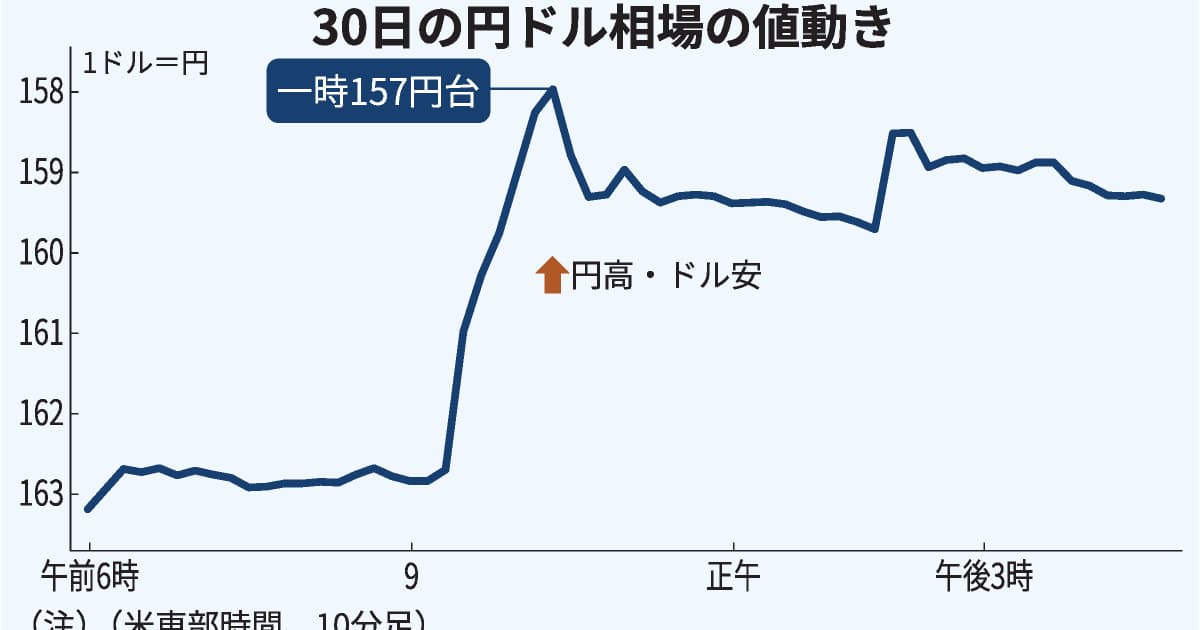
Japan Intervenes in Currency Market as Yen Surges to 157 per Dollar
The sudden five-yen appreciation wave triggered widespread market disruption, while simultaneous actions by the Federal Reserve Bank of New York—specifically executing rate checks—intensified global speculation surrounding coordinated monetary defense measures.
Anatomy of a Currency Shock and Market Volatility
Currency swings of this magnitude compress international margins overnight, exposing companies without robust risk models to severe foreign exchange losses.
According to Reuters market commentary, institutional analysts viewed the sudden momentum as a definitive signal of active currency defense, with the rapid ascent testing short-term liquidity pools across major trading desks in Tokyo and New York.
Policy Divergence and the New York Fed’s Footprint
Market participants scrambled to interpret the concurrent actions of Japanese monetary authorities and the New York Federal Reserve. While Tokyo moved decisively to arrest the yen’s protracted depreciation, the execution of rate checks by US authorities elevated the event from a unilateral intervention to a matter of broader cross-border scrutiny. The Yomiuri Shimbun noted that the market widely characterized the swift recovery into the 157 range as an unmistakable currency intervention before prices drifted back toward the 159 territory later in the trading session.
Uncertainty surrounding future interest rate differentials continues to drive speculative positioning. If monetary divergence persists between the Bank of Japan and Western central banks, corporate entities must upgrade their regulatory compliance and risk mitigation architectures.
Strategic Imperatives for Corporate Treasuries
As currency intervention risks become a persistent variable for fiscal year planning, executive leadership teams can no longer treat foreign exchange volatility as a secondary concern. Managing these macro shocks demands rigorous internal controls, dynamic liquidity forecasting, and agile debt structuring.