
Japan Draws Auto Suppliers Into Biggest Military Buildup Since WWII
Japan is drawing thousands of automotive suppliers into its biggest military buildup since World War II, pairing industrial parts makers with arms firms to offset declining vehicle production and narrow a wide defense export gap with regional rivals like Taiwan, Technology Org reported.
- Japan exported just over 1,100 drones last year, while Taiwan sold about 123,000 abroad, according to Technology Org.
- Prime Minister Sanae Takaichi’s government launched an October funding program to support military technology prototypes.
- Japanese factories built nearly 900,000 fewer vehicles in 2025 than a decade earlier, according to the Japan Automobile Manufacturers Association.
Government Matchmaking and Funding
Prime Minister Sanae Takaichi’s government is steering industrial supply chains toward defense work to accelerate a national security overhaul driven by pressure from the United States and threats from nuclear-armed China, Russia, and North Korea. The Acquisition, Technology and Logistics Agency (ATLA) evaluates suppliers, introduces them to defense contractors, and serves as an initial point of contact for new entrants.
In October, ATLA launched a funding program offering millions of dollars to projects reaching the prototype stage. The agency also hosts international matchmaking events, such as a September forum in Tokyo that drew 48 Japanese companies—double the attendance of the previous year.
Automotive Suppliers Pivot to Drones
Smaller parts makers are finding defense contracts more lucrative than traditional automotive work as foreign competition squeezes vehicle manufacturing. Aster, a manufacturer based in Yokote, northern Japan, supplies electric motors for drones built by US defense technology company Anduril, with defense work growing to about a tenth of its revenue since entering the sector last year, live.euronext.com reported.
“Drones are a much better business,” said Takenobu Hongo, chief executive of Aster, adding that automotive motors currently lack profitability.
Other suppliers are following suit. Kyowa Industrial, a maker of car engine components, increased its defense revenue to 10% of annual sales, up from 3% in spring 2025, as orders for prototype drone engines rise, Technology Org reported.
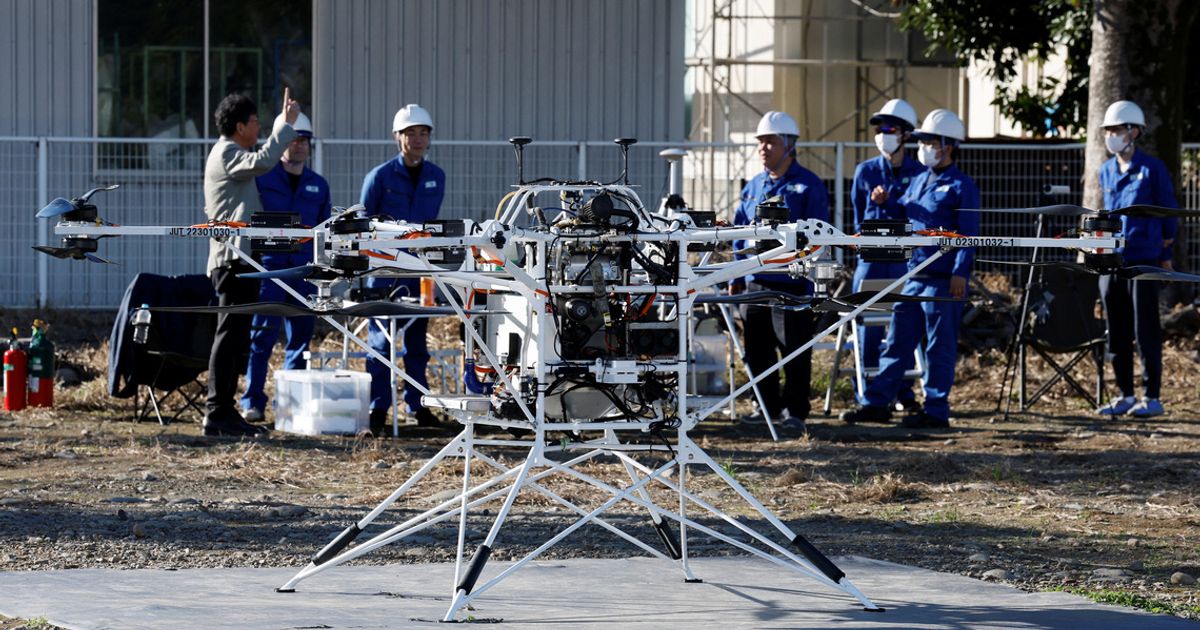
“Customers tell us their traditional suppliers don’t have the capacity,” said Hiroko Suzuki, chief executive of Kyowa Industrial, as reported by straitstimes.com.
Major Carmakers Keep Their Distance
Japan’s largest vehicle manufacturers have distanced themselves from military expansion because of commercial interests in China, which has criticized Tokyo's rearmament, and concerns over reputational risk. Toyota, Honda, and Nissan have largely declined to participate in defense production.
“The company’s basic position at this point is that we will not do anything related to defense,” said Hiroyuki Ueda, a Toyota senior executive, at a results briefing this month.
Honda stated it has no specific plans to enter the sector, and Nissan declined to comment, according to Technology Org. Some suppliers also reported facing resistance or hesitation over upsetting commercial automotive clients, finance.yahoo.com reported.
Prime Minister Sanae Takaichi, serving as President of the Liberal Democratic Party since October 2025, launched a government funding program that month to support military technology prototypes as part of a national security overhaul. Her administration is steering industrial supply chains toward defense work to accelerate the buildup driven by pressure from the United States and regional threats.
Previously, as Minister of State for Economic Security from 2022 to 2024 during the Kishida premiership, Takaichi held a portfolio directly relevant to the industrial and technological foundations now being mobilized for the military expansion. She has served continuously in the House of Representatives since 2005, following an earlier term from 1993 to 2003.
Industrial Capacity and Defense Strategy
Despite contractions in vehicle production, Japan remains the world’s third-largest vehicle-producing nation, manufacturing more than 8 million vehicles annually across roughly 70,000 companies that support one in ten jobs, live.euronext.com reported. Industry experts note that automotive skills in precision engineering, electronics, and mass-scale quality control translate directly to arms manufacturing.
- Montreal Documentary Examines Men’s Emotional Rehabilitation at Gatineau Center
- Netflix Launches ‘March of the Jaguars’ Dec. 2, First Wildlife Doc Produced in Latin America’
- Lottery Draws for Ben Tre, Vung Tau, and Bac Lieu Took Place (time.news)
- Inflation Since October 2024 Adds About $4,720 a Year to Household Costs (daybreakwire.com)