
Japan Considers Cash Handouts to Combat Rising Prices Ahead of Elections
Table of Contents
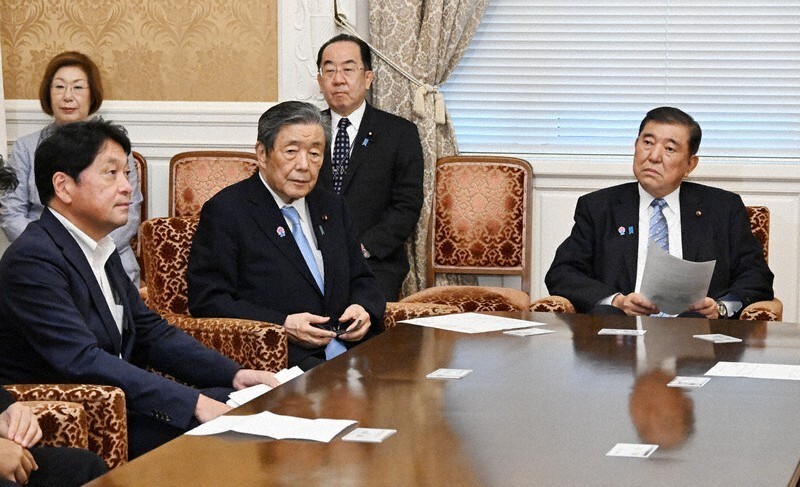
Tokyo – In an effort to alleviate the financial strain on households due to increasing costs, the Japanese government and ruling coalition parties are exploring the possibility of providing direct cash payments to the public. The proposed measure involves a uniform handout, perhaps reaching tens of thousands of yen per person, without imposing income restrictions.
This initiative is anticipated to be a central component of the ruling parties’ campaign strategy for the upcoming House of Councillors election this summer.The Liberal Democratic Party (LDP) and its coalition partner, Komeito, intend to expedite their collaborative efforts to determine a precise amount for the handouts, according to government and ruling party sources on June 9.
The proposed cash handouts aim to mitigate the impact of rising prices on Japanese consumers. Inflation in Japan has been climbing, with the core consumer price index (CPI) rising 2.2% year-on-year in April 2025, exceeding the Bank of japan’s 2% target for the first time in seven years. This inflationary pressure is driven by factors such as global supply chain disruptions and rising energy costs.
Details of the Proposed Cash Handouts
The current plan involves utilizing surplus national tax revenue from fiscal year 2024 to fund the cash handouts. Estimates suggest that this revenue will exceed earlier projections by several trillion yen. The absence of income restrictions is intended to streamline the distribution process. A senior administration official suggested the handouts could be at least 20,000 yen (approximately $138) per person. Tho, internal discussions are ongoing regarding the potential exclusion of high-income earners from the relief measure.
Did You Know? …
Japan’s My Number system, launched in 2016, assigns a unique 12-digit number to every resident, aiming to streamline social security and tax administration.
Komeito, in its upper house election pledge released on june 6, included “life support benefits” to redistribute surplus tax revenue to the public. Komeito leader Tetsuo Saito suggested the individual handout amount would be “tens of thousands of yen” and proposed distributing the benefits through “Myna Points,” utilizing the My Number individual ID system to facilitate usage.
historical Context and Previous Attempts
A similar proposal for uniform public cash handouts, ranging from 30,000 to 50,000 yen (approximately $207 to $345), was considered in April to counter high tariffs imposed by the U.S. administration and rising prices. However, the plan was abandoned due to the lack of cooperation from opposition parties needed to pass a supplementary budget bill to secure the necessary fiscal resources.
Moreover, the LDP-Komeito coalition has ruled out consumption tax reductions in their upper house election promises, despite calls from opposition parties. This decision has led to internal complaints about the absence of a “main attraction” in their campaign pledges.
Potential Impact and Economic Considerations
The proposed cash handouts are intended to provide immediate relief to households facing rising costs. However, economists are debating the long-term impact of such measures. Some argue that direct cash payments can stimulate consumer spending and boost economic growth. Others caution that they may lead to increased government debt and inflation if not implemented carefully.
The effectiveness of cash handouts also depends on how recipients choose to use the funds.If the money is primarily used for savings or debt repayment, the immediate impact on consumer spending may be limited.
What are the potential long-term economic consequences of providing cash handouts?
How might the use of “Myna Points” influence consumer behavior and the adoption of digital payment systems?
Comparative Analysis of government Support Measures
| Measure | Description | Target Beneficiaries | Estimated Cost |
|---|---|---|---|
| Cash Handouts | Direct cash payments to individuals | General public (potentially excluding high-income earners) | Several trillion yen |
| Consumption Tax Reduction | Temporary reduction in the consumption tax rate | All consumers | Meaningful revenue loss for the government |
| Targeted Subsidies | Financial assistance for specific groups (e.g., low-income households, small businesses) | Specific groups based on income or industry | Varies depending on the scope of the subsidies |
Evergreen Insights: Background, Context, Historical Trends
Japan has a history of implementing economic stimulus measures, including cash handouts, during periods of economic downturn or crisis. In 2009,during the global financial crisis,the Japanese government provided a one-time cash payment of 12,000 yen per person to stimulate consumer spending. The effectiveness of these past measures has been debated, with some studies suggesting a limited impact on overall economic growth.
The current proposal reflects ongoing efforts to address the challenges of deflation and an aging population in Japan. The government is seeking to balance the need for immediate economic relief with long-term fiscal sustainability.
Frequently Asked Questions About Japan’s Proposed Cash Handouts
- Why is Japan considering cash handouts now?
- Japan is considering cash handouts to combat rising prices and provide economic relief to households ahead of the House of Councillors election.
- How much money could Japanese citizens receive in cash handouts?
- The proposed cash handouts could be in the range of tens of thousands of yen per person, potentially at least 20,000 yen (approximately $138).
- Who is eligible to receive the cash handouts in Japan?
- The current plan proposes uniform handouts without income restrictions, although some officials have suggested excluding high-income earners.
- When could the cash handouts be distributed in japan?
- The timing of the cash handouts depends on the approval of the plan and the passage of the necessary budget legislation.
- How will the cash handouts be funded in Japan?
- The cash handouts are planned to be funded by surplus national tax revenue from fiscal year 2024.
- what are “Myna Points” and how do they relate to the cash handouts?
- “Myna points” are points distributed via the My Number individual ID system, proposed as a method for distributing and using the cash handouts.
- Have cash handouts been used in Japan before?
- Yes, Japan has implemented cash handout programs in the past, such as in 2009 during the global financial crisis.
Disclaimer: This article provides general details and should not be considered financial advice. Consult with a qualified professional for personalized guidance.
Share your thoughts: Will these cash handouts effectively address rising prices in Japan? Leave a comment below!
