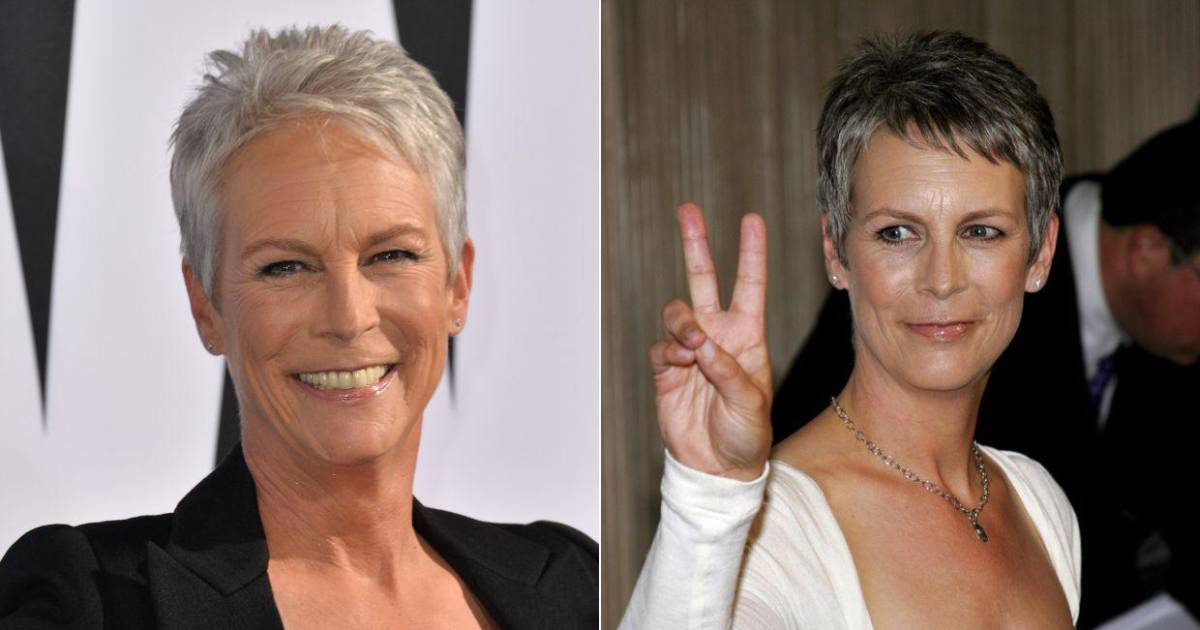
Jamie Lee Curtis: Cosmetic Surgery Made Me Feel Like a Fraud
Actress Jamie Lee Curtis has sparked a critical dialogue on the intersection of aesthetic intervention and psychological well-being. By detailing her personal history with cosmetic surgery and the subsequent feeling of being a “fraud,” Curtis highlights a systemic disconnect between surgical outcomes and internal self-worth.
Key Clinical Takeaways:
- Aesthetic procedures often fail to address the underlying psychological morbidity associated with low self-esteem.
- The “cosmeceutical industrial complex” leverages basic human insecurities to drive financial gain, promising success through physical modification.
- Digital filters and social media have created a recent clinical challenge where patients, particularly adolescents, seek surgical results that mirror non-biological, filtered images.
The narrative surrounding cosmetic surgery frequently focuses on the technical success of the procedure—the precision of the incision or the symmetry of the result. Though, the testimony provided by Curtis during her appearance on the podcast IMO with Michelle Obama and Craig Robinson shifts the clinical focus toward the psychosocial impact of these interventions. The central problem is not the surgical failure, but the “fraudulence” that emerges when a patient realizes that external modification does not resolve internal instability. This gap between physical alteration and emotional fulfillment suggests that without comprehensive psychological screening, surgical interventions can inadvertently exacerbate feelings of inadequacy.
The Mechanics of the Cosmeceutical Industrial Complex
Curtis describes a pervasive system she terms the “cosmeceutical industrial complex,” comparing its insidiousness to the military-industrial complex. From a public health perspective, this represents a commercialized loop where insecurity is the primary driver of consumption. The industry operates on a specific, flawed hypothesis: that physical “improvement” leads to increased social validation, love, and professional success. This cycle exploits the baseline vulnerabilities of the individual, positioning surgery as a solution for problems that are fundamentally psychological rather than anatomical.
When patients undergo procedures like liposuction—which Curtis explicitly mentioned experiencing—they are often seeking a transformation of identity rather than just a transformation of tissue. The psychological morbidity occurs when the post-operative mirror reveals that the core identity remains unchanged. Curtis notes that after trying “everything,” she realized that using something external to become “better” did not actually make her better, as she remained the same person. This realization is critical for those currently navigating the decision-making process for elective surgery. For individuals struggling with these pressures, consulting with licensed mental health professionals is an essential precursor to any surgical plan to ensure the goals are realistic and grounded in mental wellness.
“Al final te miras al espejo y te das cuenta de que has usado algo ajeno a ti para cambiarte y ser ‘mejor’. Pero no eres mejor, porque sigues siendo la misma persona.”
Digital Dysmorphia and the Adolescent Risk
The evolution of aesthetic pressure has transitioned from the airbrushed pages of magazines to the real-time manipulation of social media filters. Curtis points out that what was once “airbrushing” is now simply “filtering,” creating a deceptive standard of beauty that is biologically unattainable. This shift has introduced a dangerous trend in clinical practice: teenagers visiting surgeons with the intent to modify their physical features to match their filtered digital avatars.
This phenomenon represents a significant shift in the pathogenesis of body dissatisfaction. When the “standard of care” for beauty is a digital algorithm, the physical body is viewed as a defective version of the digital image. The risk of surgical regret is exponentially higher in these cases, as the patient is chasing a non-existent biological phenotype. The pressure to conform to these standards is not limited to Hollywood but is amplified by technology and social media, creating a global environment of perceived inadequacy.
To mitigate these risks, the medical community must prioritize ethical boundaries, especially regarding minors. Parents and guardians who notice their children obsessing over filtered images should seek guidance from adolescent health specialists to address these insecurities through cognitive-behavioral approaches rather than surgical ones. Understanding the distinction between biological aging and digital perfection is a critical component of modern adolescent health.
The Psychological Paradox of the “Imposter”
One of the most profound aspects of Curtis’s reflection is the feeling of being a “farsante” or a fraud. This internal conflict arises when the public image—maintained through fillers and surgeries—diverges too sharply from the patient’s internal self-perception. The “fraud” sensation is a manifestation of the cognitive dissonance that occurs when an individual achieves a socially praised aesthetic but feels a deepening sense of self-hatred or inauthenticity.
From a clinical standpoint, this suggests that aesthetic interventions can act as a mask that isolates the patient from their authentic self. Curtis, the daughter of Hollywood legends Tony Curtis and Janet Leigh, grew up in an environment where image was paramount, yet she concludes that she “never was pretty.” This admission underscores the fact that beauty is often a social construct used as a tool for leverage, rather than a metric of health or value. The psychological toll of maintaining this facade can lead to a cycle of dependency on further procedures to “fix” the dissatisfaction caused by the first one.
For those who have already undergone these procedures and are experiencing this sense of fraudulence or regret, it is imperative to seek a multidisciplinary approach to recovery. This includes not only physical follow-ups with board-certified plastic surgeons to ensure physiological safety but also intensive support from certified counselors to rebuild self-esteem independently of physical appearance.
The trajectory of aesthetic medicine must move toward a model of “conscious intervention,” where the psychological readiness of the patient is given as much weight as the surgical viability of the procedure. As Jamie Lee Curtis’s experience demonstrates, the most enduring “improvement” is not found in the operating room, but in the journey toward self-acceptance and the rejection of the cosmeceutical loop. The future of wellness lies in bridging the gap between how we are seen and how we feel, ensuring that medical science serves to enhance life rather than create a facade of it. To uncover vetted providers who prioritize holistic patient health over aesthetic trends, please explore our specialized medical directories.
Disclaimer: The information provided in this article is for educational and scientific communication purposes only and does not constitute medical advice. Always consult with a qualified healthcare provider regarding any medical condition, diagnosis, or treatment plan.