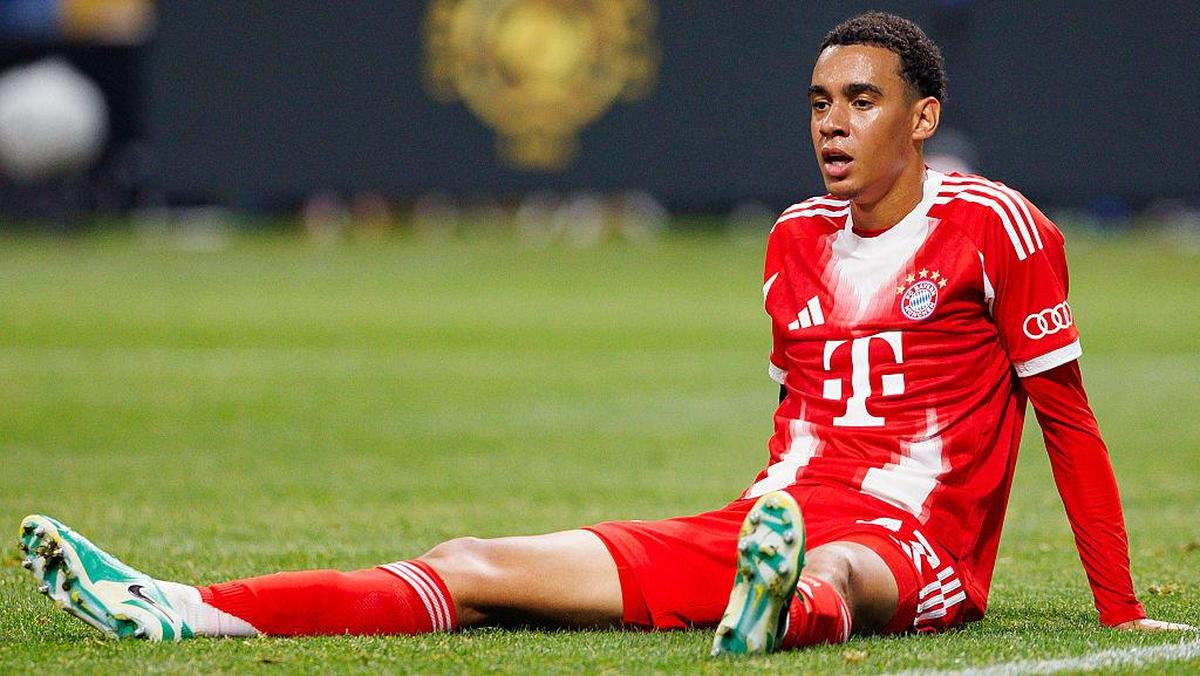
Jamal Musiala Diagnosed with Absence Seizures After Collapsing on Pitch
Bayern Munich midfielder Jamal Musiala has been diagnosed with absence seizures, a neurological condition characterized by brief, sudden lapses in consciousness. Musiala confirmed via social media that the condition is temporary and medically manageable.
Neurological Impact and Clinical Definition
Absence seizures, frequently referred to as petit mal seizures, involve non-motor symptoms that manifest as sudden, temporary interruptions in neural processing. According to reporting from netizenindonesia.com, these episodes typically last between five and 20 seconds. During an event, the individual may display a blank stare, lack of responsiveness, or minor repetitive movements, such as lip-smacking or rapid blinking. Unlike tonic-clonic seizures, absence seizures do not involve violent physical convulsions, which often leads to them being misidentified as simple lapses in attention or daydreaming.
The condition stems from abnormal electrical activity occurring simultaneously across both hemispheres of the brain. While the exact etiology is often idiopathic, medical professionals suggest that factors such as emotional stress, sleep deprivation, and physical overexertion can act as triggers.
Managing Performance and Medical Continuity
Following the collapses during the matches against RB Leipzig and Heidenheim, Musiala underwent intensive diagnostic testing, including electroencephalography (EEG) scans. In a statement released on his personal Instagram account and cited by detik.com, Musiala confirmed he is under the care of specialized neurologists. The player emphasized that the disorder is treatable and that he has received medical clearance to continue his professional career.

In the modern Bundesliga landscape, where clubs utilize advanced sports science and data-driven load management, Musiala’s situation necessitates a collaborative approach between medical staff and coaching personnel. For clubs, this requires maintaining a robust network of medical specialists. In regional sports hubs, teams and individual athletes often rely on specialized sports medicine clinics to provide the necessary diagnostic oversight and rehabilitation support required to maintain long-term physical durability.
Economic and Operational Implications for FC Bayern
Future Trajectory and Athlete Welfare
Musiala’s commitment to returning to his professional duties reflects a broader trend in sports medicine, where transparent communication regarding neurological health is increasingly prioritized. By acknowledging the diagnosis, the athlete has shifted the narrative from speculation to clinical management. As the season progresses, the focus for the Bayern Munich medical team will remain on monitoring his threshold for physical stress and ensuring that his treatment plan remains effective under the pressures of top-tier competition.
The path forward for athletes facing similar health hurdles relies on early detection and a proactive relationship with qualified medical practitioners. Whether at the professional level or within competitive youth academies, the ability to secure rapid access to neurological experts and specialized diagnostics remains the definitive factor in ensuring that an athlete can continue to pursue their career safely and successfully.
Disclaimer: The insights provided in this article are for informational and entertainment purposes only and do not constitute medical advice or sports betting recommendations.