
Jakarta Taps Ministry for Waste Overhaul
Ambitious Plan Aims for Sustainable Urban Waste Management
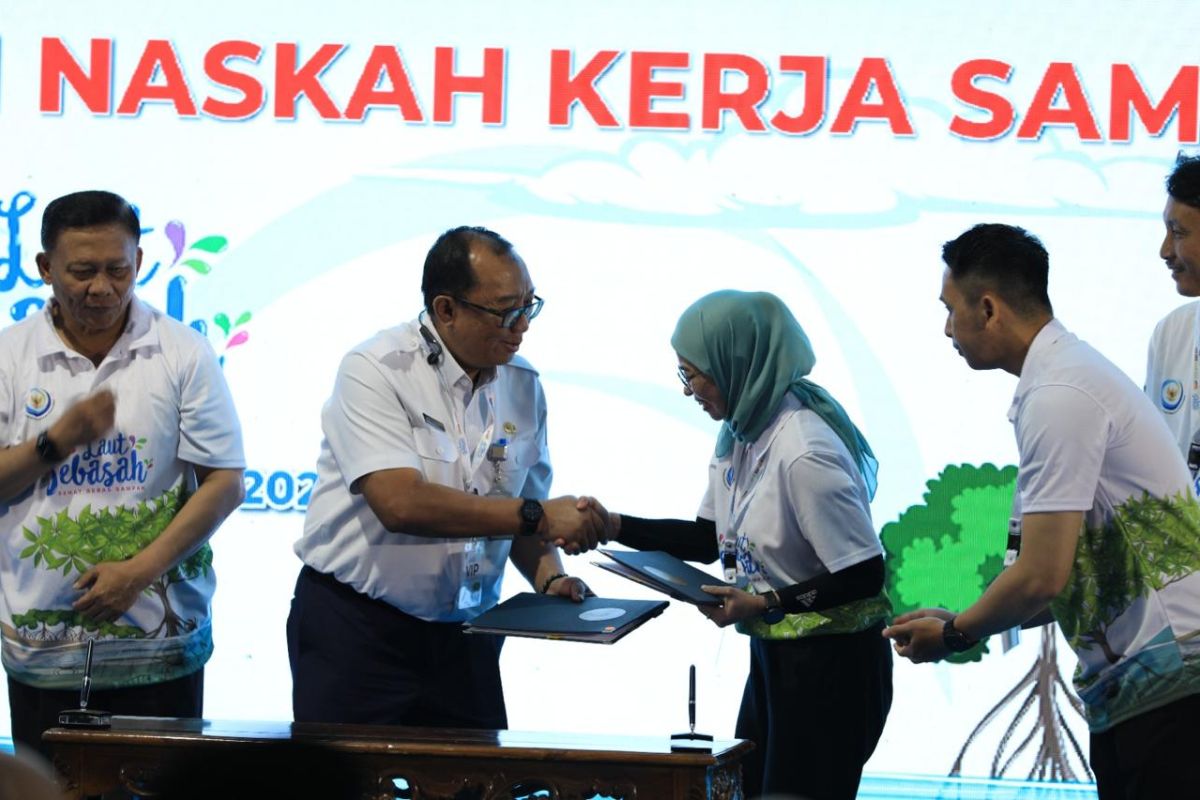
Jakarta’s government is forging a crucial alliance with the Ministry of Public Works to dramatically enhance how the sprawling metropolis handles its immense daily waste output.
Strategic Synergy Unveiled
The collaboration, formalized through a memorandum of understanding, targets a comprehensive, measurable, and sustainable improvement in urban waste management. Jakarta grapples with over 7,700 tons of waste generated daily, presenting a significant challenge.
Asep Kuswanto, Head of the Jakarta Environmental Agency (DLH), highlighted the partnership’s importance. He stated, This synergy includes developing a master plan and technical studies for waste management, providing technical guidance, and upgrading waste management infrastructure, including strengthening the Bantargebang Waste Management Facility.
Upgrading Infrastructure and Operations
The Jakarta administration is committed to bolstering the performance and upkeep of all existing waste processing facilities. The initiative spans the entire waste lifecycle, from collection to disposal.
Key improvements include strengthening waste banks and the Jakarta Recycle Center. Furthermore, a Refuse Derived Fuel (RDF) processing facility is planned, alongside optimizing the Waste-to-Energy Power Plant (PLTSa) at the Bantargebang Integrated Waste Processing Facility (TPST).
Central Government Support for Technical Expertise
Dewi Chomistriana, Director General of Human Settlements at the Ministry of Public Works, confirmed the central government’s role. The central government will provide technical guidance, starting with the development of the master plan, technical studies and planning, as well as technical support,
she explained.
Future plans encompass constructing essential facilities at the Bantargebang Landfill (TPST), including leachate management systems, landfill gas collection, and structural reinforcement. This, she emphasized, will advance Jakarta’s waste management towards greater safety and modernity.
A Vision for a Greener Metropolis
This collaborative effort is expected to significantly elevate Jakarta’s waste management capabilities, supporting the city’s aspiration to become a sustainable global metropolis. According to the World Bank, Indonesia’s waste generation is projected to increase significantly in the coming years, underscoring the urgency of such initiatives (World Bank, 2023).
