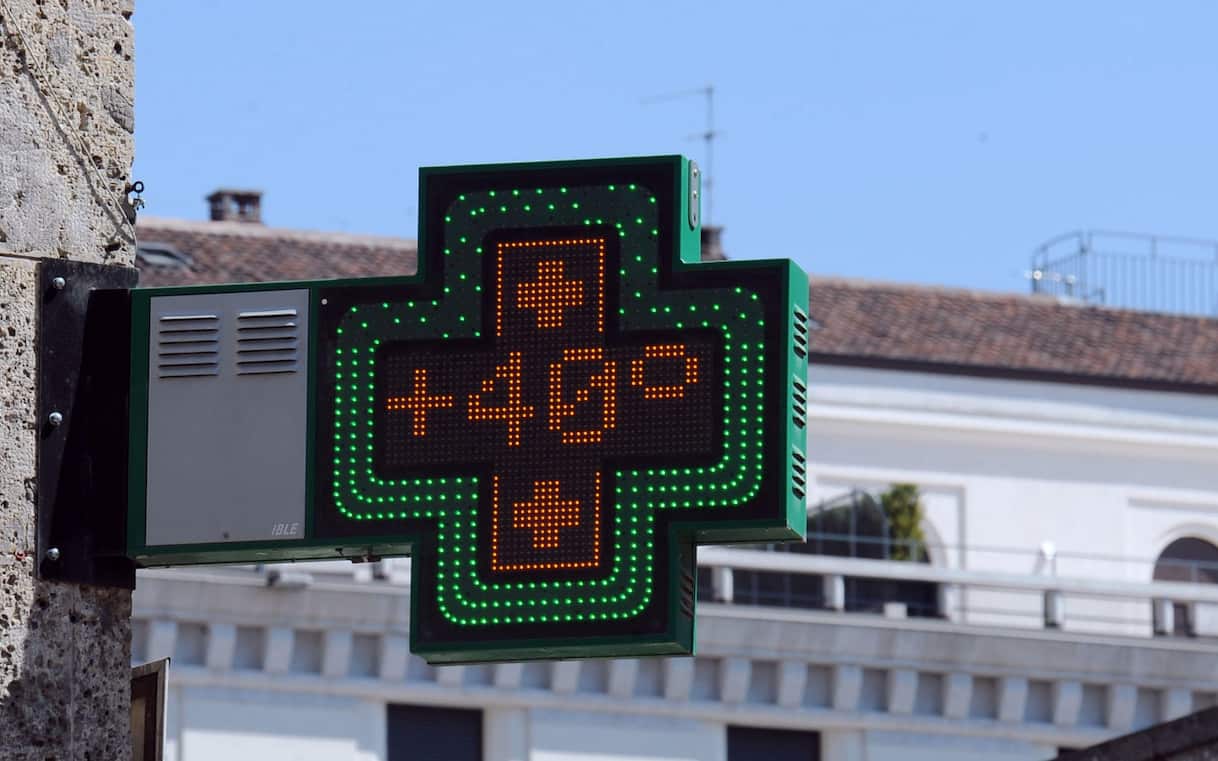
Italy Heatwave Alert: Temperatures Peak With Red Zone Warnings
Italy is bracing for a severe heatwave reaching its peak between Thursday and Friday, as a subtropical anticyclone pushes temperatures toward 40°C across central and southern regions. Authorities have issued high-level health alerts for 15 cities, warning of significant risks to vulnerable populations and local infrastructure stability.
The Meteorological Trajectory of the Subtropical Surge
The current weather pattern, driven by an intense subtropical anticyclone, has created a stagnant atmospheric block over the Mediterranean. According to meteorological data, the heat is not merely a localized event but a systemic pressure system that limits air circulation, preventing the cooling typically provided by sea breezes. While northern Italy faces a risk of violent, localized thunderstorms—a byproduct of the thermal instability caused by the collision of hot air and cooler Atlantic currents—the central and southern regions are experiencing sustained, oppressive heat.
By Thursday, seven major Italian cities will be under the highest “red” alert status.
Infrastructure Vulnerability and Urban Heat Islands
In metropolitan areas like Rome, the impact is compounded by the “urban heat island” effect. Recent mapping of the capital identifies specific districts where high building density and a lack of green cover exacerbate the danger.
This creates a critical failure point for municipal utility grids. As demand for air conditioning spikes, the strain on local power distribution becomes acute. For facility managers and property owners, the need for proactive maintenance is no longer optional.
Ensuring the continuity of operations requires immediate intervention.
Public Health and Regulatory Responsibilities
Local municipalities are responsible for activating heat-response protocols, which often include the opening of climate-controlled community centers and the deployment of mobile health units.
The Outlook: Managing Long-Term Thermal Risks
While the current heatwave is projected to see its peak mid-week, the systemic trend toward more frequent and intense thermal events suggests that this is an enduring challenge rather than an isolated anomaly.
The objective for city planners and business leaders must shift from reactive crisis management to long-term adaptation—integrating more resilient materials and energy-efficient cooling solutions into the fabric of the city.
The resilience of your operations in the coming weeks depends on the preventative measures taken today.