
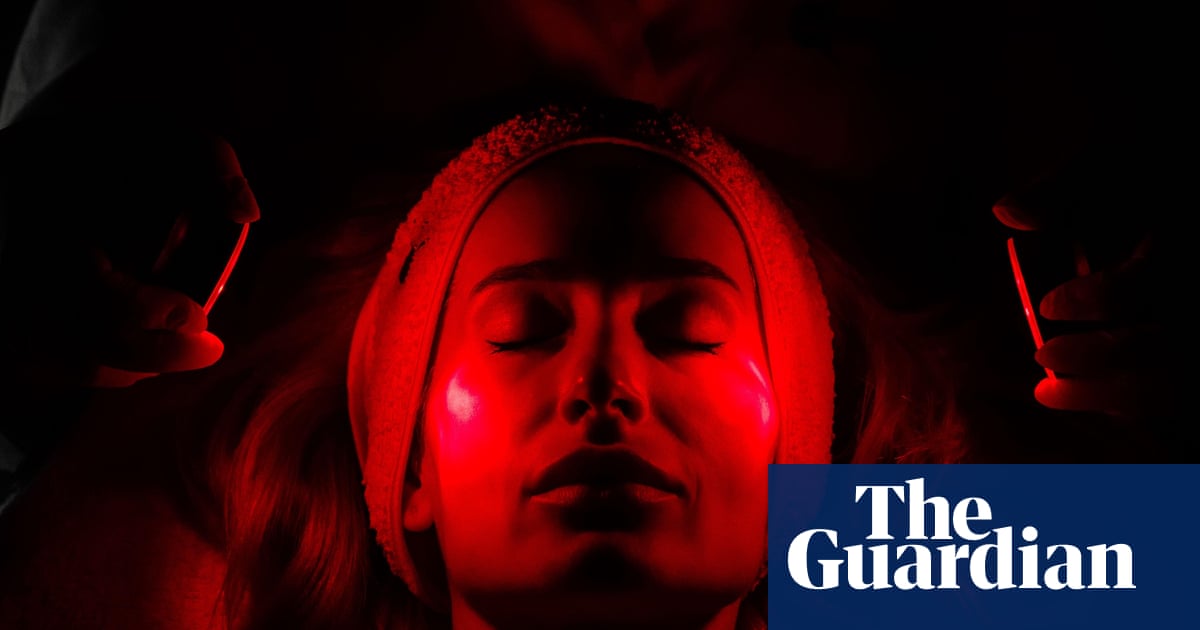
Light Therapy’s Rise Fuels Debate Over Efficacy and Safety
London – A surge in at-home light therapy devices - from skincare masks to red-light toothbrushes – is prompting both excitement and skepticism among medical professionals regarding their true benefits and potential risks. While proponents tout improvements in skin health, dental hygiene, and even joint pain, experts caution that robust scientific evidence remains limited, and overuse could lead to unintended consequences.
The appeal of light therapy lies in its theoretical ability to stimulate cellular processes. Red and infrared light, in particular, are believed to reduce inflammation and promote healing. Dermatologist Dr. Simran Deo, speaking to The Guardian, emphasizes foundational health practices as primary: “Good circulation, eat healthily so that you’ve got all the building blocks for repair, and sleep.” She highlights that “Healing peaks during sleep.”
However, the effectiveness of over-the-counter devices is under scrutiny. Dr.Ho, also a dermatologist, acknowledges the minimal risk when used as directed but warns against excessive use. “What overdoing it would probably mean is exerting too much heat on the skin, which can induce either pigmentation or even more inflammation in the skin. So there’s some concerns around the use of these products.”
Despite these concerns, Dr.Ho admits to personal experimentation with LED devices for brightening and anti-pigmentation, emphasizing the importance of viewing them as “a splurge, a fun treat to yourself… but I would avoid overuse, and use as it’s directed.” He suggests they can offer “nice-looking effects, even if it’s short-lived,” and provide a psychological boost.
In professional dermatology settings, LEDs are utilized to mitigate side effects – like inflammation – from more intensive treatments such as chemical peels and injections, aiming to reduce recovery time.Medical-grade equipment is expected to carry a CE marking,indicating stricter testing standards than consumer products. Even with these devices, Dr.Ho notes that optimal usage - dosage and frequency – is still largely based on manufacturer recommendations and ongoing research. The interaction between light therapy and other skincare products also remains unclear.
The emerging field of oral light therapy, exemplified by red-light toothbrushes claiming to combat gum disease, faces even greater uncertainty. The British Dental Association has stated its experts are currently unable to provide guidance due to the nascent stage of research. While theoretically capable of reducing inflammation and boosting cellular health, the efficacy and safety of these devices remain largely unknown.
