
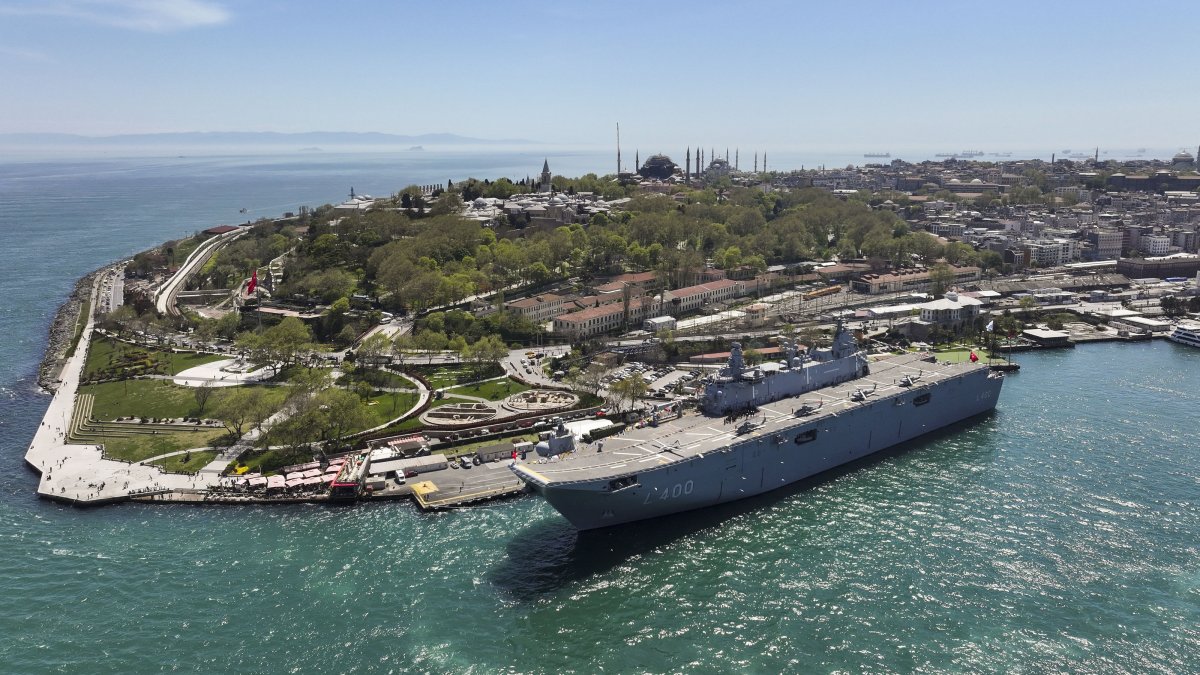
Istanbul Defense and Aerospace Exhibition: A New Global Hub
SAHA 2026, held at the Istanbul Expo Center from May 5-9, brings together 1,700 companies from over 120 countries. Organized by SAHA Istanbul, the event aims for $8 billion in export contracts, showcasing Türkiye’s aerospace and defense capabilities through industry leaders like Baykar, Aselsan, and Roketsan.
The transition from the $6.2 billion recorded at SAHA 2024 to an $8 billion target is a signal of aggressive market expansion. This surge in transaction volume creates a critical bottleneck in regulatory compliance and cross-border contracting. Mid-market firms are now pivoting toward corporate legal firms specializing in aerospace law to secure these high-stakes agreements and manage the intellectual property risks associated with rapid export scaling.
The Fiscal Architecture of an $8 Billion Target
Driving the narrative of SAHA 2026 is a clear appetite for top-line growth. The event is not merely a showcase but a procurement engine designed to accelerate order books. With 164 signing ceremonies scheduled, the exhibition serves as a high-velocity closing environment for sovereign contracts. These ceremonies are leading indicators of future revenue streams that will impact the fiscal quarters of the participating defense giants.

The introduction of 203 new products suggests a strategic pivot toward vertical integration and technological diversification. By expanding the product portfolio, Turkish firms are reducing their dependence on foreign components, thereby improving EBITDA margins by lowering the cost of goods sold. This shift is essential for maintaining competitive pricing in a global market characterized by fluctuating raw material costs and supply chain volatility.
Scaling these operations requires more than just engineering prowess; it demands sophisticated financial instruments. As these firms chase an $8 billion target, the need for export credit agencies becomes paramount to mitigate the sovereign risk associated with selling high-value assets to emerging markets.
“The shift in the center of gravity for defense procurement toward Istanbul reflects a broader trend of regional hubs challenging traditional European aerospace dominance through aggressive pricing and rapid iteration cycles.”
Scaling the Industrial Base
The physical scale of the event mirrors the ambitions of the sector. Spanning 400,000 square meters of indoor and outdoor space—including a dedicated 20,000 square meter outdoor exhibition area—SAHA 2026 is designed to handle the logistical complexity of heavy aerospace hardware. The presence of 30,000 industry professionals and 263 international firms underscores the event’s role as a liquidity hub for the defense industry.
This density of expertise creates a fertile ground for B2B synergies. However, the logistics of moving specialized hardware across borders for such exhibitions often expose gaps in the supply chain. Firms are increasingly seeking specialized defense logistics providers to manage the secure transport and customs clearance of sensitive technology.
The participation of delegations from four continents, including significant representation from the US, Canada, and Europe, indicates a diversification of the buyer base. This geographic spread is a hedge against regional economic downturns and a strategic move to penetrate untapped markets in the Global South.
The Macro Shift in Defense Procurement
The evolution of the defense industry in Türkiye is not happening in a vacuum. We see part of a macro trend where diplomatic leverage is increasingly tied to defense exports. The “defense-diplomacy” nexus allows a nation to secure strategic alliances by providing critical security infrastructure.
- Market Penetration: By targeting $8 billion in contracts, Türkiye is aggressively capturing market share from traditional Western OEMs (Original Equipment Manufacturers) who are often bogged down by slower procurement cycles.
- Technological Leapfrogging: The 203 new products introduced at the fair indicate a focus on unmanned systems and aerospace innovation, allowing the sector to leapfrog older, legacy platforms.
- Sovereign Capability: The organization of the event by SAHA Istanbul, the largest defense and aerospace cluster in Europe and Türkiye, demonstrates a coordinated industrial strategy rather than fragmented growth.
This coordinated approach reduces the friction usually found in fragmented industrial bases. When a cluster of 1,700 companies operates with a shared global communication partner like Anadolu, the efficiency of market entry increases significantly. The result is a shortened sales cycle for complex defense systems, which typically take years to move from proposal to delivery.
The trajectory of the defense and aerospace sector is moving away from the legacy hubs of Paris and Hannover, centering instead on emerging powerhouses that can blend rapid innovation with strategic diplomacy. As the $8 billion target becomes a reality, the winners will be those who can scale their administrative and legal infrastructure as quickly as their engineering teams. For firms looking to navigate this expansion or find vetted partners in the global supply chain, the World Today News Directory remains the primary resource for connecting with elite enterprise service providers.