Israeli Strikes Kill Nine in Southern Lebanon: Deadliest Day Since June
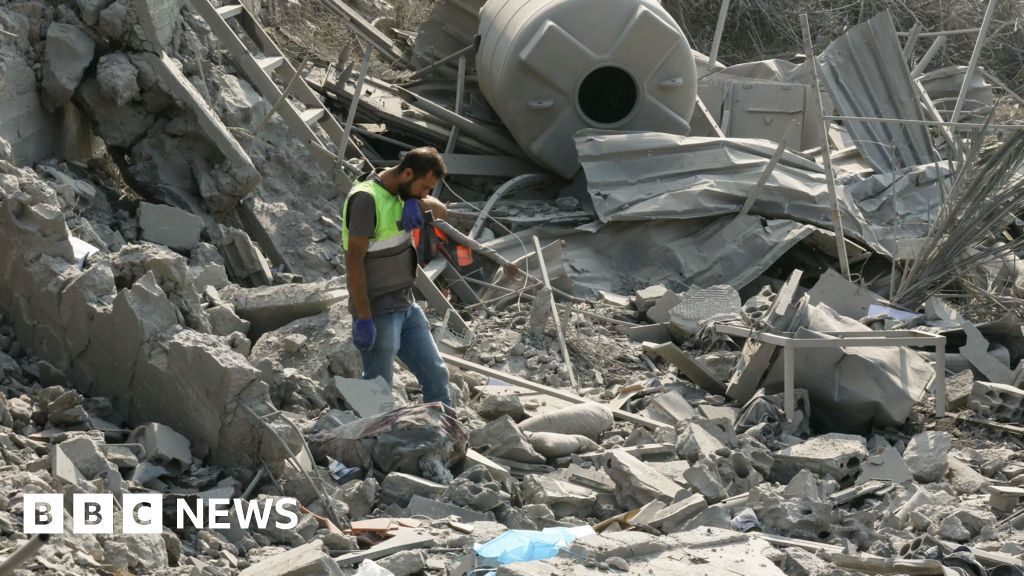
Seven people were killed in an Israeli strike on a house on the outskirts of Ansar in the Nabatieh district, Lebanon’s Prime Minister Nawaf Salam announced. The casualties included three children and two women, according to state media reporting, marking one of the deadliest days of attacks since an agreement aimed at reducing hostilities was announced in June.
The Escalation in Nabatieh and Deir al-Zahrani
The strike in Ansar occurred at approximately 04:30 local time, targeting a residential structure where displaced families were living. According to the BBC, footage broadcast on social media captured thick plumes of smoke drifting through the village streets as emergency sirens sounded. Later that same day, a separate round of strikes hit the town of Deir al-Zahrani, killing two additional people and injuring nine others, as confirmed by the Lebanese Ministry of Health.
Prime Minister Nawaf Salam strongly condemned the attacks. He stated that the seven civilians killed in Ansar were not military infrastructure. According to the BBC, Salam asserted, “Israel must halt this escalation. For the security of our people and their right to life on their land are not subject to negotiation or bargaining.”
Military Justification and Strategic Ground
The Israel Defense Forces stated that the strike on Ansar was carried out against what it described as “Hezbollah terror infrastructure.” The military action followed an earlier incident involving Israeli soldiers near the Ali al-Taher Ridge, a strategic high ground overlooking much of southeastern Lebanon and one of the war’s most fiercely contested positions.
Lebanon’s state-run National News Agency reported a series of strikes surrounding the ridge. Near the border, multiple homes were destroyed in Bint Jbeil, where Israeli forces also directed heavy machine gun fire toward houses.
The wider conflict involving Lebanon, Israel, the United States, and Iran escalated on March 2, when Hezbollah launched rockets into Israel following a strike that killed Iran’s supreme leader. In response, Israel initiated a bombing campaign across Lebanon and launched an invasion in the country’s south. Israeli forces continue to occupy roughly 5% of Lebanese territory.
Humanitarian Toll and Local Infrastructure Recovery
With repeated strikes devastating residential neighborhoods in Nabatieh and Bint Jbeil, local municipalities face severe humanitarian challenges. Communities attempting to manage structural damage and support displaced families rely heavily on coordinated regional aid and engineering assessments.

As diplomatic channels remain stalled and military exchanges persist along the border, residents across southern Lebanon continue to face profound displacement and ongoing security risks.