
Breakthrough Drug Developed with Israeli research Slashes Triglycerides, Offers Hope for Severe Hypertriglyceridemia
JERUSALEM – A novel drug, developed with contributions from Israeli researchers, is demonstrating remarkable success in lowering dangerously high triglyceride levels, offering a potential life-changing treatment for patients facing limited options and a high risk of pancreatitis. results from a recent study show the drug, Olezarsen, reduced triglyceride levels by 50% to 70%, depending on dosage, with 85% of patients achieving levels below 500 mg/dL.
Severe hypertriglyceridemia – extremely high levels of fats in the blood – can lead to acute pancreatitis, a painful and potentially life-threatening inflammation of the pancreas. Until now, patients with this condition often relied on invasive procedures for management. Olezarsen represents a important advancement, potentially eliminating the need for such procedures like plasmapheresis and dramatically reducing the incidence of pancreatitis, which fell by more than 80% in the study.
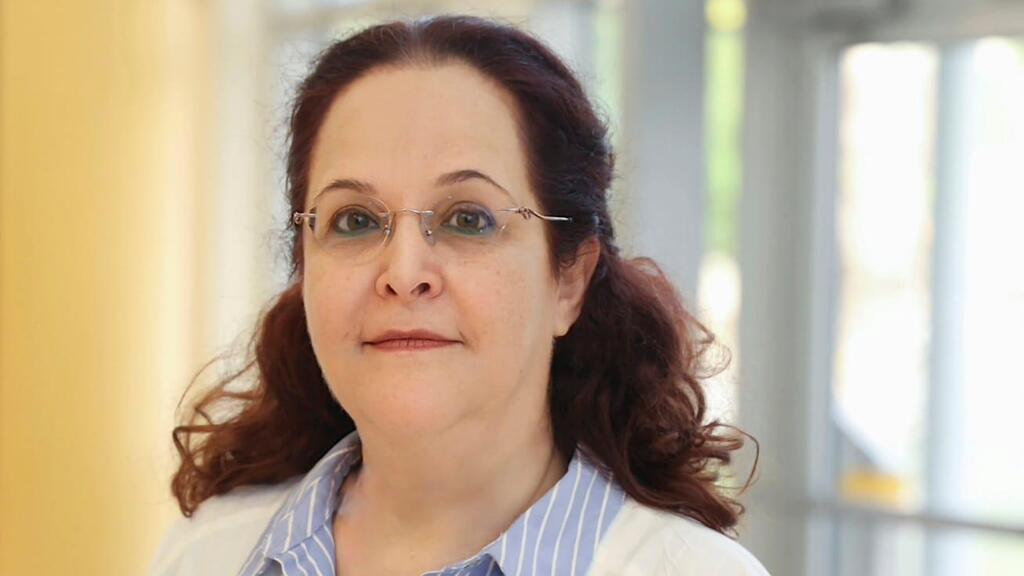
The research, spearheaded in part by Dr. Cohen, indicates the drug is generally safe, exhibiting side effect and treatment discontinuation rates comparable to placebo. Researchers did note mild increases in liver enzymes, reduced platelet counts – more prevalent at higher doses – and dose-dependent increases in liver fat, all of which require ongoing monitoring. Long-term follow-up studies are currently underway.
“This is a treatment that changes these patients’ lives,” Dr. Cohen stated, describing the drug as a “true breakthrough” and a “game changer” in the care of severe hypertriglyceridemia. She emphasized that combining Olezarsen with healthy lifestyle changes, diabetes control, and existing therapies could substantially reduce illness and mortality among those with dangerously elevated triglyceride levels.
Dr. Dov Gavish, chair of the Israel Atherosclerosis Society and a senior physician at Shaare Zedek Medical Center, highlighted the progress being made through clinical trials. “The newer drugs available…already help patients maintain far lower triglyceride levels, reduce pancreatitis episodes and improve diabetes control,” he said, adding that further treatments in progress promise “even broader care and prevent severe complications.”
