
Israel Strikes Tehran as Trump Signals Iran Talks & Pauses US Attacks
The Israeli military initiated a latest series of strikes targeting Tehran on Monday, coinciding with signals from former U.S. President Donald Trump indicating a potential pause in planned U.S. Attacks on Iranian energy infrastructure following what he described as “very excellent and productive conversations” with Iranian officials.
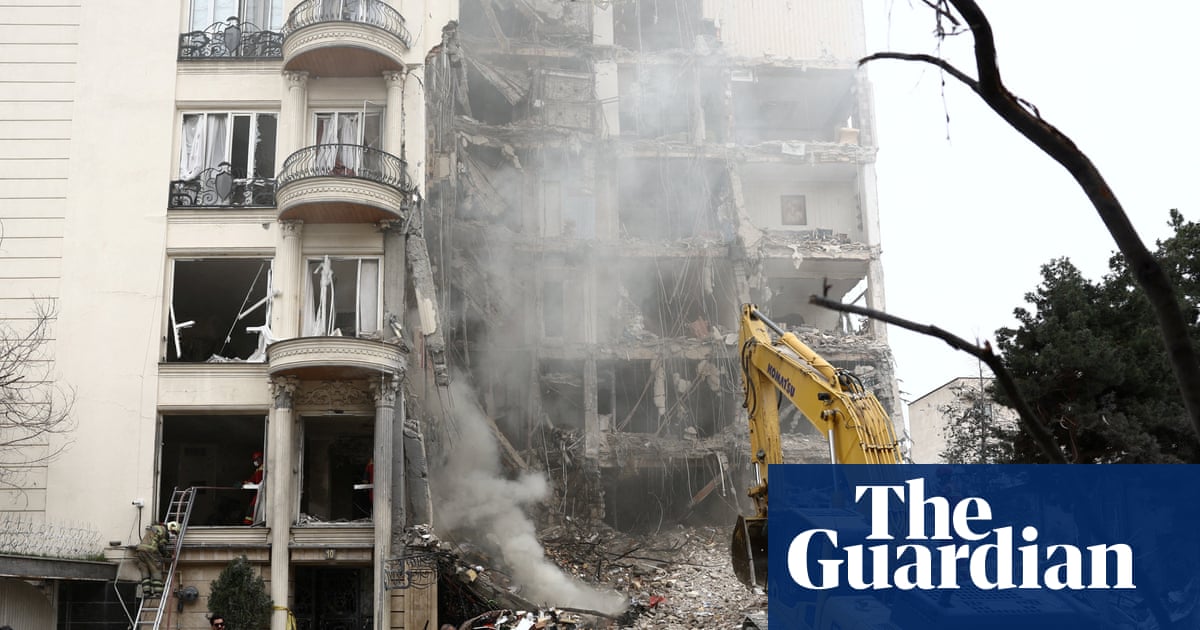
The Israel Defense Forces (IDF) stated it would continue operations in accordance with directives from the Israeli government until further notice. Approximately 40 minutes after Trump announced a five-day postponement of strikes on Iranian power plants, citing the ongoing discussions, the IDF announced on X (formerly Twitter) that it “has just begun another wave of strikes targeting infrastructure of the Iranian terror regime across Tehran.”
Even as the IDF indicated that energy infrastructure would be spared, suggesting a potential alignment with Washington’s decision to suspend targeting of Iranian power plants, an IDF official told the Times of Israel that the military could not comment on the reported U.S.-Iran negotiations, characterizing it as a “political echelon matter.” The official affirmed that the IDF was “operating in accordance with the directives of Israel’s political leadership and will continue to strike in Iran according to its plans until instructed otherwise.”
Al Jazeera Arabic reported that the scale of the explosions in Tehran was “unprecedented.” According to a statement released by the Israeli military on Telegram, the strikes targeted military bases and weapons sites, including an Islamic Revolutionary Guards Corps air defence and ground forces headquarters, a Quds Force base and intelligence site, and a defence ministry missile production facility, alongside other research and manufacturing centres. The Guardian was unable to independently verify these claims.
The U.S.-based Human Rights Activists News Agency (HRANA) reported at least 206 attacks across 15 Iranian provinces in the last 24 hours, resulting in at least four casualties – both civilian, and military. HRANA estimates that at least 15% of total casualties to date have been under the age of 18. Fars News Agency reported six deaths resulting from strikes on homes in Tabriz city.
Estimates of total fatalities in Iran since the commencement of U.S. And Israeli strikes have surpassed 1,500, with some rights groups reporting figures as high as 3,230 as of March 21. The IDF claims to have destroyed or rendered inoperable approximately 330 of Iran’s estimated 470 ballistic missile launchers since the beginning of the conflict, with more than half neutralized through airstrikes and others disabled by targeting entrances to underground storage facilities. The military reports that missile fire towards Israel has decreased to around 10 projectiles per day, down from approximately 90 at the start of the conflict.
Concurrent with the strikes in Iran, Israel has continued its military operations in Lebanon. The IDF reported a recent strike in Beirut targeting a militant linked to Iran’s Quds Force. Lebanon’s health ministry confirmed one fatality. State news agencies reported Israeli forces positioning themselves inside the southern Lebanese village of Aita al-Chaab, deploying surveillance equipment facing Ramiyah.
Bezalel Smotrich, Israel’s far-right finance minister, called for the annexation of areas in southern Lebanon, advocating for Israel to “apply sovereignty” over territories under its control, a position that has drawn criticism both domestically and internationally. Speaking on Israeli radio, Smotrich stated that the campaign in Lebanon “needs to end with a different reality entirely,” including a change to Israel’s borders, specifically suggesting the Litani River as a new boundary.
Trump stated on social media that Washington and Tehran “have had, over the last two days, very good and productive conversations” and that he had “instructed the Department of War to postpone any and all military strikes against Iranian power plants and energy infrastructure for a five-day period, subject to the success of the ongoing meetings and discussions.” The Israeli prime minister’s office has not yet responded to requests for comment regarding the U.S.-Iran talks or the decision to refrain from targeting specific Iranian sites.
Iran’s Revolutionary Guards announced Monday that they had launched a new attack on targets in Israel.