
Israel plans Lebanon ‘security zone’ as strikes escalate crisis
Jerusalem – Israel’s Defence Minister Israel Katz has outlined plans for a sustained military occupation of southern Lebanon, extending as far as the Litani River, in a move that has prompted condemnation from Hezbollah and raised fears of a significant escalation in regional conflict.
Katz detailed the plans during a meeting with the Israeli military chief of staff on Tuesday, stating that Israeli forces would “control the remaining bridges and the security zone up to the Litani,” according to a statement reported by the CBC and The New York Times. The Litani River, approximately 30 kilometers north of the Israeli border, would serve as a demarcation line for a “defensive buffer” zone, effectively seizing nearly a tenth of Lebanon’s territory.
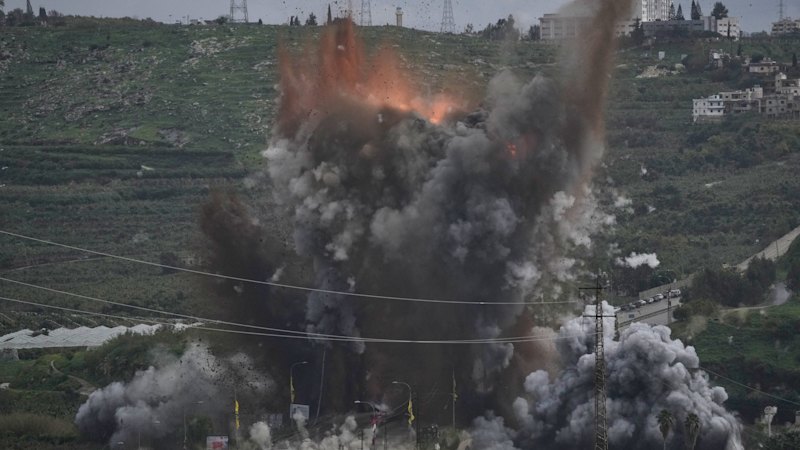
The announcement follows a period of heightened tensions, with Hezbollah launching rockets into northern Israel in retaliation for the killing of Iran’s supreme leader and ongoing Israeli strikes. According to the BBC, five bridges along the Litani River have already been destroyed by Israeli forces, a move intended to disrupt the movement of Hezbollah fighters and weaponry.
Hezbollah has vehemently opposed the proposed occupation, labeling it an “existential threat” to Lebanon. Senior Hezbollah lawmaker Hassan Fadlallah stated the group would “confront this aggression and cling to the land,” signalling a willingness to engage in armed resistance, as reported by Reuters.
The planned incursion has already triggered a humanitarian crisis, with more than a million people displaced in Lebanon, worsening an existing situation, according to the BBC. Israeli officials maintain the operation is necessary to protect communities in northern Israel from Hezbollah attacks, particularly after residents were forced to evacuate their homes due to rocket fire.
The Times of Israel reported that Katz stated residents displaced from southern Lebanon would not be permitted to return until security is ensured for northern Israeli communities. He added that the IDF would continue operations in Lebanon “with full force” against Hezbollah.
Recent Israeli strikes have targeted areas in southern Lebanon and Beirut, resulting in a rising death toll. Lebanon’s health ministry has reported 1,072 deaths and 2,966 wounded since the escalation began, including at least 121 children and 42 health workers. On Tuesday, a woman in her 30s was killed in northern Israel by a Hezbollah rocket, with two others wounded, according to reports.
An overnight strike southeast of Beirut killed three people, including a three-year-old girl, according to Reuters. The incident highlights the growing civilian toll of the conflict.
International calls for de-escalation have increased, with French President Emmanuel Macron urging peace talks to disarm Hezbollah even as protecting Lebanon. Australian Foreign Minister Penny Wong also discussed the situation with her Israeli counterpart, Gideon Sa’ar, emphasizing the need to end the conflict, according to a statement from Israel.
Sa’ar defended Israel’s actions, citing the ongoing threat to Israeli communities near the border and criticizing the Lebanese government for failing to take practical steps against Hezbollah.