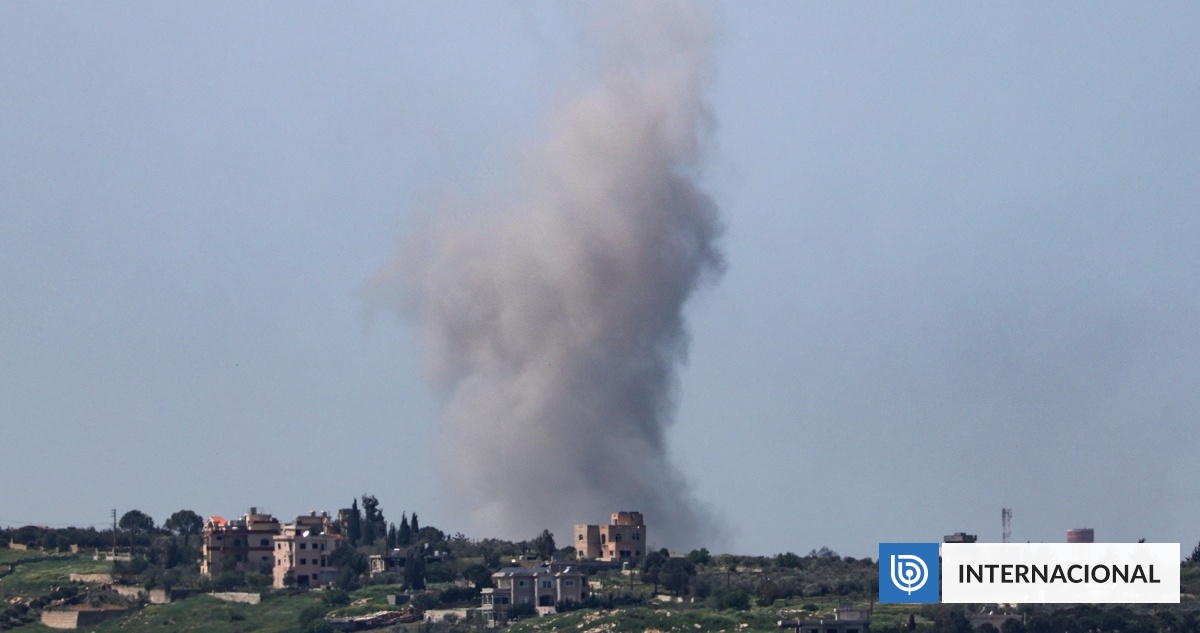
Israel-Lebanon Conflict: Ceasefire Violations and Widespread Destruction
The Lebanese Army has accused Israel of violating the ceasefire in southern Lebanon on April 17, 2026, citing ongoing military operations that threaten regional stability and humanitarian conditions as displaced families struggle to return to destroyed villages amid collapsing infrastructure and rising tensions along the Blue Line.
The latest escalation marks a dangerous rupture in the fragile truce established after months of cross-border fire between Israel and Hezbollah, with Lebanese officials reporting drone strikes, artillery barrages, and ground incursions near the villages of Kfar Kila, Maroun al-Ras, and Aitaroun—areas already devastated by previous bombardments. Satellite imagery analyzed by independent monitors confirms fresh craters in agricultural zones and damage to water pumping stations in the Bint Jbeil district, directly undermining UN-led efforts to restore basic services. For residents attempting to rebuild, the violation is not merely a breach of protocol but an existential threat to their return.
We are not dealing with isolated incidents. This is a pattern of systematic pressure designed to prevent civilian return and maintain security control over southern Lebanese territory through force.
— Colonel Karim Fahs, Lebanese Army Southern Command, statement to World Today News, April 16, 2026
The humanitarian toll is mounting. According to the UN Office for the Coordination of Humanitarian Affairs (OCHA), over 85,000 displaced persons remain in temporary shelters across Beirut, Tripoli, and Saida, with fewer than 15% reporting safe conditions for return to their homes in southern Lebanon. Critical infrastructure—including the main electrical substation in Bint Jbeil and three primary wells in the Marjayoun plain—remains nonfunctional due to repeated strikes, despite formal assurances under the ceasefire agreement. Local municipal councils in Nabatieh and Bent Jbeil have issued emergency decrees restricting reconstruction permits until security guarantees are verified, effectively freezing recovery efforts.
Historically, this region has borne the brunt of cyclical violence. The 2006 July War displaced nearly one million Lebanese and caused an estimated $3.6 billion in infrastructure damage, much of which was never fully repaired. Today, the economic cost of renewed instability threatens to derail Lebanon’s already fragile recovery, with the World Bank estimating that prolonged insecurity in the south could reduce national GDP growth by 1.2 percentage points annually through 2028, exacerbating unemployment and currency volatility.
Legal experts warn that Israel’s actions may constitute violations of international humanitarian law, particularly regarding proportionality and distinction under the Geneva Conventions. “When essential civilian infrastructure is repeatedly targeted during a declared truce, it raises serious questions about compliance with the laws of armed conflict,” says Dr. Lina Hatoum, professor of international law at the Lebanese University and advisor to the National Human Rights Commission. “Accountability mechanisms must be activated, not just condemned.”
For communities on the ground, the path forward requires more than diplomatic statements. Reestablishing trust demands verifiable security guarantees, independent monitoring, and immediate investment in restoring essential services. Those seeking to navigate the complex aftermath—whether documenting property loss, accessing humanitarian aid, or pursuing legal recourse—need reliable, vetted support.
Rebuilding lives in southern Lebanon means connecting with trusted emergency restoration contractors who can assess structural safety and repair water and power systems under volatile conditions. It also means consulting experienced international humanitarian law attorneys who can assist victims in filing claims before regional tribunals or UN bodies. Displaced families seeking long-term stability benefit from linking with accredited humanitarian aid coordinators who manage transparent distribution of shelter, food, and medical supplies in coordination with local municipalities.
The true test of any ceasefire is not the silence of weapons, but the ability of ordinary people to return home without fear. When that promise is broken, the consequences ripple far beyond the battlefield—into courtrooms, municipal offices, and the ledgers of aid agencies. In southern Lebanon today, the search for safety is no longer just about surviving the next strike. It’s about rebuilding a future on ground that keeps shaking.