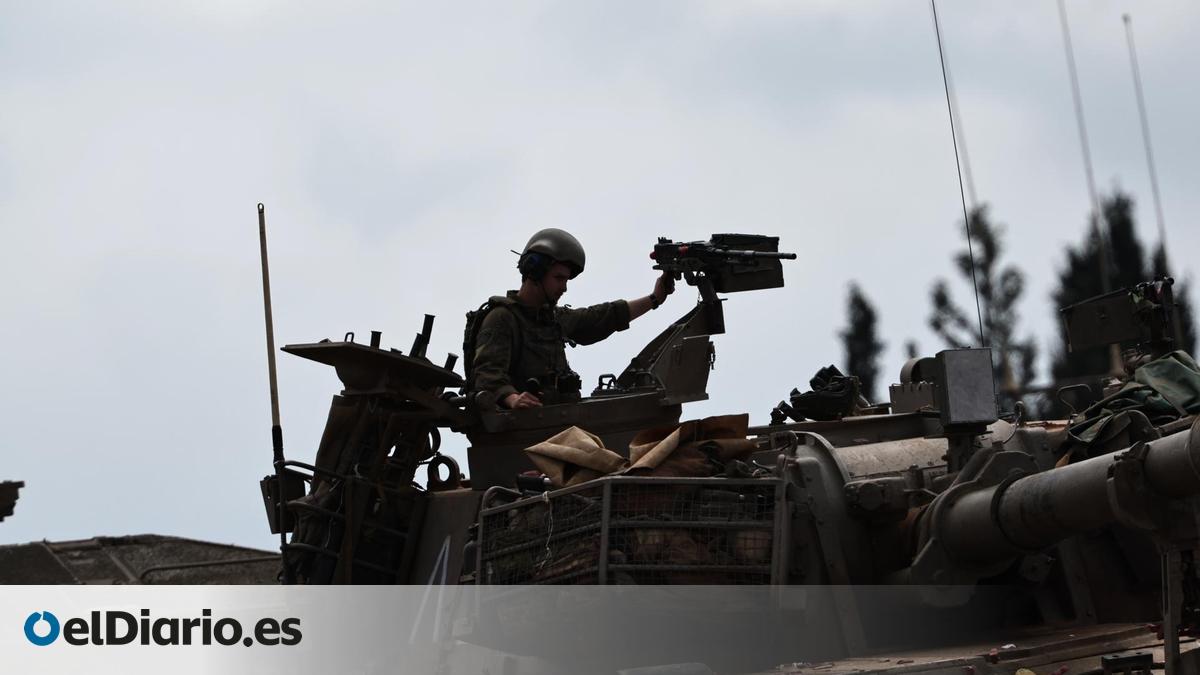
Israel Escalates Airstrikes in Lebanon Targeting Hezbollah Leadership
Israel targeted Hezbollah’s Radwan Force commander Ahmed Ghaleb Balout in a May 6, 2026, Beirut airstrike, effectively dismantling a fragile ceasefire brokered by U.S. President Donald Trump on April 16. The strike signals a return to high-intensity conflict and echoes historical failures of Israeli military interventions in Lebanon.
The tactical elimination of a high-ranking commander is a victory in the short term, but the strategic fallout is far more volatile. By striking the Haret Hreik neighborhood in Beirut’s southern suburbs—a known Hezbollah stronghold—Israel has not only signaled its willingness to ignore the current ceasefire but has also reopened a geopolitical wound that has festered for decades. What we have is no longer a border skirmish; it is the unraveling of a diplomatic framework designed to prevent a full-scale regional conflagration.
For global markets and transnational firms, this volatility is a critical risk indicator. The Levant is not an island; instability here ripples through Mediterranean shipping lanes and threatens the security of undersea energy infrastructure. Multinational corporations operating in the region are now urgently engaging global geopolitical risk consultants to recalibrate their contingency plans as the probability of a wider war spikes.
The Tactical Strike: Decapitating the Radwan Force
The target was specific: Ahmed Ghaleb Balout. As the commander of the elite Radwan Force, Balout was more than a mid-level operative. The Israel Defense Forces (IDF) identified him as a primary architect of “dozens” of attacks against Israeli troops in southern Lebanon, utilizing explosives and anti-tank guided missiles. More critically, the military asserted that Balout had advanced plans to invade the Galilee.
The response from the Israeli leadership was immediate and coordinated. Prime Minister Benjamin Netanyahu and Defense Minister Israel Katz issued a joint statement asserting, “The IDF has just struck in Beirut the commander of the Radwan Force in the Hezbollah terror organization to eliminate him.”
The strike was precise, but the cost was high. Reports indicate at least 10 deaths and 20 injuries across a day of intensified Israeli attacks in Lebanon. While the IDF published footage of the hit, a source close to Hezbollah, speaking to AFP, referred to the deceased as “Malek Balout, the operations commander,” confirming the loss of a key strategic asset.
One strike. One commander dead. A ceasefire shattered.
The Trump Ceasefire: A House of Cards
The current escalation is particularly jarring because it occurs only weeks after a high-profile diplomatic intervention. On April 16, U.S. President Donald Trump announced a ceasefire intended to freeze hostilities between Israel and Hezbollah. For a brief window, it appeared the “Trump Doctrine” of transactional diplomacy might hold the line.

It didn’t.
The unraveling of this agreement suggests a fundamental misalignment between the diplomatic promises made in Washington and the operational realities on the ground in Beirut and Tel Aviv. When a ceasefire is treated as a tactical pause rather than a strategic settlement, it creates a dangerous vacuum. This instability makes the region a minefield for foreign direct investment (FDI), forcing international developers to seek specialized international trade lawyers to navigate the legal complexities of force majeure clauses in regional contracts.
“The tragedy of the Levant is the repetition of the ‘tactical win, strategic loss’ cycle. Killing a commander provides a headline, but it rarely provides a border.”
The Ghost of the 1980s: Repeating a Failed Script
There is a haunting historical symmetry to this moment. Critics and analysts are already drawing parallels to the Israeli occupation of Lebanon during the 1980s and 90s. That era is widely viewed as a “great failure”—a period where military dominance failed to translate into political stability, eventually leading to a costly and grinding withdrawal in 2000.
The danger today is that Israel is repeating this script: pursuing a policy of “mowing the grass” (periodic strikes to degrade enemy capabilities) while lacking a comprehensive political exit strategy. The Radwan Force is a symptom of Hezbollah’s resilience, not the cause of it. By focusing on individual targets, Israel may be ignoring the broader socio-political currents that allow these organizations to regenerate.
To understand the gravity of this cycle, one must look at the historical context of Council on Foreign Relations analyses on the “Lebanon Quagmire.” The pattern is clear: military incursions often catalyze the very insurgencies they are meant to suppress.
Macro-Economic Fallout: Energy and Logistics
The conflict is not merely a matter of border security; it is an economic variable. The Eastern Mediterranean is home to massive natural gas discoveries, including the Leviathan and Tamar fields. These assets are the linchpins of Israel’s energy independence and its ambitions as a regional gas exporter to Europe via Reuters-monitored energy corridors.
Any escalation that moves from targeted strikes to a general war puts this undersea infrastructure at extreme risk. A single sabotage event on a pipeline could trigger a spike in regional energy prices and disrupt the supply chain for European markets already reeling from the loss of Russian gas.
the maritime insurance industry is watching closely. As the risk of “collateral” missile strikes in the Mediterranean increases, premiums for cargo shipping are expected to rise. Logistics firms are now scrambling to find resilient supply chain architects to divert shipments away from potential conflict zones.
Comparison of Strategic Risks
| Risk Factor | Tactical Impact (Short-Term) | Macro Impact (Long-Term) |
|---|---|---|
| Command Decapitation | Degraded Hezbollah operations | Increased desperation/radicalization |
| Ceasefire Collapse | Immediate border volatility | Erosion of U.S. Diplomatic credibility |
| Energy Infrastructure | Localized threats to rigs | Global energy price volatility |
The Editorial Kicker: The Shifting Chessboard
The strike on Ahmed Ghaleb Balout is a reminder that in the Middle East, the map is drawn in blood and rewritten in ink that never quite dries. Israel has proven it can hit any target, anywhere, at any time. But the ability to destroy is not the same as the ability to govern or to secure a peace. As the “Trump Ceasefire” evaporates, the region slides back into a state of permanent attrition.

For the global business community, the lesson is clear: the Levant is no longer a “managed” conflict. It is a volatile variable. Navigating this environment requires more than just news updates; it requires the precision of elite global security consultants and financial advisors who understand the intersection of kinetic warfare and market stability. The chessboard is shifting, and those who rely on yesterday’s treaties will be the first to lose their pieces.