
“`html
Israel strikes Sanaa in Response to Houthi missile Attacks
Table of Contents
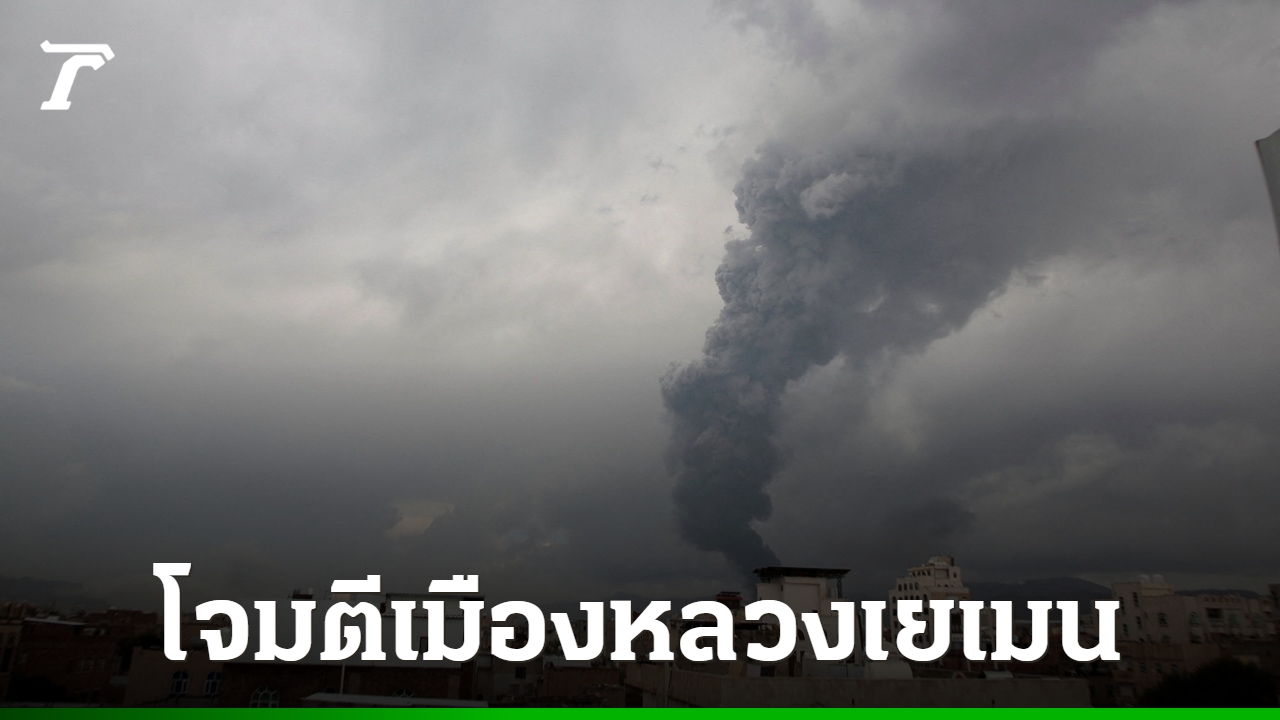
Sanaa, Yemen – Israeli airstrikes targeted the Yemeni capital, Sanaa, on Sunday, resulting in at least four deaths and dozens of injuries. This action represents a significant escalation in regional tensions, occurring as Israel prepares for potential expanded military operations in Gaza.
According to reports from Al Masira TV, a television station affiliated with the Houthi rebel group, the Israeli attacks focused on oil facilities and power plants within Sanaa. Israel confirmed targeting the presidential palace, asserting its use as a military installation.
Houthi air defenses reportedly intercepted a majority of the incoming attacks, forcing Israeli aircraft to withdraw. Despite this, Al Masira reported at least four fatalities. This strike follows a recent Houthi claim of launching a missile towards Israel, intended to pressure the Israeli government to cease its military actions and blockade of Gaza.
The Israeli military confirmed the Sunday attack was a direct response to continuous Houthi attacks against Israel and its citizens, including ground-to-ground missile launches and drone incursions into Israeli territory.
The Houthi group swiftly responded, stating that Israel’s attack would not deter their military support for Palestinians. They remain committed to their stated goals.
Hamas, the governing body in Gaza, praised the Houthi stance as courageous and issued a call for unified action. They urged Arab and Muslim nations, alongside independent forces, to collaborate in efforts to end the occupation.
“This attack will not deter us from our support of the Palestinian people,” a Houthi spokesperson stated.
The situation remains volatile, with the potential for further escalation. Analysts suggest this exchange highlights the broadening scope of the Israeli-Palestinian conflict and the increasing involvement of regional actors.
Understanding the Regional Dynamics
The conflict between Israel and Hamas in Gaza has long been a flashpoint in the Middle East. The involvement of groups like the Houthis demonstrates a growing network of support for Palestinians and a willingness to challenge Israeli actions. This situation is further complicated by regional power struggles and geopolitical interests. The Houthis, backed by Iran, represent a significant force in Yemen and have a history of opposing Western and Israeli interests. Monitoring these evolving dynamics is crucial for understanding the future of the region.
Frequently Asked Questions
- What prompted the Israeli attack on Sanaa? The attack was a response to recent missile launches by the Houthi group targeting Israel.
- Who are the Houthis? The Houthis are a Yemeni rebel group that controls much of northern Yemen and has a history of conflict with the Yemeni government and its allies.
- What is Hamas’s role in this conflict? Hamas, the governing body of Gaza, has expressed support for the Houthis and called for broader Arab and Muslim involvement.
- What is the significance of the attacks on oil facilities? Targeting oil infrastructure aims to disrupt Yemen’s economy and perhaps exert further pressure on the Houthi group.
- Is this escalation likely to continue? The situation remains highly volatile, and further escalation is possible depending on the actions of all parties involved.
- What is Israel’s stated goal in these attacks? Israel states its goal is to respond to attacks on its citizens and deter future aggression.
- How does Iran factor into this conflict? The Houthis are believed to be backed by Iran, adding another layer of complexity to the regional dynamics.
Disclaimer: This article provides news reporting and analysis. It is not intended to provide legal,medical,or financial advice. Consult with qualified professionals for such guidance.