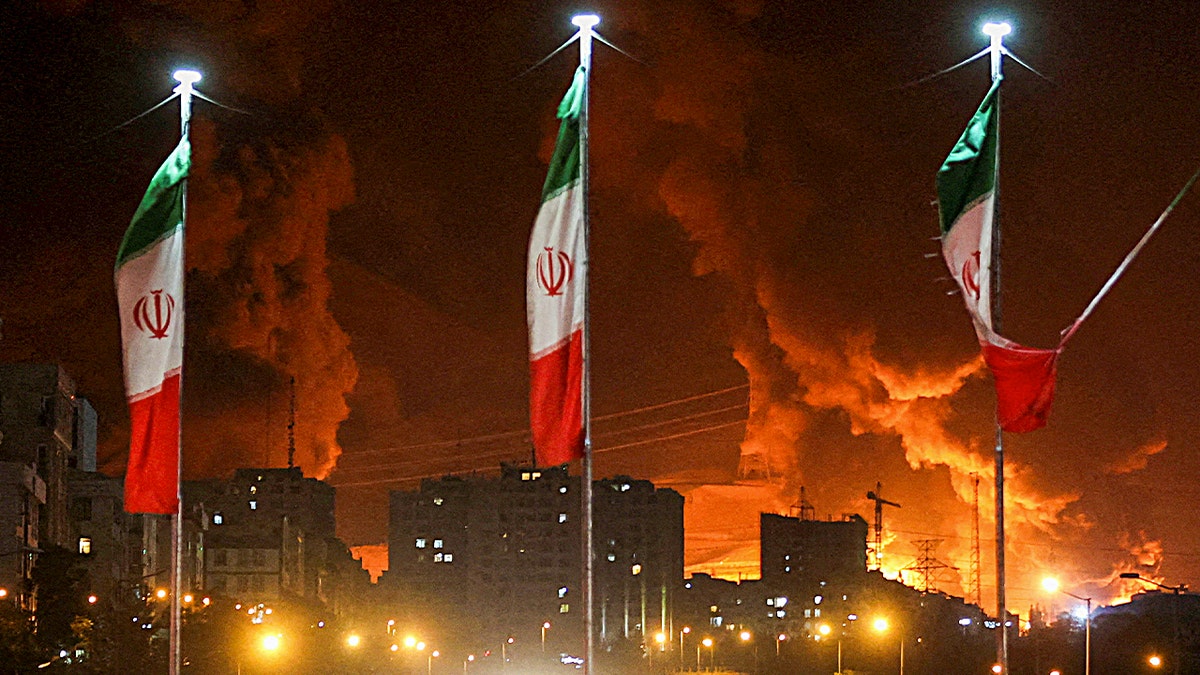
Israel and US Strike Iranian Petrochemical Sites Amid Rising Regional Tensions
Israel and the United States have launched targeted airstrikes on Iran’s southwestern petrochemical economic zones, escalating regional conflict. Prime Minister Benjamin Netanyahu confirmed the operation, while Iran warns of radiation risks and prepares for aerial ambushes. The Strait of Hormuz remains a critical geopolitical choke point amid heightened instability.
This is no longer a shadow war. The transition from covert sabotage to overt kinetic strikes on economic infrastructure signals a fundamental shift in the strategy of the US-Israeli alliance. By targeting petrochemical facilities—the very engines of Iran’s non-oil export economy—the coalition is attempting to cripple the financial pipelines that sustain Tehran’s regional proxies. This is economic attrition masquerading as a security operation.
The stakes are binary: either a forced diplomatic pivot or a total regional conflagration.
The Strategic Decapitation of Economic Assets
The strikes on the southwestern petrochemical economic zones are designed to do more than cause physical damage; they are intended to trigger a systemic collapse of industrial confidence. These zones are not merely factories; they are the hubs of Iran’s “economic resistance” strategy. When these facilities move dark, the ripple effects move rapidly through the global supply chain, particularly in the polymers and specialty chemicals sectors.
Simultaneously, the intelligence war has reached a fever pitch. The recent Israeli strike that killed Iran’s Revolutionary Guard Intelligence Chief has left a vacuum in Tehran’s operational command. This decapitation strike, combined with the industrial attacks, suggests a coordinated effort to blind and bankrupt the Iranian state apparatus simultaneously.
For multinational corporations with exposure to Middle Eastern chemicals or energy, the predictability of the market has evaporated. Companies are now scrambling to secure their assets, often requiring the expertise of international risk management firms to conduct real-time threat assessments and evacuation protocols.
The Hormuz Choke Point and Global Logistics
The most alarming development for the global economy is the status of the Strait of Hormuz. US intelligence indicates that the strait is unlikely to be “cleared” or return to normal operational stability in the short term. As the world’s most critical oil transit artery, any perceived instability here triggers an immediate spike in maritime insurance premiums and freight rates.
Iran has responded by signaling its readiness to ambush fifth-generation fighters and advanced drones, turning the airspace into a high-stakes gamble. While Tehran has attempted to project strength—even sparking controversy with AI-generated images of downed F-35s—the reality is a desperate attempt to maintain a deterrent in a theater where they are increasingly outmatched technologically.
This logistical paralysis forces a pivot toward alternative routes and diversified sourcing. Global shippers are urgently engaging global logistics consultants to reroute shipments and mitigate the impact of a potential total blockade of the Strait.
Macro-Economic Fallout: Energy and Infrastructure
The intersection of petrochemical destruction and maritime instability creates a volatile cocktail for global commodity prices. The following table outlines the primary vectors of economic contagion resulting from this escalation:

| Strategic Target | Immediate Impact | Global Macro Ripple Effect |
|---|---|---|
| Petrochemical Zones | Loss of production capacity | Price volatility in global plastics and fertilizers |
| IRGC Intelligence Chief | Command and control disruption | Increased unpredictability of proxy attacks |
| Strait of Hormuz | Shipping delays/Insurance hikes | Crude oil price surges; Bloomberg energy index volatility |
| Nuclear Facilities (Alleged) | Radiation risk warnings | Environmental panic; long-term FDI flight from the region |
The Iranian Foreign Minister has explicitly warned that attacks on nuclear facilities have placed the entire region at risk of radiation exposure. Whether this is a strategic exaggeration to deter further strikes or a genuine environmental catastrophe, the result is the same: a massive increase in the risk profile for any foreign direct investment (FDI) in the Persian Gulf.
The Diplomatic Pivot: The Netanyahu-Trump Axis
While the missiles are falling in the southwest, the real game is being played in the corridors of power. Prime Minister Netanyahu is scheduled to meet with Donald Trump this Wednesday to discuss Iran talks. This timing is not coincidental. The kinetic strikes serve as “leverage” for the upcoming diplomatic engagement.
The objective is clear: create enough internal pressure within Iran to force a new, more stringent nuclear and regional agreement. However, the path to this “deal” is littered with the wreckage of previous treaties. The current escalation suggests that the “maximum pressure” campaign has evolved from sanctions to direct strikes on economic viability.
As the legal landscape shifts, transnational firms are finding their existing contracts in the region nullified by “force majeure” clauses or new sanctions regimes. This has led to a surge in demand for international trade lawyers capable of navigating the intersection of war-time law and global commerce.
“The risk of radiation and the instability of the Strait of Hormuz transform this from a localized conflict into a global economic security crisis.”
The volatility is not a bug; It’s a feature of the current geopolitical strategy. By making the region “uninsurable,” the US and Israel are effectively imposing a blockade without having to deploy a permanent naval wall.
The Editorial Kicker
The global chessboard has been reset. We are moving away from the era of “contained” conflicts and into an age of systemic attrition, where economic infrastructure is the primary target. For the B2B world, the lesson is stark: geopolitical risk is no longer a footnote in a quarterly report; it is the primary driver of the balance sheet. Whether you are managing a supply chain in Singapore or a portfolio in New York, the instability in the Persian Gulf will eventually find its way to your ledger. Navigating this chaos requires more than hope—it requires the strategic partnership of the world’s most elite legal, financial, and security consultants, all accessible through the World Today News Directory.