Israel and UAE Condemn Escalating Iranian Threats
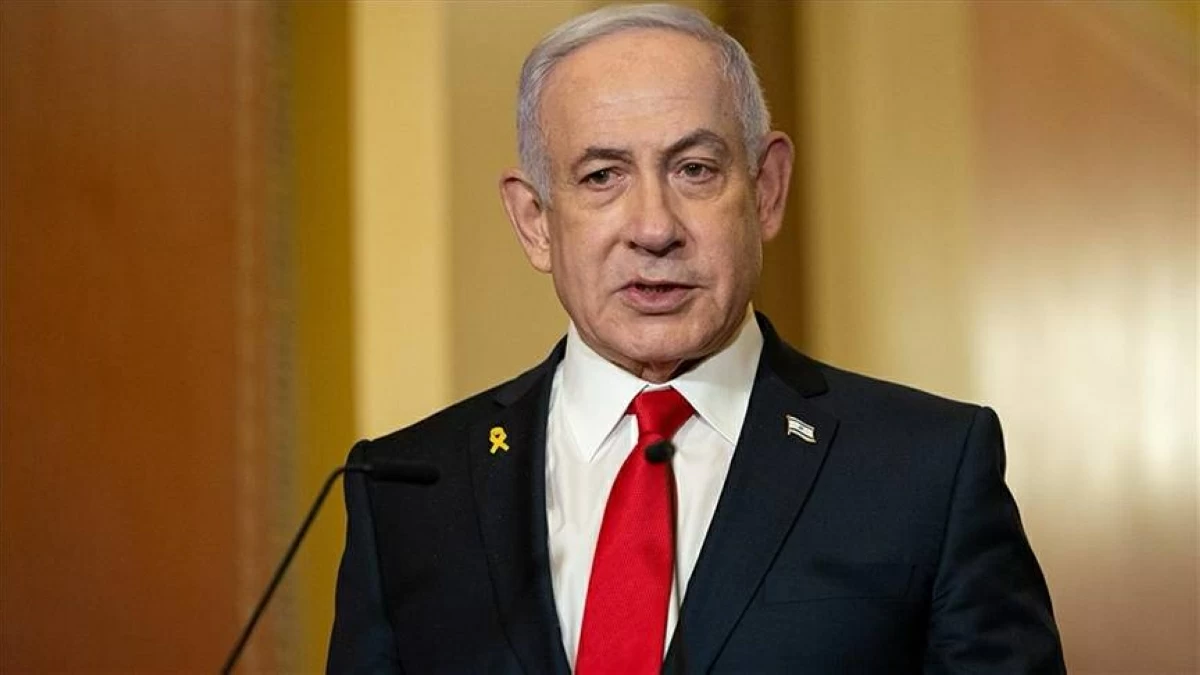
Israeli Prime Minister Benjamin Netanyahu has declared Israel “ready for all possibilities” regarding Iran, as geopolitical tensions surge across the Middle East. Simultaneously, the United Arab Emirates has condemned hostile Iranian rhetoric and criticized the UN Security Council’s failure to address Iranian “terrorism,” signaling a deepening regional rift and heightened security risks.
The current atmospheric pressure in the Gulf is reaching a breaking point. When a head of state speaks of being “ready for all possibilities,” the language shifts from diplomatic maneuvering to strategic preparation. This is no longer a cold war of proxies; it is a direct confrontation of narratives and military postures that threatens to destabilize the primary energy arteries of the global economy.
For businesses and diplomatic entities operating in the region, this volatility creates a vacuum of predictability. The immediate problem is the erosion of sovereign guarantees. When the UAE explicitly rejects “any claims or threats that affect its sovereignty,” it is a signal to international investors that the risk profile of the region has shifted. Navigating these waters requires more than just news updates; it requires the expertise of international law firms capable of shielding assets and interpreting the shifting legal landscape of sovereign immunity and treaty obligations.
The Israeli Posture: Deterrence and ‘All Possibilities’
Benjamin Netanyahu’s assertion that Israel is prepared for any scenario regarding Iran reflects a doctrine of proactive deterrence. By stating that the nation is “ready for all possibilities,” the Israeli leadership is communicating a refusal to be boxed in by traditional diplomatic constraints. This stance suggests a readiness to respond to threats not just through defensive interception, but through active measures designed to neutralize threats at their source.
This posture creates a ripple effect across the Mediterranean and the Gulf. The ambiguity of “all possibilities” is a deliberate psychological tool, intended to keep adversaries guessing about the threshold for military action. However, for the civilian and commercial sectors, this ambiguity is a liability. The uncertainty regarding potential escalation often leads to sudden spikes in insurance premiums for shipping, and logistics.
To mitigate these unpredictable shifts, many multinational corporations are now employing risk management consultants to develop contingency plans for sudden airspace closures or maritime disruptions in the region.
The UAE’s Diplomatic Pivot and the Sovereignty Red Line
The United Arab Emirates has moved from a position of quiet diplomacy to one of vocal condemnation. The UAE’s recent rejection of hostile Iranian statements is not merely a rhetorical flourish; it is a strategic alignment. By condemning threats to its sovereignty, Abu Dhabi is drawing a hard line in the sand, signaling that the era of passive coexistence is being replaced by a demand for mutual respect and security guarantees.
This shift is further highlighted by the statements of Gargash, who argued that solidarity with the UAE serves as a confirmation that Iran is the primary source of threat to the Gulf. This framing moves the conversation away from localized conflicts and positions the Iranian government as a systemic disruptor of regional peace.

“The transition from diplomatic mediation to explicit condemnation indicates that the UAE views the current Iranian trajectory as an existential threat to regional stability rather than a manageable diplomatic friction.”
This hardening of the UAE’s position suggests that the Gulf states are increasingly viewing their security as an indivisible block. When one state’s sovereignty is threatened, the entire regional architecture is viewed as compromised. This collective security mindset is driving a surge in demand for specialized security services to protect critical infrastructure, from desalination plants to energy hubs, against asymmetric threats.
The UN Security Council and the ‘Credibility Gap’
One of the most pointed criticisms emerging from this crisis is the UAE’s assertion that inaction regarding Iranian terrorism is actively destroying the credibility of the UN Security Council. This is a fundamental critique of the global order. When the primary body responsible for international peace and security is perceived as paralyzed, states are more likely to accept unilateral action to ensure their survival.
The UAE’s argument is simple: if the Security Council cannot or will not act against documented acts of terrorism, it ceases to be a viable mechanism for conflict resolution. This “credibility gap” encourages a return to a more fragmented world where regional powers must rely on bilateral security pacts rather than multilateral treaties.
For those tracking the legal ramifications of this failure, the United Nations Security Council archives provide a sobering gaze at the veto-driven paralysis that often defines these crises. The legal vacuum created by this paralysis often forces companies to seek private arbitration and specialized legal counsel to resolve disputes that should, in theory, be handled by international bodies.
Strategic Implications for the Gulf Region
The convergence of Israel’s military readiness and the UAE’s diplomatic outrage suggests a latest alignment in the Middle East. The “source of threat” is no longer a matter of debate among these actors; it is a shared premise. This shared premise is leading to increased intelligence sharing and a coordinated approach to regional defense.
However, the danger remains that a single miscalculation—a “possibility” that Netanyahu is ready for—could trigger a cascade of events that bypasses diplomacy entirely. The risk is not just a bilateral war between Israel and Iran, but a regional conflagration that draws in the Gulf states by necessity or by provocation.
To understand the broader context of these tensions, observers often look to the Israel Ministry of Foreign Affairs and the UAE Ministry of Foreign Affairs for official communiqués that signal the shifting temperature of these relations. The gap between official diplomacy and military readiness is where the highest risk resides.
The Economic Cost of Instability
While the headlines focus on missiles and mandates, the underlying story is one of economic fragility. The Gulf’s ambition to diversify its economy away from oil depends entirely on stability. Hostile rhetoric and threats to sovereignty discourage the long-term foreign direct investment (FDI) required for the “Vision” projects currently underway in the region.

When sovereignty is questioned and “all possibilities” are on the table, the cost of capital rises. Investors demand a higher risk premium, and the cost of insuring cargo through the Strait of Hormuz fluctuates wildly. This is the invisible tax that geopolitical instability imposes on the global consumer.
The Middle East is currently operating in a state of high-alert equilibrium. The transition from diplomatic dialogue to the language of “readiness” and “sovereignty” indicates that the traditional buffers of diplomacy are wearing thin. As the UN Security Council struggles with a crisis of credibility, the responsibility for stability is shifting toward regional actors and the private entities that support them.
In an era where “all possibilities” are being planned for, the only true security is preparation. Whether it is through the fortification of physical assets or the securing of ironclad legal protections, those who wait for the dust to settle before acting will find themselves at a significant disadvantage. For those navigating this volatility, the World Today News Directory remains the essential resource for connecting with the verified legal, security, and risk professionals equipped to handle the complexities of a region on the edge.