Is the Era of Cheap Government Finance Over? Global Bond Sell-Off Explained
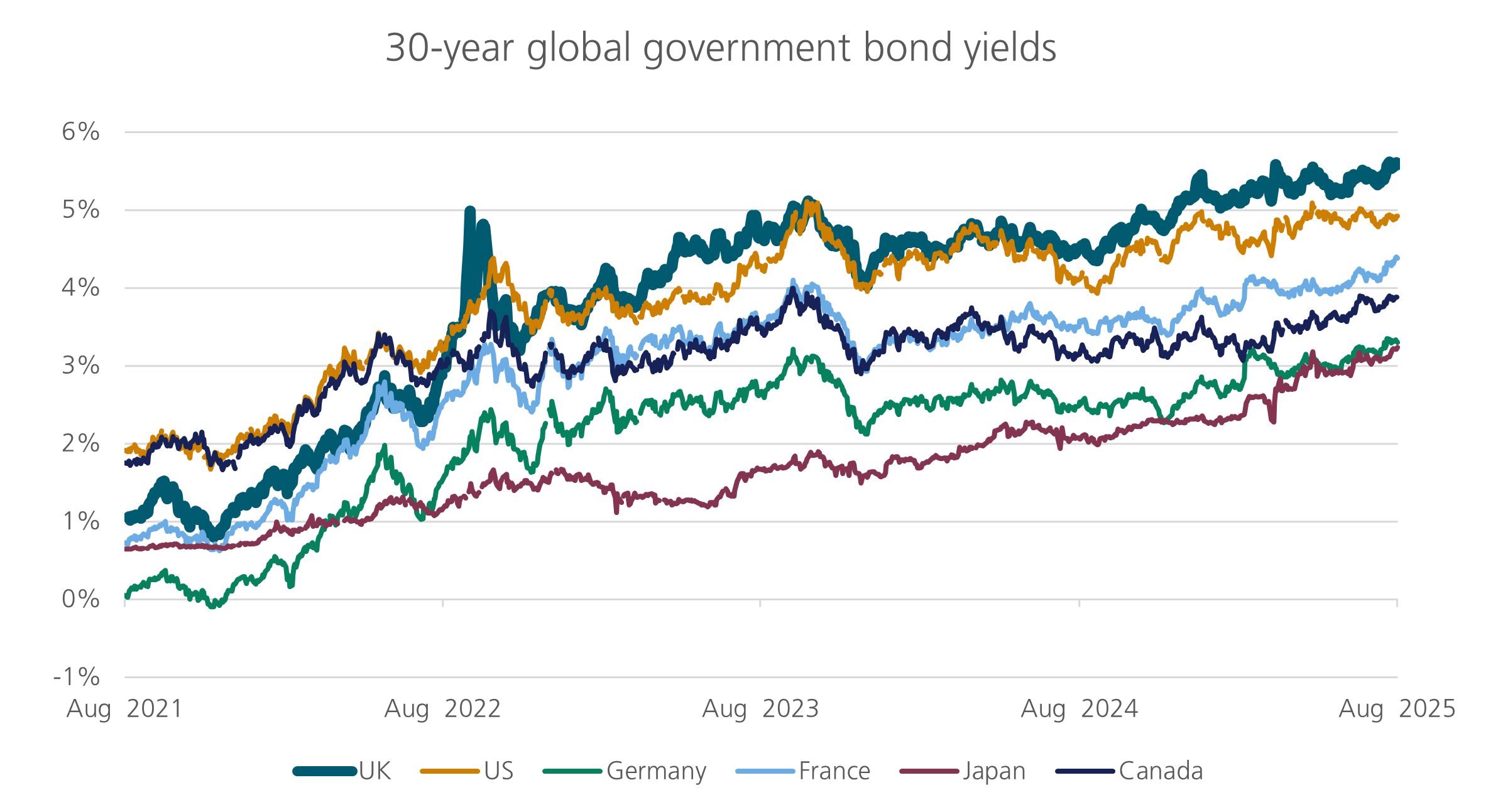
The great global bond sell-off has driven sovereign borrowing costs higher, forcing finance ministries and central banks to confront whether the historical era of cheap government finance has ended. As long-dated yields surge, the economic pressure is rippling through mortgage rates, corporate debt markets, and public sector budgets worldwide.
According to macroeconomic research published by Capital Economics in its August 21, 2026 Weekly Briefing podcast, titled “The great global bond sell-off – causes, consequences and what comes next,” a bond sell-off inherently triggers falling bond prices alongside rising yields. These yields represent the effective interest rates governments pay to borrow money from investors. Treasuries dictate the baseline for consumer mortgages and commercial loans, sustained upward pressure directly alters financial conditions across global economies.
Deconstructing the Mechanics of Sovereign Borrowing Pressures
The ongoing sell-off stems from a complex mix of fiscal expansion, changing monetary dynamics, and investor demands for higher compensation. Treasury Secretary Scott Bessent’s recent market interventions, the escalating term premiums demanded by investors, the vulnerability of highly exposed national fiscal systems, the competition for capital from the booming artificial intelligence infrastructure sector, and the trajectory of future yield peaks.
Investors increasingly demand a higher term premium—the extra financial compensation required to hold long-dated government debt over extended periods rather than rolling over short-term holdings. This shift reflects growing anxiety over ballooning national debts and persistent inflation risks. Parallel to sovereign debt issuance, massive capital allocation toward AI infrastructure and data-center ventures has intensified competition for liquid investor capital, creating an additional structural headwind for government bonds.
Historical Parallels and Regulatory Interventions
As debt-servicing costs escalate for finance ministries, macroeconomic analysts are revisiting historical policy tools used during past periods of heavy sovereign indebtedness. Capital Economics highlights financial repression—the deployment of targeted regulations, caps, and institutional mandates designed to keep government borrowing costs artificially below market equilibrium—as a playbook utilized extensively in the decades following World War II.

Yet modern financial markets operate with significantly higher levels of global capital mobility than mid-20th-century economies, complicating any potential return to rigid regulatory controls.
The overarching trajectory of global yields remains tightly linked to sovereign fiscal discipline and incoming macroeconomic data. As central banks and international markets digest these structural pressures, stakeholders across the financial ecosystem continue monitoring whether policymakers can successfully stabilize long-term debt instruments without triggering broader economic friction.