
Open Dialogue Revolutionizes Mental Health Care
Finnish Psychologist Jaakko Seikkula Advocates for Transformative Approach
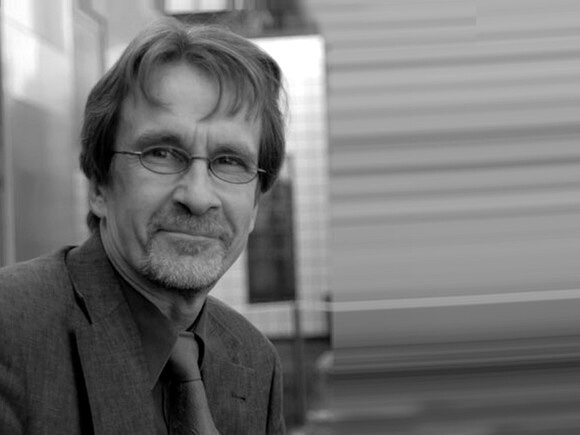
Finnish psychologist Jaakko Seikkula is at the forefront of a paradigm shift in mental health, championing the “Open Dialogue” approach that prioritizes human connection and dialogue over medication. Developed in Finland in the 1990s, this method has demonstrated remarkable long-term positive outcomes, influencing practices in over 40 countries.
Roots of a Radical Idea
Seikkula’s personal journey into psychology was influenced by losing his father at a young age. His academic path led him to the University of Jyväskylä. In contrast to the prevailing neurobiological disease model of the 1980s, which viewed conditions like schizophrenia primarily as brain disorders, the Finnish approach, spearheaded by Professor Yrjö Alanen and his team, embraced a need-adapted model integrating psychotherapy and a focus on family systems.
This led to the innovation of “open therapy meetings,” a concept Seikkula and his colleagues at Keropudas Hospital in Tornio further developed. They met Tom Anderson from Norway, who independently arrived at a similar concept of opening up clinical work. Anderson’s profound respect for clients and their families significantly impacted Seikkula.
The Power of Shared Reflection
A cornerstone of Open Dialogue is the “reflexive” element, where therapists openly share their thoughts and perspectives with each other and the client. This practice, refined collaboratively with Anderson’s team, fosters a unique intimacy and encourages clients to actively listen and engage. Seikkula recalls the surprising and overwhelmingly positive responses from families and clients to this transparent approach.
“We were so surprised by what happened,” Seikkula stated. “We couldn’t expect something like that taking place, or that the response of the families and of the clients would be extremely positive.”
Groundbreaking Study Challenges Conventional Wisdom
A pivotal 1992 Finnish government-funded study, “Integrated Care in Acute Psychosis,” directly challenged the neurobiological trend. The study compared a procedure where neuroleptic medication was delayed with traditional approaches that initiated medication immediately. Seikkula noted, “We found that people could return to employment quicker if neuroleptics were not prescribed.”
This study revealed that individuals not initially prescribed neuroleptics showed significantly better outcomes. Seikkula explained the intensive relationship-building required, stating, “It’s a very intensive relationship that we need to make with the families. We need to build it up with the families from the very first day.”
Five-Year Follow-Up Demonstrates Lasting Impact
A subsequent “Open Dialogue in Acute Psychosis” study followed individuals for five years. The results were striking: over 80% of participants remained employed, a stark contrast to traditional psychiatry where many end up on disability.
“When medication was used, the outcomes were worse, and when the medication was not used, the outcomes were better,” Seikkula observed. He also highlighted the detrimental effect of medication on clinical teams, noting that it “has a great impact on how the team is working.”
Overcoming Resistance and Promoting Global Adoption
Despite the compelling evidence, the Open Dialogue approach faced resistance in Finland, partly due to the entrenched neurobiological model and its powerful proponents. Critics dismissed the findings, citing methodological concerns as a means of maintaining the status quo.
Seikkula also highlighted the crucial role of psychiatrists like Birgitta Alakare, who bravely challenged standard practices. Her mantra, “Let’s see tomorrow,” became a symbol of the approach’s flexibility and commitment to exploring alternatives before defaulting to medication.
Reframing the Narrative for Hope
Open Dialogue offers a more hopeful narrative for individuals experiencing mental health crises. Instead of defining individuals by a diagnosis, the approach emphasizes understanding and shared experience. This humanistic perspective has been key to its adoption in numerous countries through training programs.
A recent study published in the Journal of Mental Health highlighted that integrated care models, similar to Open Dialogue, can significantly reduce hospital readmissions for individuals with severe mental illness. (Source: Journal of Mental Health, 2023)
Seikkula remains optimistic about the future, observing a growing interest among young psychiatrists eager to explore new, humanistic approaches. He emphasizes that Open Dialogue is more than just talking; it’s a profound way of being with people, fostering shared emotional experiences that can lead to genuine healing.
“What I now focus on is very much having shared emotional experiences in the meetings with the families and the team,” Seikkula shared. “Those symptoms disappear. They really are cured.”
The work of Seikkula and his colleagues, including Birgitta Alakare, has had a profound global impact, offering a vital alternative to traditional mental health paradigms.
