Is a Cure for HIV Possible? Lessons From 10 Confirmed Cases
Ten confirmed cases of HIV remission following stem cell transplantation have reignited global debate over whether a cure for HIV is scientifically attainable, marking a pivotal moment in four decades of relentless research into lentiviral pathogenesis and immune reconstitution. While antiretroviral therapy (ART) remains the cornerstone of HIV management, suppressing viral replication to undetectable levels in over 75% of diagnosed individuals worldwide, these rare instances of sustained remission—defined as the absence of detectable HIV RNA or DNA in blood and tissue reservoirs after cessation of ART—offer a proof-of-concept that eradication, though exceptionally rare, is biologically possible under highly specific conditions.
Key Clinical Takeaways:
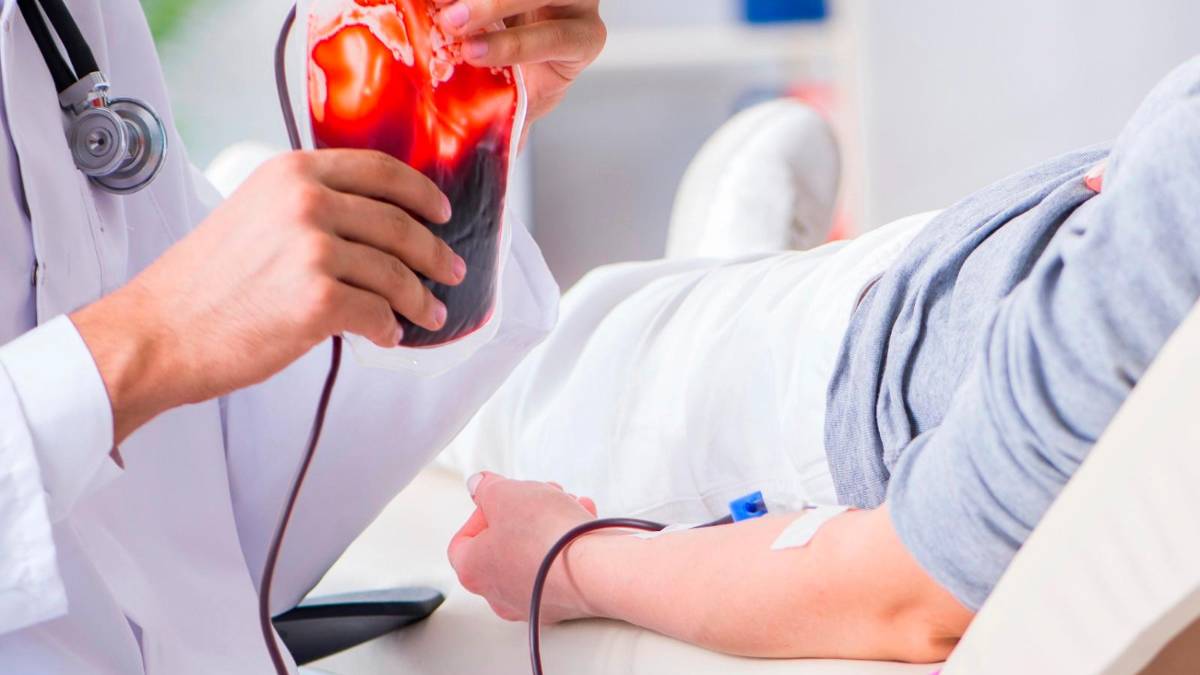
- All ten documented cases of HIV remission occurred in recipients of allogeneic hematopoietic stem cell transplants (HSCT) primarily for hematologic malignancies, not as direct HIV treatment.
- Five of the ten cases involved donors homozygous for the CCR5-Δ32 mutation, which prevents HIV-1 from entering CD4+ T cells by disrupting a coreceptor essential for viral fusion.
- Despite these successes, HSCT remains prohibitively risky for HIV-only indications due to a 5–15% mortality risk from graft-versus-host disease (GVHD) and conditioning regimen toxicity, restricting its application to patients with concurrent life-threatening cancers.
The most widely cited case, the “Berlin Patient” (Timothy Ray Brown), underwent two HSCT procedures in 2007 and 2008 for acute myeloid leukemia using stem cells from a CCR5-Δ32 homozygous donor. More than 15 years post-transplant and off ART, Brown showed no rebound of replication-competent HIV, a finding later corroborated by ultrasensitive assays detecting no intact proviral DNA in gut-associated lymphoid tissue—a major viral reservoir. This outcome was first reported in The New England Journal of Medicine in 2009 and confirmed through longitudinal follow-up published in Nature in 2020 (doi:10.1038/s41586-020-2020-5). Subsequent cases, including the “London Patient” (2019), “Düsseldorf Patient” (2022) and more recently the “Geneva” and “Oslo” patients, have replicated this outcome using similar CCR5-deficient grafts, though variability in conditioning regimens, graft source (bone marrow vs. Peripheral blood), and post-transplant immunosuppression complicates direct comparison.
Funding for these landmark studies has been diverse and often piecemeal. The Berlin and London cases received support from the German Federal Ministry of Education and Research (BMBF) and the UK’s National Institute for Health and Care Research (NIHR), respectively. The IciStem consortium—a European collaboration tracking HIV-positive individuals undergoing HSCT—has been instrumental in systematizing data collection, funded in part by amfAR, the Foundation for AIDS Research, and the European Union’s Horizon 2020 program (istem.org). Notably, no pharmaceutical company has sponsored these trials directly, reflecting the lack of commercial incentive in pursuing a high-mortality procedure for a condition manageable with lifelong ART.
Biologically, the mechanism of HIV clearance in these cases appears multifactorial. While CCR5 deficiency blocks new infection of effector and memory CD4+ T cells, contributing to long-term viral control, emerging evidence suggests that graft-versus-host (GVH) reactions may play a synergistic role in eliminating residual HIV-infected cells. A 2023 analysis of the IciStem cohort published in Cell found that patients who experienced mild to moderate GVHD had significantly lower levels of HIV DNA post-transplant than those without GVHD, implying an immunologic graft-versus-HIV effect (doi:10.1016/j.cell.2023.01.015). This dual-action model—combining genetic resistance with immune-mediated clearance—offers a translational pathway for gene-editing approaches aiming to replicate CCR5 disruption without transplantation.
Dr. Sharon Lewin, Director of the Doherty Institute for Infection and Immunity at the University of Melbourne and a leading HIV cure researcher, emphasized the interpretive limits of these cases: “While these ten patients prove that HIV remission is possible, we must be clear: stem cell transplantation is not a scalable solution. The morbidity and mortality associated with myeloablative conditioning and lifelong immunosuppression make this approach ethically unjustifiable for HIV monotherapy.” (doherty.edu.au). Similarly, Dr. Björn Jensen of Düsseldorf University Hospital, who treated the Düsseldorf Patient, noted in a 2023 interview that “the goal now is to dissect which components of the transplant process—CCR5 loss, GVHD, or conditioning regimen—are indispensable, so we can design safer, targeted interventions.” (uni-duesseldorf.de).
From a public health perspective, these cases underscore the limitations of relying on high-risk procedures to address a global pandemic affecting 39 million people. In sub-Saharan Africa, where two-thirds of new HIV infections occur, access to HLA-matched donors and transplant infrastructure remains negligible. Even in high-income settings, fewer than 0.1% of people living with HIV have a hematologic indication for HSCT, rendering this approach irrelevant to epidemic control. As such, the scientific community continues to prioritize less invasive strategies: broadly neutralizing antibodies (bNAbs), latency-reversing agents combined with immune enhancers (“shock and kill”), and CRISPR-based gene editing of hematopoietic stem cells ex vivo—approaches currently undergoing Phase I/II trials funded by the NIH’s Martin Delaney Collaboratories (RFA-AI-22-020).
For clinicians managing patients with HIV who develop hematologic malignancies, coordination between infectious disease specialists and transplant centers is critical. Referral to experienced board-certified hematologists with expertise in allogeneic transplantation ensures optimal donor selection and GVHD prophylaxis. Individuals considering participation in curative research should consult HIV specialists affiliated with academic medical centers enrolled in NIH-sponsored cure research networks to evaluate eligibility for investigational gene or immunomodulatory therapies.
While the ten cured patients represent a historic milestone, they also illuminate the formidable barriers to scalable HIV eradication. The path forward lies not in replicating high-risk transplants, but in distilling their biological lessons—CCR5 immunity, graft-mediated clearance, and reservoir targeting—into safe, affordable, and globally accessible interventions. Until such tools emerge, ART remains the standard of care, transforming HIV from a fatal illness into a manageable chronic condition for millions.
*Disclaimer: The information provided in this article is for educational and scientific communication purposes only and does not constitute medical advice. Always consult with a qualified healthcare provider regarding any medical condition, diagnosis, or treatment plan.*