
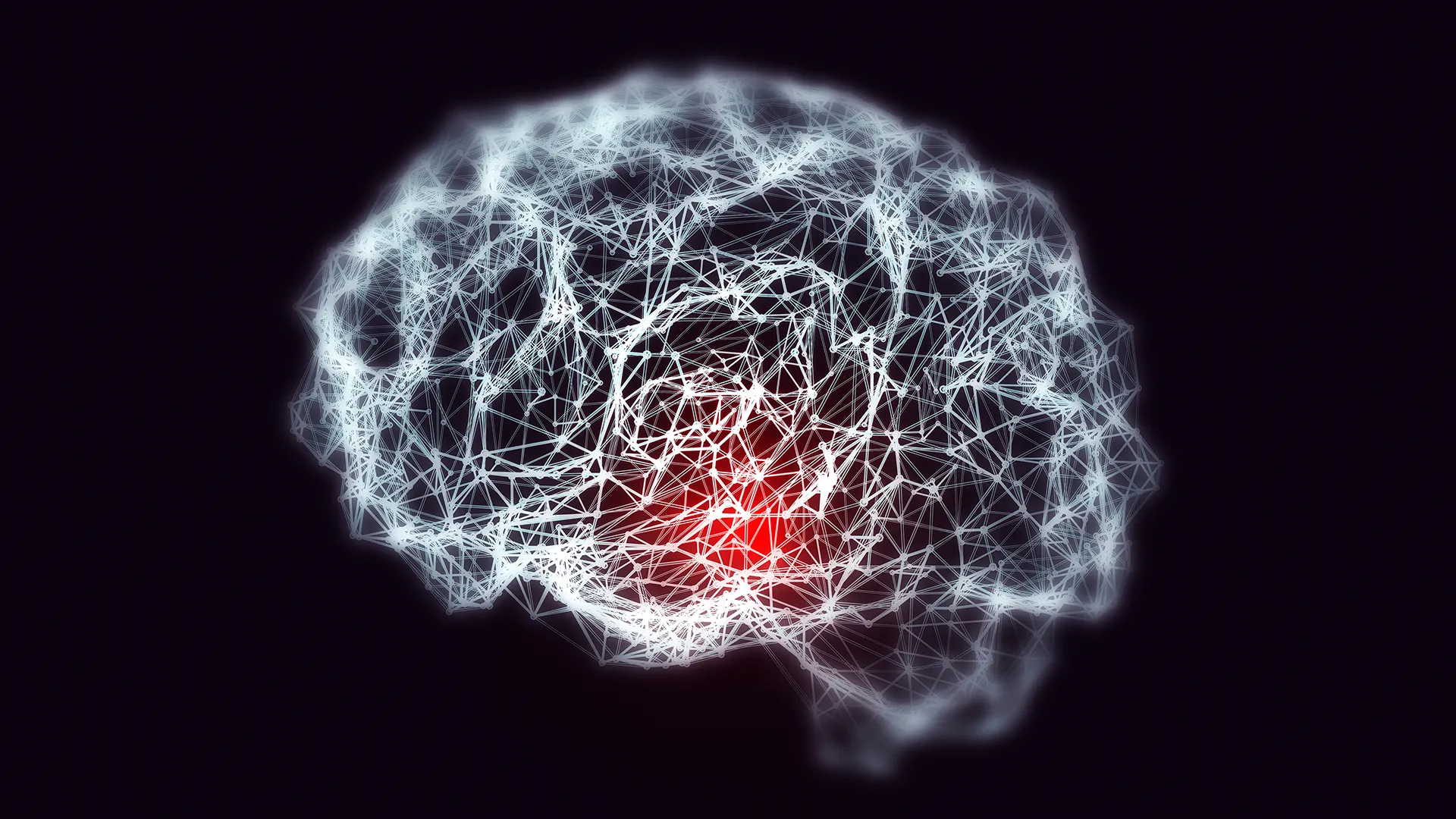
Iron Overload in Brains of People With Down Syndrome May Explain Early Alzheimer’s
Table of Contents
- Iron Overload in Brains of People With Down Syndrome May Explain Early Alzheimer’s
- iron’s Role in Alzheimer’s Progression in Down Syndrome
- Key Findings: Ferroptosis and Lipid Rafts
- Lipid Rafts: Hotspots for Brain Changes
- Insights from Rare Down Syndrome Variants
- Potential Therapeutic Avenues
- Future Research Directions
- Evergreen Insights: Understanding Down Syndrome and Alzheimer’s
- Frequently Asked Questions About Down Syndrome and Alzheimer’s
A groundbreaking study from the USC Leonard Davis School of Gerontology has uncovered a critical link between elevated iron levels in the brain and increased cellular damage in individuals diagnosed with both Down syndrome and Alzheimer’s disease (DSAD). The research, published in the journal Nature Communications, reveals that DSAD brains exhibit twice the amount of iron and heightened oxidative damage compared to those with Alzheimer’s alone or neither condition, suggesting a specific iron-mediated cell death process. This finding may elucidate why Alzheimer’s symptoms manifest earlier and more severely in people with Down syndrome, who have a higher risk of developing the disease.
iron’s Role in Alzheimer’s Progression in Down Syndrome
Down syndrome arises from an extra copy of chromosome 21, which includes the gene for amyloid precursor protein (APP). APP is involved in the production of amyloid-beta (Aβ), the protein that forms plaques in Alzheimer’s brains. Individuals with Down syndrome produce more APP, leading to earlier Alzheimer’s onset. by age 60, approximately half of all people with Down syndrome show signs of Alzheimer’s, about 20 years earlier than the general population.
Did You Know? People with Down syndrome have a 3 to 5 times greater risk of developing Alzheimer’s disease compared to the general population, according to the National Institute on Aging.
The USC study focused on the prefrontal cortex, a brain region crucial for thinking, planning, and memory. Researchers analyzed donated brain tissue from individuals with Alzheimer’s, DSAD, and those without either diagnosis. The key findings highlighted substantially higher iron levels in DSAD brains, increased damage to lipid-rich cell membranes, and weakened antioxidant defense systems.
Key Findings: Ferroptosis and Lipid Rafts
The research team’s analysis revealed several critical differences in the brains of individuals with DSAD compared to those with Alzheimer’s disease alone or control groups. These differences point to a specific type of cell death called ferroptosis.
- Elevated iron Levels: DSAD brains exhibited twice the amount of iron in the prefrontal cortex compared to other groups. This buildup is believed to originate from microbleeds, tiny leaks in brain blood vessels, which are more frequent in DSAD and correlated with higher APP levels.
- Lipid Peroxidation: Increased byproducts of lipid peroxidation, indicating damage to cell membranes, were found in DSAD brains compared to Alzheimer’s-only or control brains.
- Weakened Antioxidant Defenses: The activity of key enzymes protecting the brain from oxidative damage and repairing cell membranes was lower in DSAD brains, notably in lipid rafts.
These findings suggest increased ferroptosis,a cell death process driven by iron-dependent lipid peroxidation. Iron accumulates, causing oxidation that damages cell membranes and overwhelms the cell’s protective mechanisms.
Lipid Rafts: Hotspots for Brain Changes
Lipid rafts, specialized regions of the cell membrane involved in cell signaling and protein processing, exhibited important oxidative damage and fewer protective enzymes in DSAD brains. these lipid rafts also showed increased activity of β-secretase, an enzyme that interacts with APP to produce Aβ proteins. This combination of damage and Aβ production may accelerate amyloid plaque formation, speeding up Alzheimer’s progression in people with down syndrome.
Pro tip: Maintaining a diet rich in antioxidants and iron-chelating agents may help mitigate the effects of iron overload in the brain.
Insights from Rare Down Syndrome Variants
The study also examined rare cases of “mosaic” or “partial” down syndrome, where the extra copy of chromosome 21 is present in only a subset of cells. These individuals had lower APP and iron levels in their brains and tended to live longer. Conversely, individuals with full trisomy 21 and DSAD had shorter lifespans and higher levels of brain damage. These cases underscore the importance of APP levels and associated iron in disease progression.
Potential Therapeutic Avenues
The findings suggest potential therapeutic strategies, particularly for individuals with Down syndrome at high risk of Alzheimer’s. Early research in mice indicates that iron-chelating treatments, which bind to metal ions and facilitate their removal from the body, may reduce indicators of Alzheimer’s pathology. Medications that remove iron from the brain or strengthen antioxidant systems may offer new hope. Researchers emphasize the importance of targeting factors that hasten plaque development, not just the amyloid plaques themselves.
| Characteristic | Alzheimer’s Disease | Down Syndrome with Alzheimer’s (DSAD) | Control Group |
|---|---|---|---|
| Iron Levels in Prefrontal cortex | Normal | Twice as High | Normal |
| Lipid Peroxidation | Elevated | Significantly Elevated | Normal |
| Antioxidant Enzyme Activity | Reduced | Significantly Reduced | Normal |
Future Research Directions
Future research will focus on developing targeted therapies to reduce iron levels in the brain and enhance antioxidant defenses. Clinical trials are needed to evaluate the efficacy of iron-chelating agents and antioxidant supplements in preventing or slowing the progression of Alzheimer’s disease in individuals with Down syndrome.Understanding the complex interplay between genetics, iron metabolism, and oxidative stress is crucial for developing effective interventions.
According to the Alzheimer’s Association, approximately 6.7 million Americans are living with Alzheimer’s disease in 2023. This number is projected to rise to nearly 13 million by 2050, highlighting the urgent need for effective treatments and preventative strategies.
What are your thoughts on the potential of iron-chelating therapies for Alzheimer’s prevention?
How can we better support individuals with Down syndrome and their families in managing the risk of Alzheimer’s disease?
Evergreen Insights: Understanding Down Syndrome and Alzheimer’s
Down syndrome is a genetic condition caused by the presence of an extra copy of chromosome 21. This extra chromosome leads to a variety of physical and intellectual developmental delays. Individuals with Down syndrome have a significantly higher risk of developing Alzheimer’s disease,frequently enough at an earlier age than the general population. This increased risk is primarily attributed to the extra copy of the APP gene, which leads to increased production of amyloid-beta protein.
Alzheimer’s disease is a progressive neurodegenerative disorder characterized by the accumulation of amyloid plaques and neurofibrillary tangles in the brain. These pathological changes lead to cognitive decline, memory loss, and impaired daily functioning. While the exact cause of Alzheimer’s disease is not fully understood, genetic factors, lifestyle factors, and environmental factors are believed to play a role.
The connection between Down syndrome and Alzheimer’s disease has been a subject of intense research for many years.Understanding the underlying mechanisms that contribute to the early onset of Alzheimer’s in individuals with Down syndrome may provide valuable insights into the development of new treatments and preventative strategies for both conditions.
Frequently Asked Questions About Down Syndrome and Alzheimer’s
- Why are people with Down syndrome more likely to develop Alzheimer’s disease?
- People with Down syndrome have an extra copy of chromosome 21, which includes the gene for amyloid precursor protein (APP). This leads to increased production of amyloid-beta, a protein that forms plaques in the brain, a hallmark of Alzheimer’s disease.
- At what age do people with Down syndrome typically start showing signs of Alzheimer’s disease?
- Alzheimer’s symptoms frequently enough appear earlier in people with Down syndrome, typically around age 50 or 60, which is about 20 years earlier than in the general population.
- What is ferroptosis, and how is it related to Alzheimer’s disease in Down syndrome?
- Ferroptosis is a type of cell death characterized by iron-dependent lipid peroxidation. The USC study found increased ferroptosis in the brains of people with Down syndrome and Alzheimer’s, suggesting that iron buildup contributes to cell damage and disease progression.
- Are there any treatments available to prevent or slow down Alzheimer’s disease in people with Down syndrome?
- Currently, there are no specific treatments to prevent or cure Alzheimer’s disease in people with Down syndrome. Though, research suggests that iron-chelating therapies and antioxidant supplements may help mitigate the effects of iron overload and oxidative stress in the brain.
- What can families do to support individuals with Down syndrome who are at risk of developing Alzheimer’s disease?
- Families can work with healthcare professionals to monitor cognitive function, manage risk factors such as high blood pressure and diabetes, and provide supportive care to maintain quality of life. Early diagnosis and intervention are crucial for managing the symptoms of Alzheimer’s disease.
- how does high iron impact Alzheimer’s in Down syndrome patients?
- High iron levels in the brain can accelerate the production of harmful amyloid plaques, a hallmark of Alzheimer’s disease. This is particularly relevant for individuals with Down syndrome, who already have a predisposition to increased amyloid production due to an extra copy of the APP gene.
- What is the role of lipid rafts in Alzheimer’s disease progression in Down syndrome?
- Lipid rafts, specialized regions of the cell membrane, play a crucial role in cell signaling and protein processing.In individuals with Down syndrome and Alzheimer’s,these lipid rafts exhibit increased oxidative damage and enhanced production of amyloid-beta,contributing to the accelerated progression of the disease.
Disclaimer: This article provides information for educational purposes only and does not constitute medical advice.Consult with a qualified healthcare professional for any health concerns or before making any decisions related to your health or treatment.
Share this article to raise awareness about the connection between Down syndrome and Alzheimer’s disease. Leave a comment below with your thoughts and questions!
