
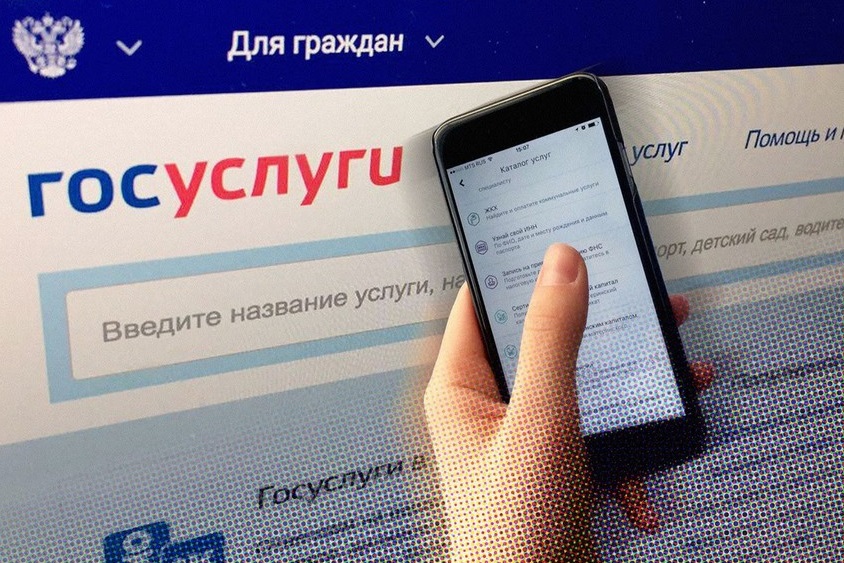
Irkutsk Region Pilots School Enrollment via Gosuslugi Portal | First Grade Admissions 2024
Russia’s Irkutsk Oblast (Приангарье) is piloting a streamlined school enrollment process via the Gosuslugi platform, allowing parents to pre-register children for first grade with automatic submission upon campaign launch. This initiative, part of a broader 17-region experiment, builds on a 300% increase in digital enrollment since 2022, impacting regional education budgets and creating opportunities for edtech solutions.
The move isn’t simply about convenience; it’s a significant data play. The Russian government is actively seeking to digitize public services, and education is a key target. This pilot program provides a testing ground for scalability, potentially influencing nationwide policy. The implications extend beyond parental ease of use. A centralized, digital enrollment system generates a wealth of demographic data – information crucial for resource allocation, school planning, and even identifying potential skill gaps in the future workforce. This data-driven approach, while efficient, also raises questions about data security and privacy, areas where specialized legal counsel is increasingly vital.
The Fiscal Implications of Digital Enrollment
The surge in digital enrollment, from roughly 3,300 students in 2022 to over 10,400 in the current academic year in Irkutsk Oblast alone, represents a substantial shift in administrative workload. While reducing paper-based processes lowers immediate costs, it simultaneously necessitates investment in robust IT infrastructure and cybersecurity measures. Schools must adapt to managing digital records, and regional education departments require systems capable of handling increased data volumes. This transition isn’t cost-free. According to a recent report by the Russian Ministry of Digital Development, Communications and Mass Media, investment in digital infrastructure for education is projected to reach 150 billion rubles by 2027.
the efficiency gains from digital enrollment could lead to pressure to optimize school placement algorithms, potentially impacting private school enrollment and creating ripple effects throughout the education sector. The increased transparency of the process also demands greater accountability from school administrations.
“We’re seeing a clear trend towards digitization across all sectors in Russia, and education is no exception. The key will be ensuring that the infrastructure can support the increased demand and that data privacy is paramount. This isn’t just about making things easier for parents; it’s about building a more efficient and data-driven education system.”
– Dimitri Volkov, Portfolio Manager, Renaissance Capital.
Supply Chain Bottlenecks and EdTech Demand
The rapid adoption of digital enrollment isn’t happening in a vacuum. Global supply chain disruptions, exacerbated by geopolitical tensions, are impacting the availability and cost of essential educational technology. From laptops and tablets for students to servers and networking equipment for schools, procurement challenges are mounting. This creates a critical necessitate for supply chain optimization and risk management solutions. Companies specializing in supply chain consulting are seeing increased demand from educational institutions seeking to navigate these complexities.
The demand for educational software and platforms is also surging. Interactive learning tools, online assessment systems, and data analytics platforms are becoming increasingly essential for modern education. This presents a significant opportunity for edtech companies, but also highlights the importance of interoperability and data security. Schools need solutions that seamlessly integrate with existing systems and protect sensitive student data.
The Legal Landscape: Data Privacy and Compliance
The digitization of school enrollment raises significant data privacy concerns. The collection and storage of personal information, including student names, addresses, and academic records, are subject to stringent regulations. Russia’s Federal Law No. 152-FZ “On Personal Data” outlines strict requirements for data processing, and protection. Schools and regional education departments must ensure compliance with these regulations to avoid hefty fines and reputational damage.
Navigating this complex legal landscape requires specialized expertise. Corporate law firms with a strong focus on data privacy and cybersecurity are well-positioned to advise educational institutions on compliance matters. They can assist with developing data protection policies, conducting risk assessments, and responding to data breaches.
The potential for data breaches is a growing threat. Cyberattacks targeting educational institutions are on the rise, and the consequences can be severe. Schools must invest in robust cybersecurity measures to protect student data from unauthorized access and misuse.
“The move to digital enrollment is a positive step towards modernization, but it also introduces new risks. Data privacy and cybersecurity must be top priorities. Schools need to work with legal experts and cybersecurity professionals to ensure they are adequately protected.”
– Elena Petrova, CEO, Digital Horizons (Russian EdTech Firm).
The Macroeconomic Outlook and Future Investment
The Russian government’s commitment to digitizing public services, including education, is a clear signal of its long-term economic strategy. The focus on technology and innovation is aimed at boosting productivity, improving efficiency, and attracting foreign investment. Yet, the current geopolitical climate and economic sanctions pose significant challenges.
Despite these challenges, the Russian edtech market is expected to continue growing in the coming years. According to a report by Mordor Intelligence, the Russian e-learning market is projected to reach $2.8 billion by 2029, growing at a CAGR of 12.5%. This growth will be driven by increasing internet penetration, rising demand for online education, and government support for digital initiatives.
The success of the Irkutsk Oblast pilot program will be closely watched by other regions across Russia. If the program proves effective, it could be rolled out nationwide, creating a significant opportunity for edtech companies and service providers.
The shift to digital enrollment in Russia isn’t merely a technological upgrade; it’s a fundamental restructuring of the education ecosystem. It presents both opportunities and challenges for businesses operating in the region. From supply chain management to data privacy compliance, specialized expertise is in high demand. The World Today News Directory connects you with vetted B2B partners ready to navigate this evolving landscape. Don’t let these shifts catch you unprepared – explore our directory today to identify the IT consulting firms and cybersecurity services that can help you thrive in the digital age.