Ireland’s Energy Crisis: Wind Power Growth Faces Grid Constraints and Storage Challenges
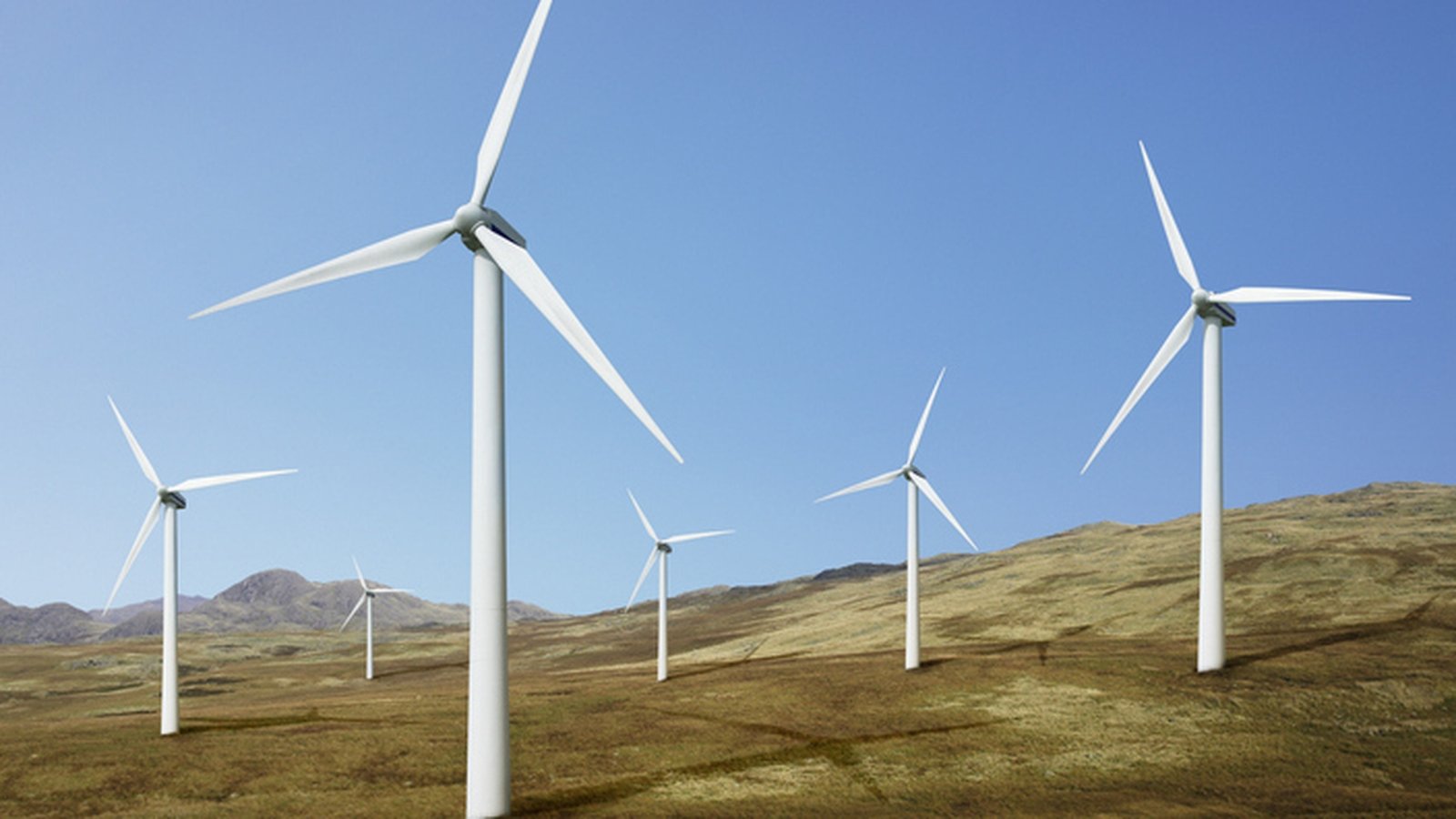
Wind generation provides a third of Ireland’s electricity, but grid constraints and a lack of storage left more than 13% of renewable power wasted in the first nine months of the year, according to EirGrid data.
Ireland’s electricity prices hit €0.38 per kWh in the first half of the year, ranking as Europe’s highest according to Eurostat data. Wholesale electricity prices more than doubled in the year to October, figures from the Central Statistics Office show.
The Government aims to double the share of renewables in electricity consumption to 80% by 2030, leaning heavily on wind energy. Wind generated 33% of the country’s electricity last year, according to industry group Wind Energy Ireland.
Yet the system struggles to absorb the supply. “Right now, there’s a technical limit to how much wind we can put on the system,” Dr Pádraig Lyons, head of the International Energy Research Centre at Tyndall National Institute at UCC, said.
Without adequate storage, reliance on fossil fuels climbs as high as 93% on calm days, according to Gas Networks Ireland. Energy Storage Ireland warns that if storage fails to keep pace with wind and solar development, wasted electricity could surge from 13% to between 35% and 40%.
Ireland has reached 1 GW of electricity storage capacity since 2018, primarily via grid-scale batteries. Statkraft opened the country’s first four-hour battery storage system in Offaly this year, while companies like ESB, RWE Renewables, and Greencoat Renewables operate other major battery sites.
Relying solely on lithium-ion batteries remains costly and short-term. “Most of the batteries operating today are relatively short-duration, typically from around 30 minutes to two hours,” said David Rossiter, Energy Storage Ireland’s Senior Communications and Public Affairs Specialist.
Long-duration options like pumped-hydro exist at Turlough Hill, but Dr Lyons said that suitable economic locations are scarce. Green hydrogen offers another theoretical avenue, though its round-trip efficiency loses 60% to 70% of the energy during conversion.
Google and Energy Dome announced plans earlier this year for a CO2 battery storage facility in Offaly.
“We are behind schedule,” Dr Paul Leahy, a lecturer in Wind Energy Engineering at University College Cork, said regarding the 2030 targets.
“It's not about competing against other users of the grid but about co-locating everything together and creating a win-win in energy efficiency,” Dr Paul Leahy, a lecturer in Wind Energy Engineering at University College Cork said