Iran’s Resilience to US Naval Blockade: Economic Impact, Oil Production & Global Implications
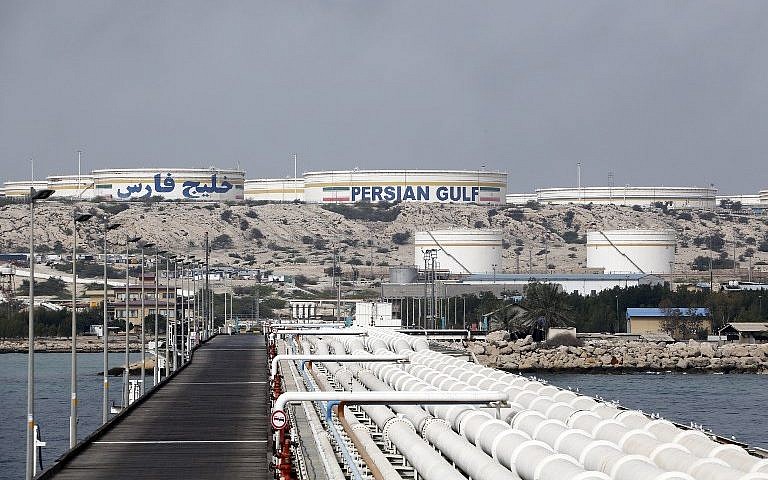
Iran’s oil exports remained above 1.5 million barrels per day in March despite renewed U.S. Naval presence in the Strait of Hormuz, according to tanker tracking data verified by maritime security analysts.
The figure, reported by Refinitiv and cross-checked with ship AIS signals by the Center for Strategic and International Studies, shows crude shipments from Kharg Island and other Iranian terminals averaged 1.52 million bpd last month — only 8% below the February average and well above the 1.2 million bpd floor cited by U.S. Officials as the threshold for effective blockade impact.
Analysts at Energy Aspects and Vortexa noted that Iranian crude continued to move via ship-to-ship transfers in international waters, particularly near Fujairah and the UAE’s offshore anchorage zones, where vessels disable transponders temporarily to avoid detection. These operations, while risky, have allowed Tehran to maintain export volumes despite increased U.S. Navy patrols guided by the USS Carney and USS Gonzalez, which began rotating through the strait in early March following renewed sanctions enforcement directives.
U.S. Central Command confirmed on April 5 that it had increased surveillance flights and surface patrols in the Gulf of Oman but declined to disclose specific interception numbers, stating only that “all commercial vessels remain subject to standard maritime security protocols.” Iranian officials, speaking through the Ministry of Petroleum’s press office, dismissed the patrols as “symbolic pressure” and reiterated that domestic refining capacity — now operating at 92% of 2.1 million bpd design throughput — absorbs sufficient crude to insulate the economy from export shocks.
Meanwhile, Iranian foreign ministry spokesperson Esmaeil Baghaei told state media on April 7 that Tehran continues to engage through backchannel communications with Omani and Qatari intermediaries to de-escalate tensions, though no formal talks have been scheduled. The U.S. State Department, when asked for comment, referred inquiries to the Treasury Department’s Office of Foreign Assets Control, which has not issued new licensing guidance on Iranian oil since February.
Satellite imagery analyzed by Planet Labs shows no significant buildup of naval assets beyond routine rotations, with U.S. Destroyer presence in the Hormuz corridor averaging 1.8 vessels per day over the past 30 days — consistent with levels seen during the 2023 sanctions period. Iranian naval forces, meanwhile, conducted a routine drill near Qeshm Island on April 3 involving fast attack craft and coastal missile units, which the IRGC Navy described as “defensive readiness exercises” unrelated to current tensions.
OPEC’s monthly report, released April 10, noted Iran’s compliance with voluntary production cuts remained at 60%, below the bloc’s 80% average, as Tehran prioritized revenue stability over quota adherence. The organization did not reference the U.S. Naval activity in its assessment of Iranian output trends.
No Iranian official has publicly acknowledged a decline in government revenue tied to oil exports since the naval posture shifted, and the Central Bank of Iran has not released updated foreign exchange reserve figures since February. The next scheduled budget review by Iran’s Parliament is set for May 12.