
Iran’s Oil Weapon: How Sanctions on the US Could Impact Gas Prices & Elections
Crude oil prices surged past $100 a barrel on Friday, March 20, 2026, as the effective closure of the Strait of Hormuz continued to disrupt global oil shipments, prompting concerns about a broader economic impact and raising questions about the upcoming US midterm elections. The disruption, a consequence of the ongoing conflict with Iran, has created a situation where Iran is effectively imposing economic sanctions on the United States, despite being the target of US sanctions.
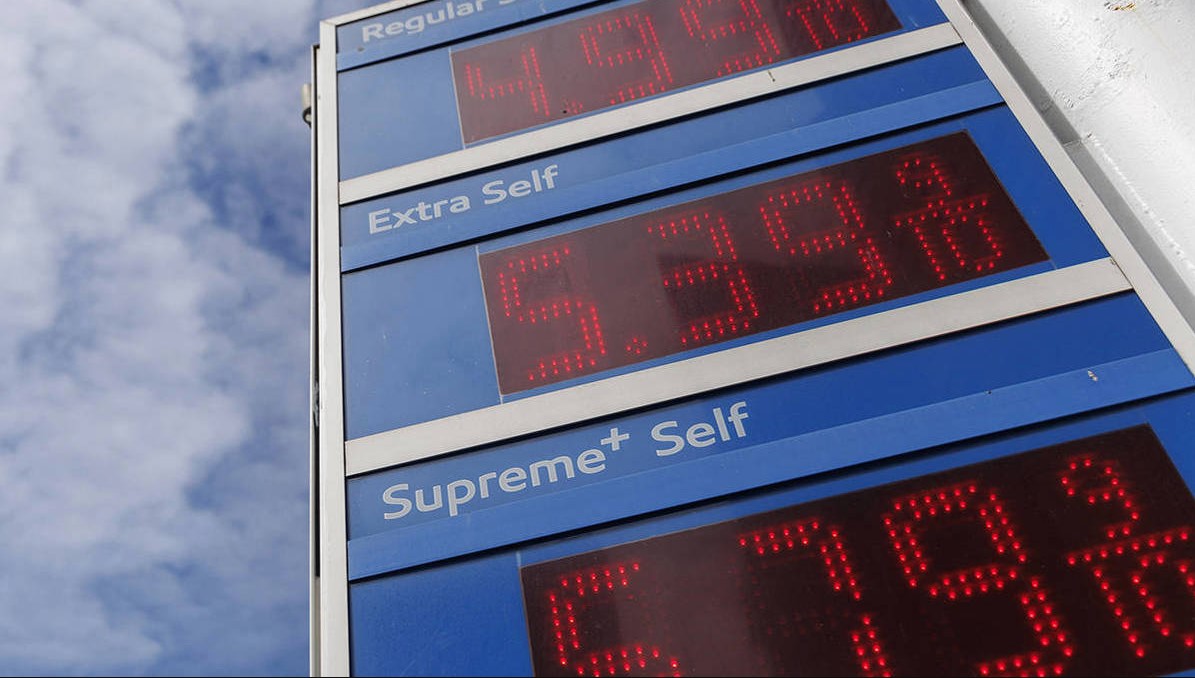
Whereas the United States typically does not rely heavily on direct crude oil imports from Persian Gulf nations – importing approximately 0.5 million barrels per day in 2024, representing about 7% of total US crude oil and condensate imports, according to the US Energy Information Administration – the interconnected nature of the global oil market means that price increases are immediately felt domestically. The price of on-highway diesel has risen by more than $1 per gallon since February 28, when US-Israeli strikes on Iran began, now exceeding $5 per gallon.
The impact of higher fuel prices is expected to be widespread. Market research suggests that supporters of President Donald Trump, who are statistically more likely to drive full-size pickup trucks, will be directly affected. Farmers face increased costs for diesel and fertilizer, while the airline industry is grappling with sharply higher jet fuel prices, which will likely translate to increased air travel costs. These price increases are expected to lower overall living standards as transportation costs influence the price of food and other goods.
The situation presents a significant challenge for the Federal Reserve. With Brent crude at or above $100 per barrel, the possibility of cutting interest rates becomes increasingly hard, raising concerns about a repeat of the inflationary pressures experienced in the 1970s under the chairmanship of Arthur Burns.
President Trump has signaled a willingness to de-escalate attacks on energy-related infrastructure, but maintaining the current economic pressure requires Iran to continue credibly threatening tankers in the Strait of Hormuz. Stopping US missile attacks alone will not necessarily resolve the Israel-Iran conflict or guarantee the safety of shipping lanes.
Reports indicate that Russia is actively encouraging Iran to continue its attacks, potentially providing targeting data for strikes against US assets and supporting Iran’s drone capabilities. Russia benefits from higher oil prices and may anticipate further relaxation of US sanctions against Russian oil as the conflict continues. The US has already begun to relax sanctions on Russian oil as the conflict escalated.
Robin J. Brooks of the Brookings Institution has proposed a US embargo on Iranian oil, arguing it could disrupt oil flows to China and incentivize Chinese diplomatic engagement. Yet, China has substantial oil reserves, holding around 100 days of imports, raising questions about which nation could withstand the economic damage for a longer period.
Other proposals, including a suggestion from former Speaker of the US House of Representatives Newt Gingrich to construct a new canal using nuclear detonations, have been floated. However, such a project would be vulnerable to Iranian missile attacks, given their range extends to facilities in Saudi Arabia.
Integrating Ukrainian anti-drone capabilities to secure the Strait of Hormuz has as well been considered, but Russia is likely to prioritize keeping Ukrainian experts engaged within Ukraine. Increased oil revenue for Russia would enable further investment in drone and missile production, exacerbating the conflict in Ukraine.
Scaling up US and NATO anti-drone capabilities is also under consideration, with MIT’s Priority Technology Group having worked on relevant technologies for several years. Such an effort could stimulate manufacturing jobs and strengthen supply chains in the US, Europe, and allied nations.
However, implementing any of these countermeasures will take time. With economic pain mounting in the US and the midterm elections approaching, Iranian leaders likely believe time is on their side.