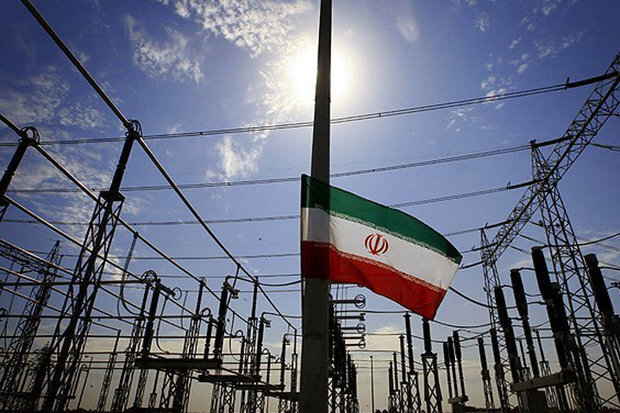
Iranian Energy Ministry implements 60 measures for winter power
Thermal power plants across Iran rely on natural gas for more than 80 percent of their consumption, creating seasonal supply vulnerabilities as winter approaches. To counteract potential fuel shortages, the Iranian Energy Ministry is implementing 60 operational measures to secure stable electricity supplies.
Liquid Fuel Reserves Remain Stable for Winter
Liquid fuel reserves at power plants remain at satisfactory levels heading into the cold season, according to electricity industry spokesman Ehsan Zabihzadeh. Most facilities are designed to operate primarily on gas, with liquid fuels serving as a backup to improve grid reliability and offset potential gas supply constraints. Liquid fuel stocks are roughly even with last year’s strong reserves. Storage capacity is expected to reach maximum levels in the coming weeks with assistance from the Oil Ministry. Maintaining reliable power throughout the winter depends on continued gas allocations and timely liquid fuel deliveries. Authorities have designated a roughly 100-day preparedness window beginning in mid-December.
Operational Measures Address Damaged Gas Infrastructure
Attacks attributed by Iranian officials to Israel and the United States have damaged gas supply infrastructure, reducing part of the country’s gas supply capacity compared to last year, Oil Ministry officials stated. To manage the 100-day winter period with minimal disruption, the electricity sector formulated 60 operational measures. These steps include completing essential power plant maintenance on schedule, accelerating renewable energy development to increase generation without fuel consumption, and advancing maintenance at the country’s nuclear power plant so it returns to service at the start of the cold season. Authorities are also optimizing hydropower generation, improving thermal efficiency to reduce diesel consumption in northern Iran, and focusing on grid and transmission corridor maintenance to prevent bottlenecks.
Conservation Helps Manage Electricity Demand
Energy conservation remains a priority for managing consumption and maintaining reliable electricity supplies. Government agencies and public institutions must lead by example in conserving energy, while all electricity and gas consumers share responsibility for managing demand, Zabihzadeh stated. Reducing consumption lessens the impact of potential fuel shortages, and officials stress that conservation should extend beyond the winter months as a long-term practice.
Balancing grid loads during extreme seasonal temperatures requires coordinated structural adjustments across both generation and transmission vectors.