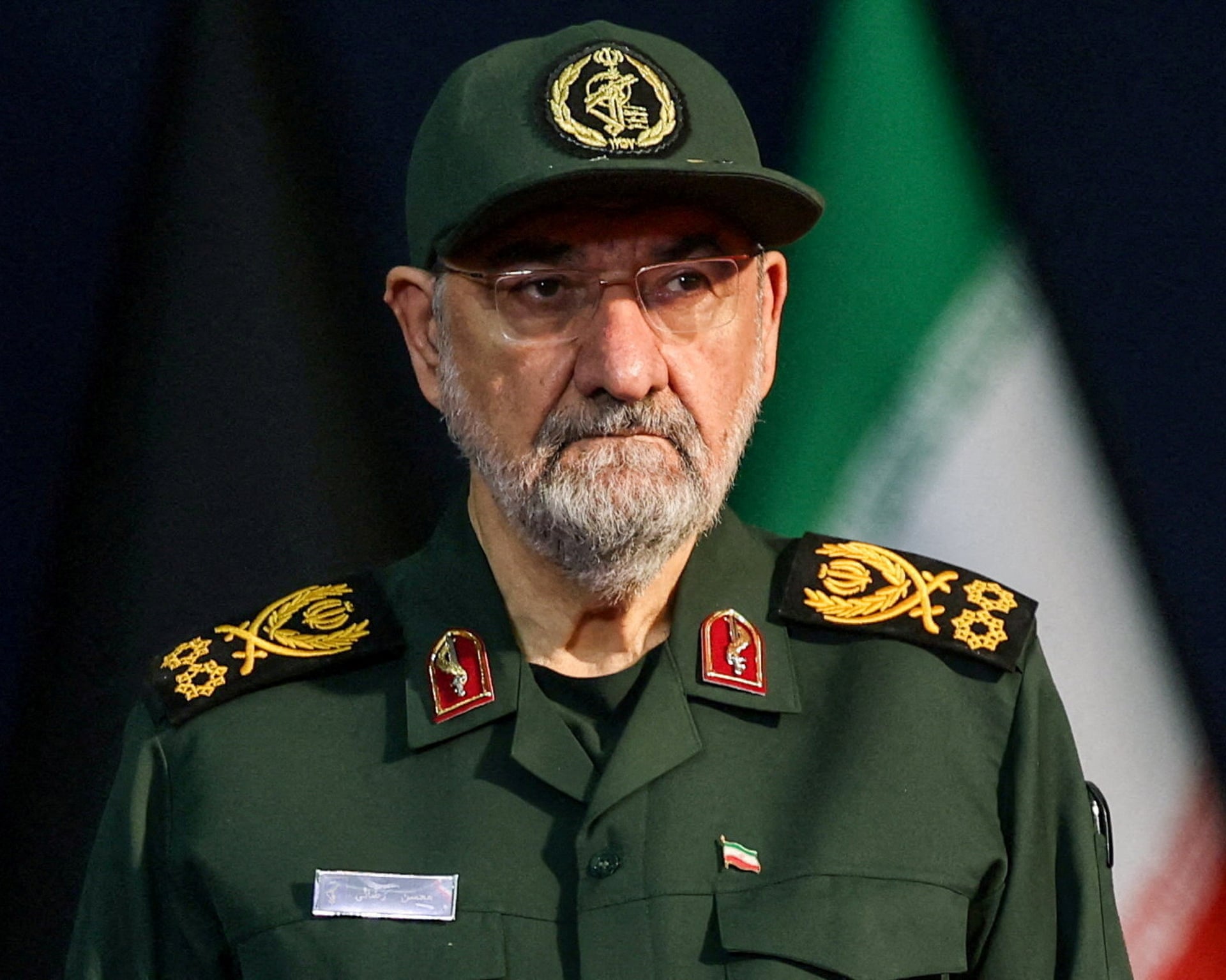
Iran Warns of Wider Regional Strikes on Oil, AI, and Undersea Cable Facilities Amid US Tensions
Iran will target oil facilities, undersea cables, data centers, and artificial intelligence infrastructure across as many as seven Gulf countries if a fresh United States-Israeli military campaign breaks out, Mohsen Rezaei, secretary of Iran’s Supreme National Security Council, warned.
While US military advisers have reportedly drawn up target lists for a joint assault following the November 3 midterm elections, and US Defense Secretary Pete Hegseth met with Benjamin Netanyahu in Israel on Monday to discuss timing and objectives, Iranian officials have signaled an expansive retaliation strategy. Rezaei stated that Tehran has not yet included critical technological assets in its direct target bank, but cautioned that a full-scale confrontation would lead to their destruction.
Undersea Cables and Technological Infrastructure in the Crosshairs
Iranian officials have specifically highlighted the vulnerability of regional communications corridors. The Islamic Revolutionary Guard Corps (IRGC) drew attention to seven major undersea internet cables running beneath the Strait of Hormuz, which carry significant global internet traffic and commercial data. IRGC spokesman Hossein Mohebbi stated that new targets and weapons would be unveiled if hostilities resumed, warning that the IRGC’s operational surprises would become apparent upon escalation.
Mehdi Mohammadi, an adviser to Mohammad Ghalibaf, who led Iran’s negotiations with the US to end the conflict between the two countries, described any renewed conflict as an existential threat to the country, declaring a strategy of “zero red lines.” Mohammadi asserted that a renewed war would break temporal and spatial dimensions, continuing longer and across a broader geographic area than anticipated by adversaries.

Strait of Hormuz Disruptions and Commercial Shipping
The maritime choke point has also seen physical casualties from previous incidents, including the Singapore-flagged GFS Pride sinking near the Strait of Hormuz off the coast of Oman on October 14, leaving floating containers and debris in the water. The corridor was previously heavily impacted by closures following the initial outbreak of conflict between the US, Israel, and Iran on February 28.
International Mediators Meet in Istanbul to Forestall Wider War
Against the backdrop of military positioning, international mediators continue attempts to forestall a wider war. Foreign ministers from Turkey, Saudi Arabia, Pakistan, and Egypt, alongside three European countries, are scheduled to meet in Istanbul on Friday to establish coordinated policies on the interconnected Iranian, Yemeni, and Palestinian crises. Concurrently, Pakistani Chief of Defence Forces and Chief of Army Staff Field Marshal Asim Munir traveled to Tehran on Tuesday for high-level talks with Iranian President Masoud Pezeshkian and Parliament Speaker Mohammad Ghalibaf, continuing Islamabad’s diplomatic mediation efforts.
Negotiations face severe friction over preconditions. While Iranian and Pakistani mediators explored ceasefire frameworks—including proposals for Iran to receive billions in frozen assets in exchange for lifting the Strait of Hormuz blockade, permitting UN inspections of bombed nuclear sites, and exporting enriched uranium—Tehran maintains that negotiations remain stalled. Ghalibaf stated that Washington cannot win Iranian trust unless it fulfills specific conditions, including lifting US sanctions, before talks on the nuclear file can restart.