
Iran War Sends Airline Stocks Plunging: $80 Billion Lost Globally
Global airline stocks have collectively lost an estimated $53 billion (approximately 80 trillion Korean Won) in value following the escalation of tensions in the Middle East and a subsequent surge in oil prices, according to reports from the Financial News.
The crisis, triggered by recent events in Iran, has sent shockwaves through the aviation industry. Airlines are grappling with rapidly increasing operational costs, forcing many to raise ticket prices – a move that is already leading to a decline in passenger numbers. The double impact of higher expenses and reduced demand is creating a challenging environment for carriers worldwide.
The impact is particularly acute for airlines operating long-haul international routes, as they face disruptions to key transit hubs in the Gulf region, including Dubai. These airlines are now scrambling to identify and secure alternative flight paths.
European low-cost carriers, such as Wizz Air and easyJet, are also facing significant headwinds. These airlines are being targeted by short-sellers betting against their stock, contributing to sharp declines in their share prices. According to Kenton Jarvis, CEO of easyJet, the current increase in fuel costs is even greater than that experienced during the Russian invasion of Ukraine in 2022.
Jarvis described the current period as the most hard since the global lockdowns of 2020, when most aircraft were grounded due to the pandemic. The price of aviation fuel has already surpassed levels seen during the initial stages of the Ukraine war, having doubled in price over the past month. Aviation fuel accounts for approximately one-third of an airline’s total operating costs.
Carsten Spohr, CEO of Lufthansa, stated that raising fares is the only viable solution to absorb the escalating fuel costs. He noted that the average profit per passenger is currently only 10 euros (approximately 17,000 Korean Won), leaving little room to absorb further increases in expenses.
The industry is bracing for a potential decline in demand as higher fares and geopolitical uncertainty deter travelers. The post-pandemic surge in travel, fueled by pent-up demand, appears to be over.
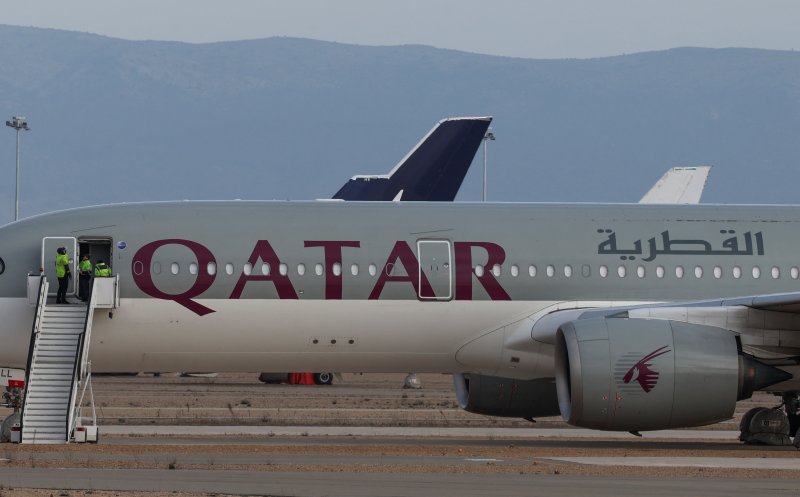
While Middle Eastern carriers like Emirates, Etihad, and Qatar Airways are expected to weather the storm with the support of their governments, smaller, privately-owned low-cost airlines in the region are facing a potential crisis and possible bankruptcy.