Iran Threatens Regional Infrastructure as Trump Vows Strikes on Oil Facilities
Iran’s military issued a stark warning Sunday, threatening strikes against the energy and technology infrastructure of the United States and its regional allies if its own facilities are targeted, escalating tensions following a U.S. Presidential vow to retaliate for disruptions to shipping in the Strait of Hormuz.
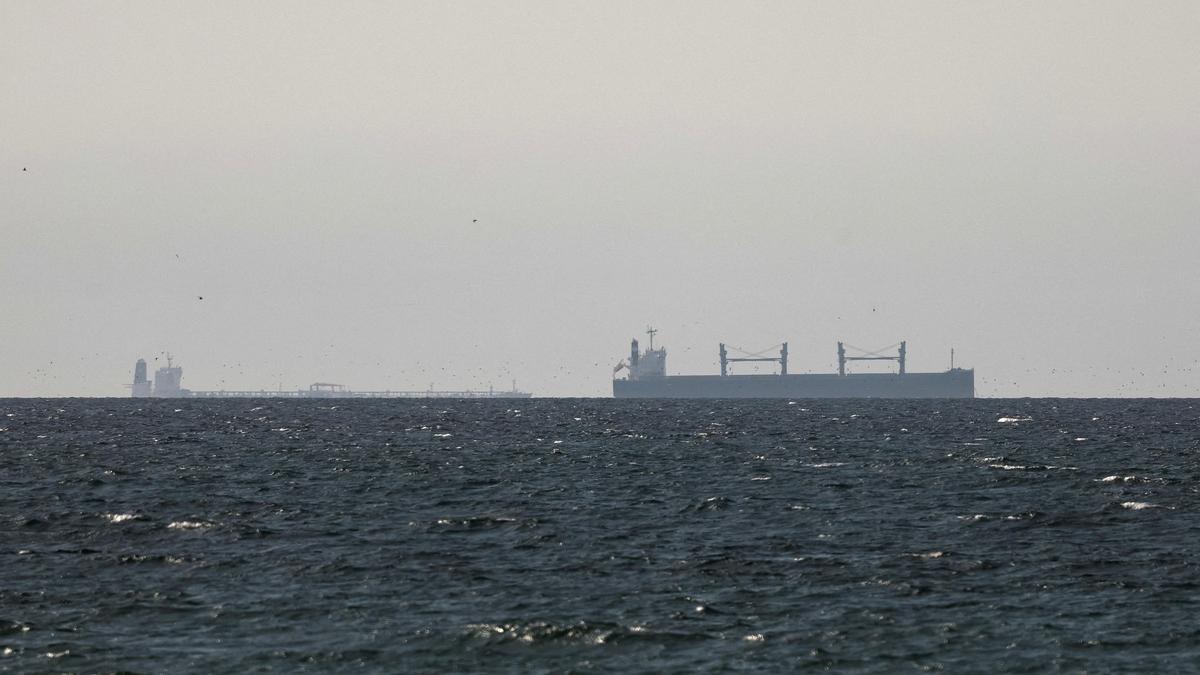
The threat, delivered by the Iranian military’s operational command Khatam Al-Anbiya and reported by the Fars News Agency, came in response to a 48-hour ultimatum issued by U.S. President Donald Trump demanding the reopening of the vital waterway. Iran had effectively closed the Strait in response to the ongoing conflict in West Asia.
“Following previous warnings, if Iran’s fuel and energy infrastructure is violated by the enemy, all energy, information technology and desalination infrastructure belonging to the U.S. And the regime in the region will be targeted,” the Iranian military statement read.
The Strait of Hormuz, a narrow passage between Iran and the Musandam Peninsula – shared by the United Arab Emirates and Oman – is a critical choke point for global energy supplies. According to a 2023-2025 estimate, approximately 20% of the world’s liquefied natural gas (LNG) and 25% of all seaborne oil trade transits the strait annually. Disruption to the strait could cause severe supply shortages, particularly for nations reliant on Gulf oil, including Qatar, Kuwait, and Bahrain.
The United Arab Emirates has expressed strong condemnation of Iran’s actions, welcoming a recent decision by the International Maritime Organization’s (IMO) Council to denounce Iranian threats and attacks against vessels, as well as the purported closure of the Strait. The UAE co-sponsored a declaration at the IMO, garnering support from over 115 member states – a record number of co-sponsors, highlighting the international concern over the situation.
The IMO Council’s decision demands that Iran immediately cease any actions that impede international navigation through the Strait of Hormuz, reaffirming the right of merchant and commercial vessels to free passage. The council also underscored the importance of seafarer safety and referenced UN Security Council resolution 2817 (2026), which considers any attempt to obstruct transit through international waterways a threat to international peace, and security.
The UAE has indicated a willingness to participate in a U.S.-led effort to secure the Strait of Hormuz, according to an advisor to the Emirati government. This potential involvement follows Iran’s actions, which have prompted widespread international concern and a heightened U.S. Military presence in the region.
The shipping lanes within the Strait of Hormuz are primarily located in Omani territorial waters, with a portion extending into Iranian waters, but are governed by international maritime law and the United Nations Convention on the Law of the Sea (UNCLOS).