Iran Threatens Military Escalation Over US Peace Deal Failure
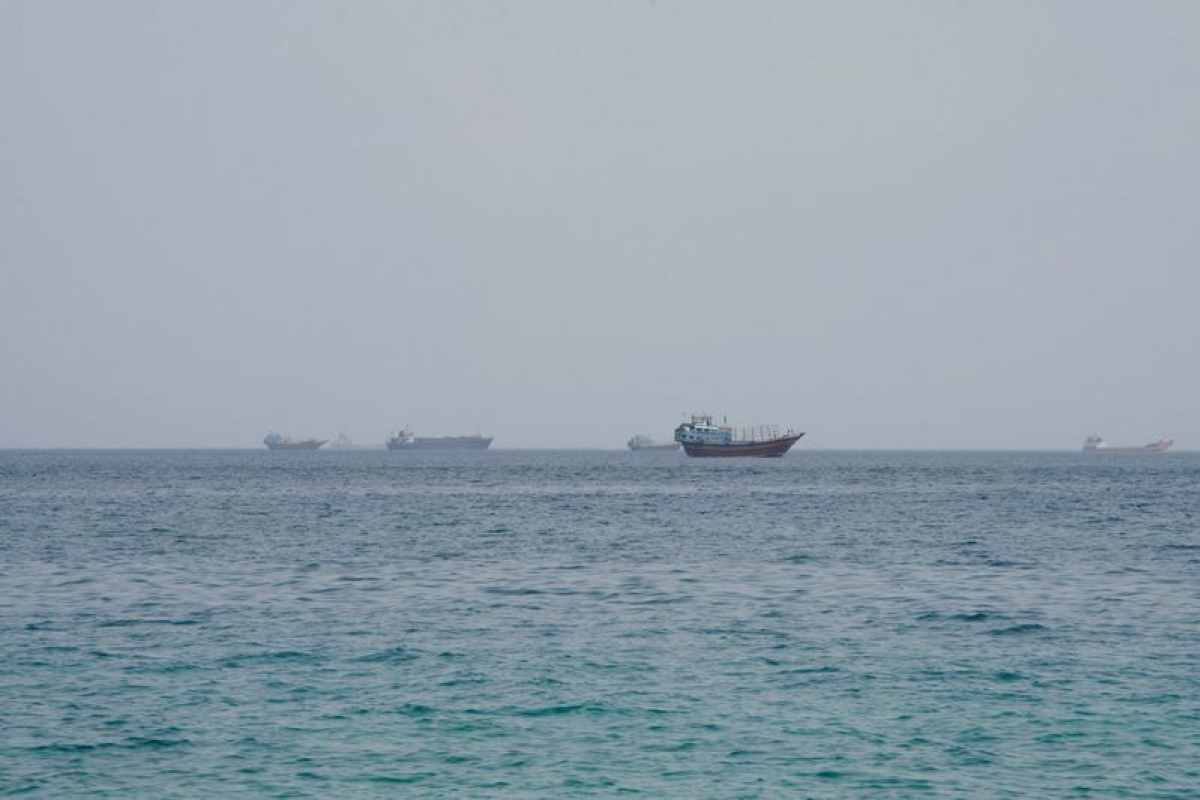
Strait of Hormuz Faces Imminent Military Threat
On August 17, a senior Iranian official warned Reuters that Tehran will increase tensions in the Strait of Hormuz and launch an opportunistic military attack if the United States fails to implement a provisional peace agreement within a strict window of weeks. The diplomatic standoff threatens global energy shipping lanes and international supply chains.
The current crisis marks the 60th day since Washington and Tehran signed a provisional framework in June designed to halt military operations and jump-start broader negotiations over Iran’s nuclear program. That preliminary understanding quickly unraveled. According to statements reported by Reuters, President Donald Trump declared the accord terminated on July 7, prompting the Iranian Foreign Ministry to announce its formal suspension a week later.
Diplomatic Channels Stall Amid Hardened Rhetoric
Diplomatic channels mediated by regional partners have completely stalled. Abbas Araqchi, the Iranian foreign minister, previously noted that Tehran and Oman were close to establishing a new maritime route across the critical waterway. Yet, no formal finalization materialized. Instead, rhetoric has hardened significantly across both capitals.
Washington has taken an uncompromising stance against the Iranian regime. In a telephone interview with Fox News, President Donald Trump urged Tehran to surrender, utilizing sharp language regarding regional mediation efforts. According to Reuters, the U.S. Treasury Secretary has simultaneously warned the Iranian leadership of an unprecedented economic isolation campaign if diplomatic compliance is not restored.
Tehran Pivots Away From Defensive Posture
Téhéran is actively pivoting away from a defensive posture. The unnamed senior Iranian official told Reuters that counting on mediators or pressuring Washington for a permanent cease-fire is no longer realistic. Consequently, Iranian entities are bracing for a sharp escalation designed to bypass the American naval blockade.
Global commodity markets face immediate vulnerability from these developments. Roughly one-fifth of the world’s petroleum transits through the narrow shipping channel.
Global Supply Chains and Energy Markets Brace
Fortifying Operational Resilience Amid Rising Risks
The convergence of a broken 60-day diplomatic deadline and direct military threats leaves little room for maneuver. As Tehran transitions toward a more aggressive operational posture, global firms must fortify their operational resilience.
