
Iran Threatens Gulf Infrastructure After Trump’s Warning | DW
Iran’s military warned Sunday it would retaliate against regional infrastructure if the United States acts on threats to target Iranian energy facilities, escalating tensions following a recent exchange of missile strikes between Iran and Israel.
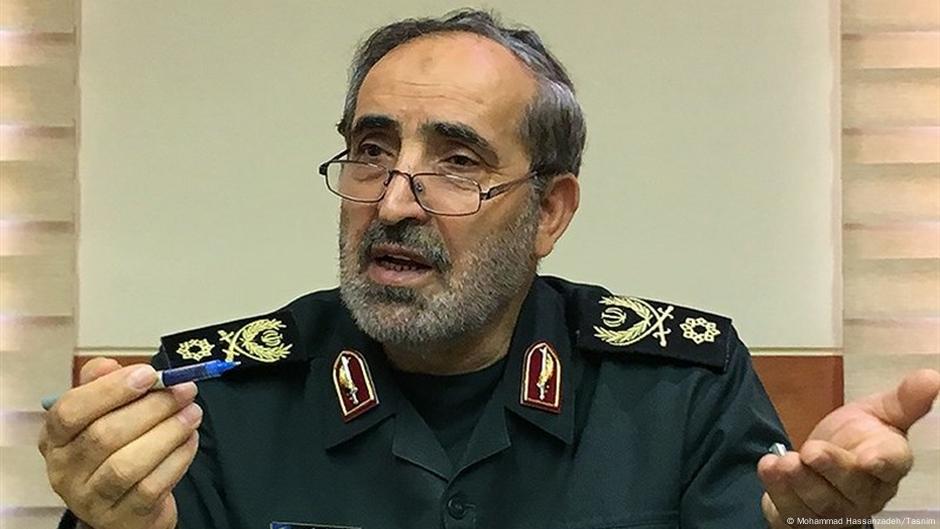
“If the enemy violates Iran’s fuel and energy infrastructure, all energy, information technology and desalination infrastructure of the United States and the regime in the region will be targeted,” a statement from Khatam Al Anbiya, the Iranian military’s operations command, said according to the Fars news agency. The warning followed a 48-hour ultimatum issued by U.S. President Donald Trump demanding Iran reopen the Strait of Hormuz, which has been effectively closed since the start of the conflict in the Middle East.
The tit-for-tat threats came after Iran launched missiles Saturday night at the Israeli cities of Arad and Dimona, locations housing sensitive nuclear facilities. Israeli sources reported 84 people were injured in Arad and 33 in Dimona.
Israel, widely believed to be the sole nuclear power in the Middle East, maintains a policy of “strategic ambiguity” regarding its nuclear arsenal, neither confirming nor denying its existence. The Dimona facility is officially described as a nuclear research and energy supply center, though foreign press reports have alleged it has been involved in the production of atomic weapons for decades. Damage in Arad, located 25 km northeast of Dimona, included destroyed buildings in a residential area, according to local media.
Israeli Prime Minister Benjamin Netanyahu vowed to continue attacks “on all fronts.”
Iran claimed responsibility for the missile launches, stating they were in “response” to an “enemy” attack on the Natanz complex in central Iran. Iranian officials reported no evidence of “radioactive material leakage” at the site.
The closure of the Strait of Hormuz, a vital waterway for global oil transport, has already driven up petroleum prices, according to CNN reporting. Iran controls the northern portion of the strait and has maintained its own oil flow through it despite the conflict, controlling access to the passage. The United Nations’ maritime agency has urged all parties to de-escalate the conflict and advised shipping companies to avoid the strait, noting approximately 20,000 mariners remain trapped in the region. At least seven mariners have been killed and several injured in recent attacks near the strait, the agency reported.
According to the UK Maritime Trade Operations (UKMTO), there have been at least 14 reports of attacks on ships in the Persian Gulf and near the Strait of Hormuz since the start of the U.S.-Israel-Iran war. The waterway remains under a “critical” threat, though no attacks have been reported in the last six days.
The conflict has also impacted oil production in the Middle East, further contributing to rising prices, which have reached levels not seen since mid-2022, when Russia’s invasion of Ukraine disrupted global markets.