
Iran Strikes Israel: Missile Hits Dimona Nuclear Facility – Retaliation for Natanz Attack
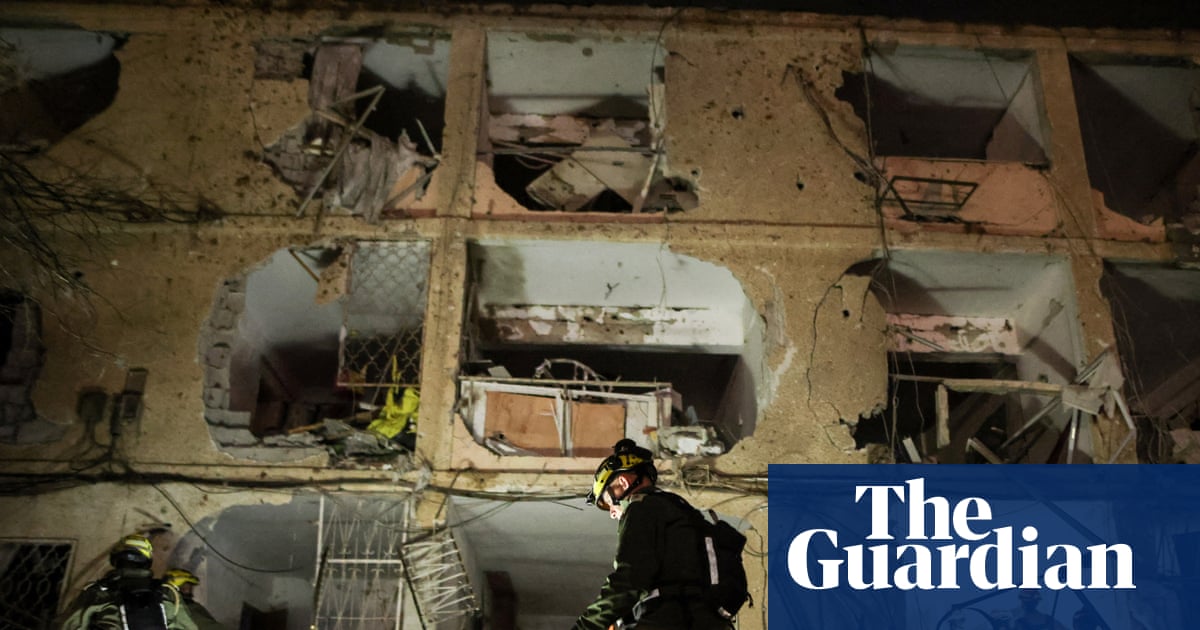
Dimona, Israel – An Iranian missile struck the Israeli town of Dimona on Saturday, targeting an area near a heavily guarded nuclear facility, in what Iranian state media described as retaliation for recent strikes on its Natanz enrichment complex. The attack, which injured at least 33 people including a 10-year-old boy with serious shrapnel wounds, marks a significant escalation in regional tensions and raises concerns about the potential for further conflict.
The Israeli military confirmed a “direct missile hit on a building” in Dimona, a town widely believed to house the Middle East’s sole nuclear arsenal, though Israel has never officially acknowledged possessing such weapons. Paramedics reported “extensive damage and chaos” at the scene, treating casualties at multiple locations, according to The Times of Israel.
Iran’s atomic energy organisation had previously accused the United States and Israel of orchestrating the attack on the Natanz facility, which hosts underground centrifuges used for uranium enrichment. Still, officials stated that “no leakage of radioactive materials [was] reported,” according to reports. The Natanz complex was likewise targeted in an attack last June, causing significant damage.
Following the Dimona strike, the Israeli military stated that “interception attempts were carried out,” but did not elaborate on the success rate. Images circulating in Israeli media showed a fast-moving object descending before impacting the town. Simultaneously, Israel announced it had struck a facility within a Tehran university, alleging it was “utilised by the Iranian terror regime’s military industries and ballistic missiles array to develop nuclear weapon components and weapons.”
The escalating exchange occurs against a backdrop of three weeks of sustained US-Israeli military activity targeting Iranian interests across the region. Despite this pressure, Iran has demonstrated a capacity to retaliate with missile and drone attacks. The United Arab Emirates also reported facing aerial attacks on Saturday, following a warning from Iran against allowing attacks originating from its territory targeting disputed islands near the Strait of Hormuz.
The situation has prompted concerns about the security of the Strait of Hormuz, a vital waterway for global crude oil trade. Iran has effectively restricted passage through the strait, prompting a response from the United States. Admiral Brad Cooper, head of US Central Command, revealed that US warplanes had destroyed an underground facility on Iran’s coast storing anti-ship cruise missiles and related equipment, as reported by The Media Line. Cooper added that intelligence support sites and missile radar relays used to monitor ship movements were also destroyed.
A joint statement from the UK, France, Italy, Germany, South Korea, Australia, the UAE, and Bahrain condemned Iran’s “de facto closure of the strait of Hormuz” and expressed a willingness to contribute to efforts ensuring safe passage. Former US President Donald Trump has publicly criticized NATO allies, urging them to secure the strait.
Crude oil prices have surged in response to the heightened tensions, with North Sea Brent crude climbing over 50% in the past month to exceed $105 per barrel. Analysts suggest that Iran’s government has demonstrated unexpected resilience in the face of recent losses and strikes, with The Guardian reporting that Neil Quilliam of Chatham House noted Iran’s “deep roots” and unexpected durability.
As the conflict enters its fourth week, coinciding with the end of Ramadan, the traditional Eid al-Fitr prayers were led by the head of the judiciary, Gholam-Hossein Mohseni-Ejei, rather than Iran’s supreme leader, Mojtaba Khamenei, who assumed power earlier this month following the reported death of his father, Ali Khamenei, and has remained largely out of public view. The atmosphere in Tehran was described as a mix of anticipation for the modern year and anxiety over the ongoing conflict.