)
Iran Rules Out Negotiation on Ballistic Missile Program
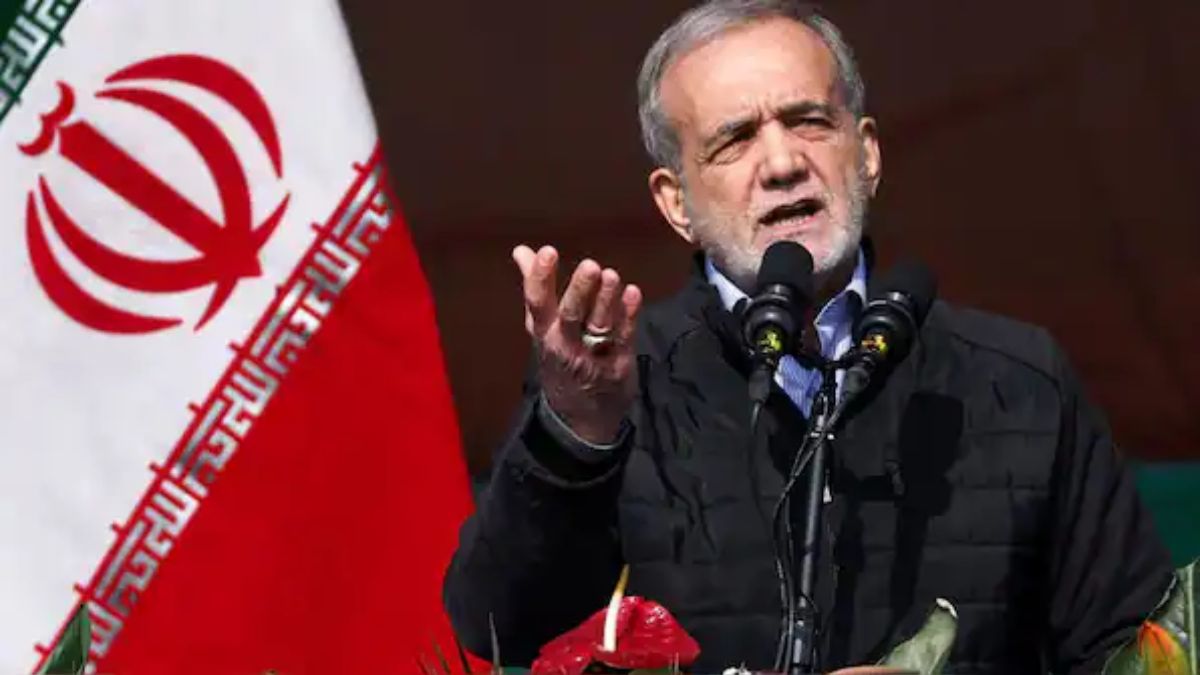
Iranian President Masoud Pezeshkian stated during an official visit to Pakistan that his country’s ballistic missile program is not subject to negotiation. Speaking alongside Pakistani Prime Minister Shehbaz Sharif, Pezeshkian emphasized that Iran’s defense capabilities remain a non-negotiable aspect of national policy, rejecting external pressure to curtail the program.
Stance on Missile Diplomacy

President Pezeshkian’s remarks serve as a direct response to international calls for Iran to limit its missile development. According to reports from Al Jazeera and Firstpost, the Iranian leader maintained that the country’s ballistic assets are essential for regional security and are not on the table for any diplomatic discussions. This position aligns with Tehran’s long-standing policy of maintaining its military autonomy, despite ongoing tensions with Western nations regarding its defense sector.
Clarification of Diplomatic Agreements
The visit also served to address public claims regarding the scope of Iran’s international commitments. Prime Minister Shehbaz Sharif explicitly rejected recent assertions made by U.S. Senator Marco Rubio, who had suggested that Iran’s ballistic missile program was part of a Memorandum of Understanding (MoU) between Iran and the United States.
According to WION, Prime Minister Sharif clarified that the missile program was not included in any such agreement. The Pakistani leadership’s intervention aimed to decouple the bilateral discussions taking place in Islamabad from broader, contentious debates occurring in Washington regarding Iranian military capabilities.
Regional Peace and Cooperation
Beyond the specific issue of missile policy, both leaders focused on the necessity of maintaining regional stability. According to Dawn, the two delegations vowed to resist “spoilers” who seek to undermine peace in the region. The meeting underscored a shared intent to strengthen economic and security ties between Islamabad and Tehran, emphasizing the importance of bilateral coordination in the face of what the leaders termed external interference.
The visit concluded with both nations reaffirming their commitment to mutual security cooperation, though the divide between Iran’s stated refusal to negotiate its missile capabilities and the persistent external demands for such limitations remains unresolved.