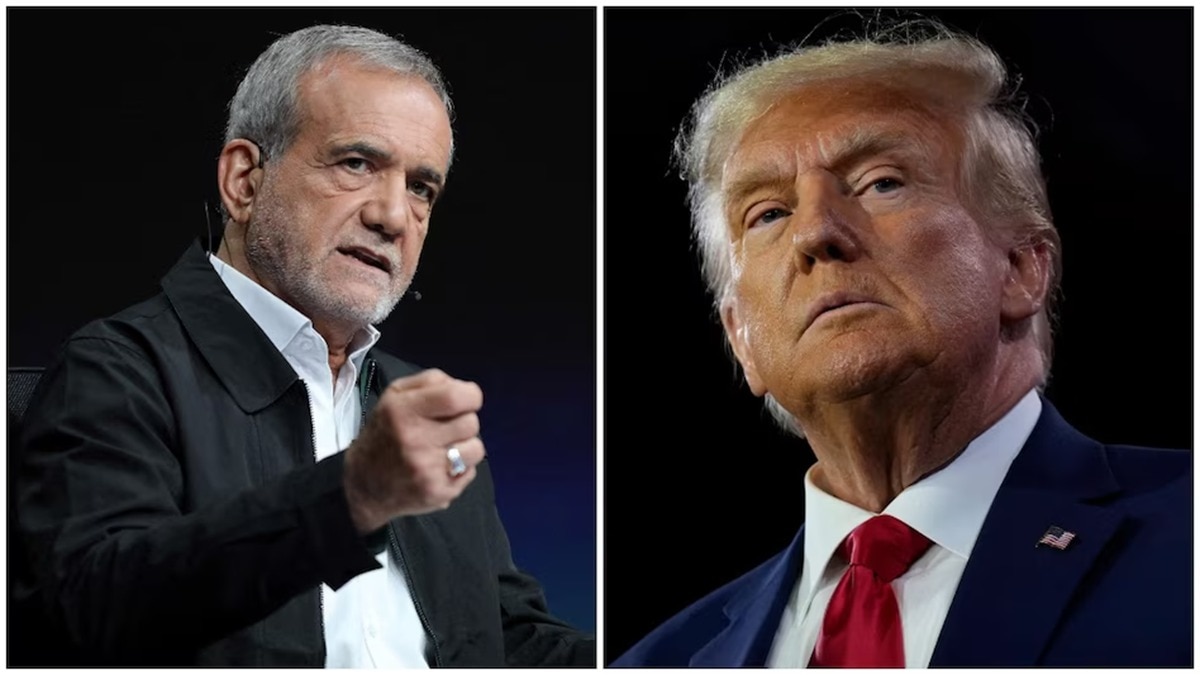
Iran Retaliates to Trump’s ‘Stone Age’ Remark | Ancient Civilisation Reference
Iranian leadership formally rejected U.S. Threats on April 3, 2026, following remarks by President Trump and Secretary Hegseth. President Masoud Pezeshkian asserted that civilizations survive bombardment, citing historical resilience. This exchange escalates Middle East tensions, impacting global energy markets and regional security protocols immediately.
The rhetoric landed hard this morning. Words like “Stone Age” carry weight when they come from the Pentagon. They carry even more weight when the target is a nation with millennia of history etched into its soil. Iran’s response was not merely diplomatic; it was historical. President Pezeshkian reminded the world that culture outlasts concrete. Bombs can destroy infrastructure, but they cannot erase identity. This distinction matters now more than ever.
The Escalation Timeline and Strategic Posturing
By early April 2026, the geopolitical landscape had already shifted. The renewed comments from the White House and the Department of Defense signaled a hardline approach to nuclear negotiations. Secretary Hegseth’s implication that military force could revert a modern nation to a primitive state ignored the complexities of asymmetric warfare. Iran’s counterstatement focused on endurance. They are not just a government; they are a continuum.
Market reactions were swift. Oil futures fluctuated within minutes of the press briefing. Traders in London and New York watched the spreads widen. This volatility creates immediate risks for logistics companies and energy distributors. Businesses relying on stable fuel prices must now reassess their hedging strategies. The uncertainty is not just about war; it is about supply chain continuity.
Regional allies are monitoring the situation closely. Neighboring jurisdictions are reviewing their own defense postures. The ripple effect touches municipal budgets in countries far removed from the Persian Gulf. Insurance premiums for maritime shipping in the Strait of Hormuz are already adjusting. Risk assessment is no longer a quarterly review; it is a daily necessity.
“Historical precedence shows that kinetic action often solidifies nationalistic resolve rather than diminishing it. We are seeing a classic miscalculation of cultural durability versus military capability.”
— Dr. Sarah Jenkins, Senior Fellow, Institute for Strategic Geopolitics
Dr. Jenkins’ analysis highlights the core problem. Military threats often unify the targeted population. For businesses operating in the region, this means civil unrest becomes a tangible operational hazard. Security protocols need upgrading. It is not enough to have guards; you need intelligence-led security consultants who understand the local political temperature. The difference between a disrupted shipment and a lost asset often lies in proactive risk management.
Economic Implications for Global Trade
The immediate concern for international commerce is the Strait of Hormuz. Approximately twenty percent of the world’s oil consumption passes through this choke point. Any disruption here sends shockwaves through global economies. Local municipalities dependent on fuel imports may face budget shortfalls. Energy costs drive inflation. Inflation drives social instability.
Companies with exposure to the region must audit their contracts. Force majeure clauses are being scrutinized by legal teams worldwide. international trade attorneys are reporting a surge in consultations regarding liability and contract suspension. Navigating these legal complexities requires specialized knowledge. General practice firms often lack the nuance needed for sovereign immunity cases or wartime trade regulations.
sanctions compliance becomes a minefield. As tensions rise, regulatory bodies tighten restrictions. A transaction legal yesterday might be prohibited today. Compliance officers are working around the clock to ensure their organizations do not inadvertently violate new executive orders. The cost of non-compliance exceeds the cost of counsel.
Historical Context vs. Modern Warfare
President Pezeshkian’s reference to civilization was specific. Iran is home to some of the oldest continuous societies on Earth. The Persian Empire predates many modern concepts of statehood. This historical depth provides a psychological buffer against external threats. The narrative of resilience is powerful domestically. It mobilizes public sentiment.
Modern warfare relies on precision. However, precision does not guarantee political success. The Associated Press has documented similar historical patterns where technological superiority failed to achieve strategic objectives. The lesson is clear: physical destruction does not equate to capitulation. This reality complicates military planning and diplomatic outreach.
For the average citizen, this rhetoric translates to anxiety. Travel advisories are being updated. Expatriate communities are reviewing evacuation plans. The human element of geopolitics is often overlooked in high-level analysis. Families need reliable information. They need crisis management firms that specialize in personnel extraction and safe passage. When governments issue warnings, private sector support becomes the safety net.
Infrastructure and Regional Stability
Beyond the immediate conflict, there is the issue of infrastructure resilience. Power grids, water systems and communication networks are vulnerable. Municipal leaders in adjacent regions are evaluating their own critical infrastructure hardening. Cybersecurity threats often accompany kinetic tensions. Digital defenses must be as robust as physical ones.
The Department of Energy regularly updates guidelines on protecting critical infrastructure. These guidelines are essential reading for utility providers and industrial operators. Ignoring them invites catastrophe. The intersection of physical security and digital integrity is where modern vulnerabilities lie.
Regional economies are interconnected. A conflict in one sector affects agriculture, technology, and finance. Diversification is the only hedge. Nations relying heavily on single-export commodities are most at risk. Economic planners are looking at ways to decouple from volatile regions. This shift takes years, but the planning starts today.
The Path Forward for Businesses and Civilians
What happens next depends on diplomatic channels remaining open. Backchannel communications are likely active despite public posturing. However, businesses cannot rely on diplomacy alone. They must prepare for multiple scenarios. Continuity planning is no longer optional. It is a fiduciary duty.
Investors are seeking stability. Capital flows away from uncertainty. Regions perceived as safe havens will see influxes of investment. Conversely, exposed markets may face capital flight. Financial advisors are rebalancing portfolios to account for geopolitical risk premiums. The cost of stability is rising.
Verification of information is critical. In times of tension, misinformation spreads rapidly. Relying on official government travel advisories and established news wires is essential. Rumors can crash markets just as easily as facts. Due diligence protects reputation, and assets.
The statement from Tehran was clear: history cannot be bombed into oblivion. But the economic reality is equally stark. Commerce requires peace. As the world watches this standoff, the professionals who maintain stability—legal, security, and logistical—grow the unseen guardians of global order. When the headlines fade, the infrastructure remains. Ensuring that infrastructure survives requires more than hope; it requires verified expertise found within the World Today News Directory.