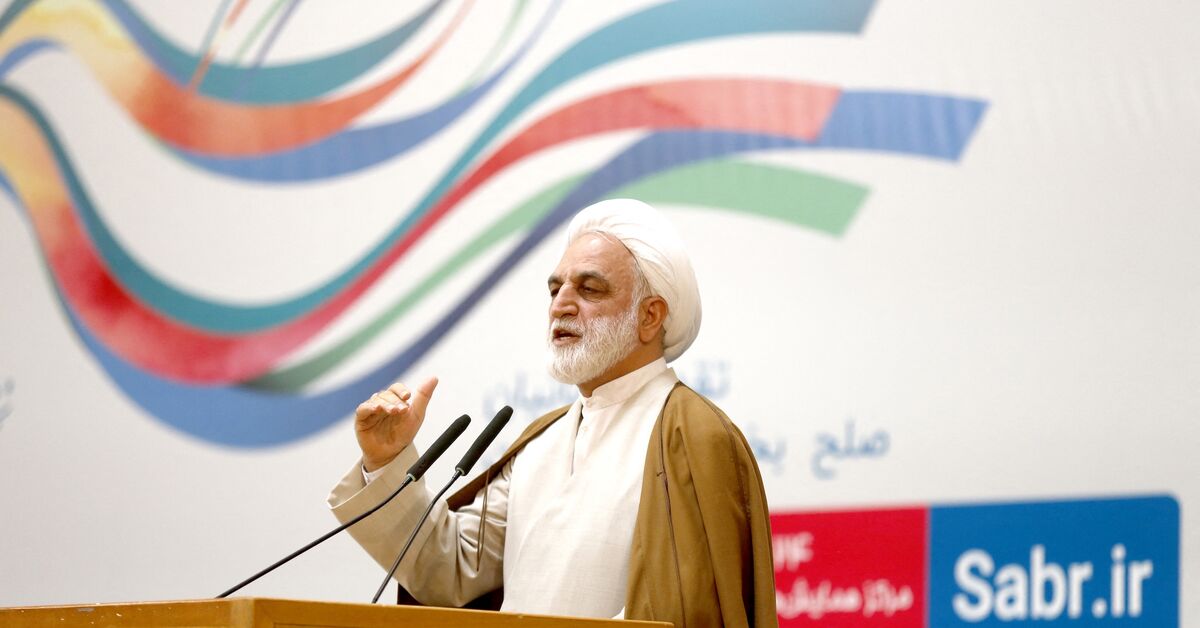
Iran Reappoints Hard-line Judicial Chief Mohseni Ejie
Iran’s hard-line judicial chief, Mohseni Ejie, has secured a second term as head of the country’s judiciary, reinforcing the regime’s conservative grip on power. The reappointment, confirmed by state media, follows reports to the contrary. Mohseni Ejie, a close ally of Supreme Leader Ali Khamenei, now holds a position that oversees the nation’s legal system. The decision underscores the consolidation of authority within Iran’s hardline factions, raising concerns among international observers about the trajectory of judicial independence and human rights enforcement.
Who is Mohseni Ejie and Why Does His Reappointment Matter?
Mohseni Ejie has served as Iran’s chief justice, appointed by Khamenei to lead the judiciary, a body that wields significant influence over the country’s political and legal landscape. His reappointment, announced by Tasnim News Agency, marks a pivotal moment in Iran’s power structure. Mohseni Ejie’s tenure has been characterized by strict enforcement of Islamic law, crackdowns on dissent, and a zero-tolerance approach to political opposition. The move aligns with Khamenei’s broader strategy to entrench conservative institutions, ensuring continuity in policies that prioritize ideological purity over reform.
According to ISNA News Agency, the Supreme Leader reappointed Hojjat-ol-Eslam Moshseni-Ejei as Head of Iran’s Judiciary. This process, which bypasses public scrutiny, highlights the opaque nature of Iran’s judicial appointments. The Guardian Council’s role in vetting candidates for key positions has been criticized by human rights organizations.
Regional Implications and Geopolitical Tensions
Mohseni Ejie’s continued leadership is likely to escalate tensions with Western nations and regional rivals. His office has previously issued harsh rhetoric against the United States and Israel, with a statement from the judiciary warning of “unpredictable consequences” for any “provocations” against Iran. This aligns with the broader hardline stance of the Islamic Republic, which has increasingly framed its domestic policies as a defense against external threats.

The reappointment also has economic ramifications. Iran’s judiciary plays a critical role in enforcing trade regulations, resolving commercial disputes, and overseeing foreign investment. Mohseni Ejie’s tenure may further deter international businesses, particularly in sectors like energy and technology, where regulatory clarity is essential.
Regionally, the move could destabilize fragile diplomatic efforts. The judiciary’s role in shaping Iran’s foreign policy is often underestimated. Mohseni Ejie’s influence ensures that any agreements will be framed through the lens of ideological resistance, not pragmatic compromise.
Legal and Human Rights Concerns
Human rights groups have condemned Mohseni Ejie’s reappointment, citing his history of overseeing politically motivated prosecutions. The judiciary has sentenced activists, journalists, and opposition figures to lengthy prison terms, many under charges of “enmity against the regime.” Mohseni Ejie’s office has “systematically suppressed dissent,” with a large proportion of convictions in politically sensitive cases resulting in prison sentences of five years or more.
“Mohseni Ejie’s continued tenure signals a regression in Iran’s legal system,” said a human rights advocate. “The judiciary is no longer an impartial arbiter but a tool for silencing opposition. This has a chilling effect on free expression and civil liberties.”
International legal experts have also raised concerns about the judiciary’s independence. Iran’s judiciary operates under the direct control of the Supreme Leader, undermining the separation of powers and the rule of law. This dynamic has led to calls for targeted sanctions against judicial officials, though such measures remain politically contentious.
What’s Next for Iran’s Judiciary?
Analysts predict that Mohseni Ejie’s reappointment will lead to further centralization of power within the judiciary. His office has already begun issuing directives to lower courts to prioritize cases involving “national security,” a broad term often used to justify harsh penalties. This could result in increased surveillance of dissidents and stricter enforcement of morality laws, particularly against women and minority groups.

The move also raises questions about the future of judicial reforms. A proposed overhaul of the judiciary’s structure was introduced by moderate lawmakers, aiming to reduce political interference. However, the bill stalled after facing fierce opposition from hardline factions. With Mohseni Ejie’s continued leadership, such reforms are unlikely to gain momentum.
For international businesses and legal professionals, the reappointment underscores the need for careful risk assessment. [Legal Services Firms] specializing in Middle Eastern law are advising clients to prioritize compliance with local regulations while monitoring developments in the judiciary. [Civic Organizations] in Tehran are also urging greater transparency in judicial processes, though their efforts face significant obstacles.
Why This Matters for Global Stakeholders
The reappointment of Mohseni Ejie