
Iran Proxies: Gulf States Fear Escalation & Attacks from Tehran-Backed Groups
Gulf States on Alert as Iran’s Proxies Threaten Regional Stability
Kuwait announced Wednesday it had thwarted a plot to assassinate state leaders and arrested six individuals allegedly linked to Hezbollah, escalating tensions across the Middle East following a series of Iranian retaliatory strikes and raising fears of wider regional destabilization.
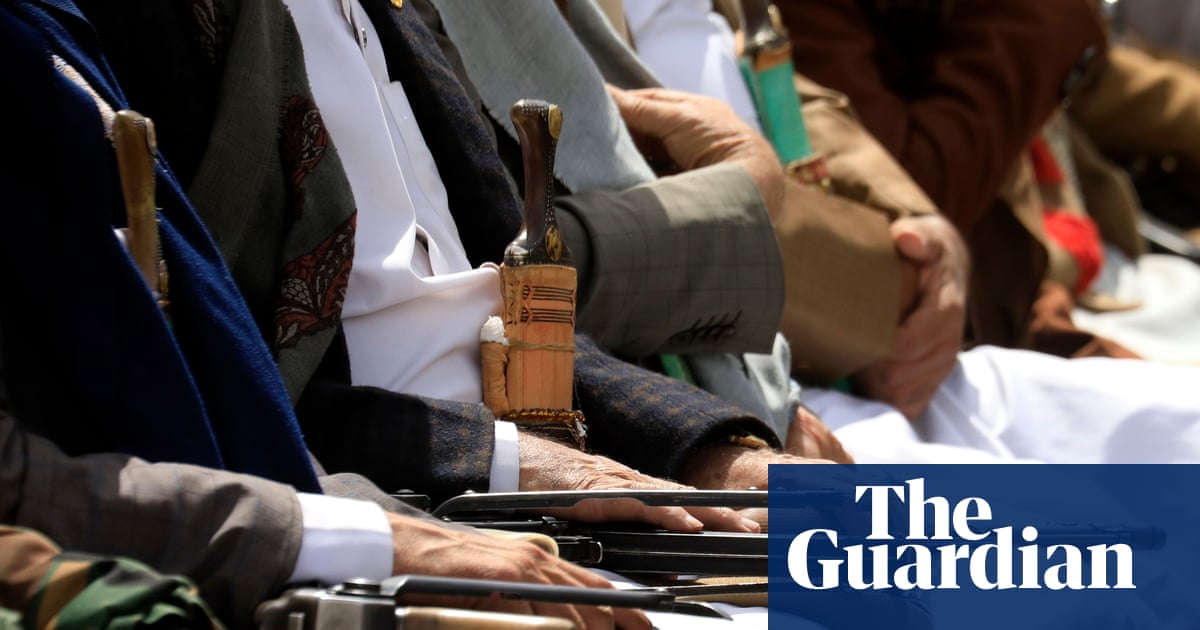
The arrests in Kuwait, coupled with similar reports from Qatar and Bahrain in recent weeks, underscore a growing concern among Gulf nations that Iran is activating proxy groups in response to the US-Israeli strikes on Iranian soil that began February 28th. These nations accuse Iran of utilizing these groups – including Hezbollah, the Houthis in Yemen, and various militias operating in Iraq and Syria – as a means to expand its regional influence and destabilize opposing countries.
A joint statement released this week by Qatar, Kuwait, the United Arab Emirates, Bahrain, Saudi Arabia, and Jordan condemned Iranian attacks on their territories, both those directly attributed to Iran and those carried out “through their proxies and armed factions they support in the region.” The statement specifically called on the Iraqi government to “immediately halt the attacks launched by factions, militias, and armed groups from Iraqi territory toward neighbouring countries,” citing concerns about the impact on regional stability.
The escalation follows a period of relative quiet from these proxy groups within the Gulf, despite decades of Iran’s reliance on them as a pillar of its foreign policy. However, since the attacks on Iran’s Pars gas field on March 18th, and subsequent Iranian threats targeting regional oil and gas facilities, Gulf states have reported a surge in activity linked to Iran’s Islamic Revolutionary Guard Corps. Qatar reported in early March the arrest of two cells comprising over ten individuals with ties to the Iranian regime. Bahrain also announced the arrest of individuals accused of espionage for Iran.
The attacks have already caused significant disruption. On March 19th, Iran struck Qatar’s Ras Laffan Industrial City, causing “extensive damage” to the energy hub, according to QatarEnergy. Simultaneously, Saudi Arabia intercepted and destroyed four ballistic missiles launched towards Riyadh and thwarted a drone attack on a gas facility in the east of the country. These strikes, and Iran’s listing of prominent regional oil and gas facilities as “direct and legitimate targets,” have raised concerns about potential disruptions to global energy supplies, with diesel prices in the United States already exceeding $5 a gallon.
Analysts warn that the threat from Iranian proxy groups remains greater the longer the conflict with Iran continues. Bilal Saab, senior managing director of the Trends US thinktank, stated that the “worst-case scenario for the Gulf countries is Iran activating their sleeper cells and these Shia militia movements in the region.” Saab noted that while these groups haven’t fully acted on this threat, there are “signs of dormant cells becoming active and getting arrested in states like Kuwait and the UAE.”
Saudi Arabia, which has a history of attacks by the Iran-backed Hezbollah al-Hejaz, and Bahrain, which has long accused Iran of establishing proxy cells within its borders, are viewed as particularly vulnerable. Saudi Arabia also remains engaged in conflict with the Houthis in Yemen, though the Houthis have stated they will not participate in the current conflict between the US, Israel and Iran. The potential for a situation similar to Iraq, where Iranian proxy groups have become deeply embedded and operate as a “state within a state,” is a major concern for Gulf leaders, according to Saab.
The Gulf states’ concerns are further compounded by reports that Saudi Arabia is urging the US to ramp up attacks on Iran, a move that could provoke further escalation and potentially trigger a wider activation of Iran’s proxy network. As of Friday, March 28th, no further offensive actions by either side have been publicly announced, leaving the region in a state of heightened alert and uncertainty.