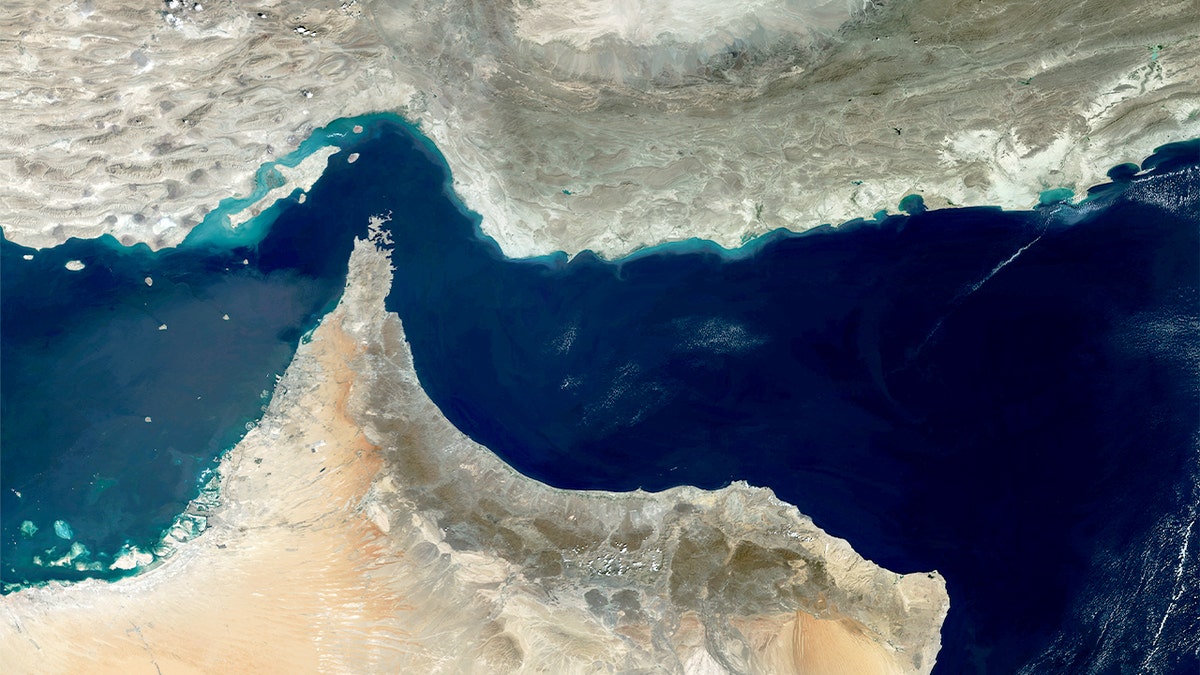
Iran offers to reopen Strait of Hormuz for US sanctions relief
The offer reached U.S. officials through a diplomatic message, as reported by AP News. Two regional officials, speaking on condition of anonymity, confirmed the terms: Iran would ease restrictions on the Strait of Hormuz, through which a significant share of the world’s traded oil and gas flows, in exchange for an end to U.S. economic measures that have limited its oil exports. The condition, however, is that nuclear talks be postponed to an unspecified future date.
The Strait’s Shadow Over U.S. Policy
The Strait of Hormuz is more than a waterway; it is a critical pressure point. Since military action began on February 28, the strait has become a focal point of tensions, with Iran tightening its control and the U.S. enforcing measures to restrict Iranian oil sales. The resulting disruptions have contributed to higher oil prices, which have in turn driven up gasoline costs and affected global supply chains. Food and fertilizer prices have also risen, adding to economic strains felt by consumers and businesses alike.
Yet Iran’s nuclear program remains a central concern for U.S. policy. Secretary of State Marco Rubio emphasized this in a recent interview, stating that any agreement must ensure Iran cannot advance toward developing a nuclear weapon. His remarks highlight the administration’s dilemma: while easing restrictions on the strait could provide economic relief, delaying nuclear negotiations risks allowing Iran to further its long-term ambitions.
The proposal places Washington in a difficult position. Reopening the strait could stabilize energy markets, offering relief to economies worldwide. However, postponing nuclear talks may undermine years of diplomatic efforts. The 2015 nuclear agreement, which the U.S. later exited, was intended to limit Iran’s nuclear capabilities in exchange for sanctions relief. Now, with the conflict ongoing and a fragile ceasefire in place, the U.S. must weigh whether short-term economic benefits justify potential long-term risks.
Gulf States Caught in the Middle
The implications of the strait’s closure extend beyond the U.S. and Iran. Gulf nations, including Saudi Arabia and the United Arab Emirates, depend on the Strait of Hormuz for their own oil and gas exports, and the restrictions have disrupted their economies. There have been renewed calls to ease the measures affecting the strait to stabilize global energy markets. However, these same allies have long expressed concerns about any agreement that does not address Iran’s nuclear program, fearing it could leave them exposed to future threats.
For more on this story, see Oil Prices Drop as Iran Reopens Strait of Hormuz.
Russia’s role adds another layer of complexity. Iran’s foreign minister was in Moscow when the proposal was made public, prompting questions about potential Russian involvement in the negotiations. While Russia has historically supported Iran’s positions, its own geopolitical interests may influence its stance. It remains unclear whether Moscow will provide tangible support or use the situation to advance its broader strategic objectives.
The economic consequences of the strait’s closure have been significant. Beyond oil, the restrictions have contributed to higher fertilizer costs, a key input for global agriculture. Food prices have risen as a result, exacerbating inflationary pressures that central banks are already working to contain. For countries reliant on food imports, the stakes are particularly high. The proposal to reopen the strait offers potential relief, but only if the U.S. is willing to accept the conditions set by Iran.
Will the U.S. Blink?
The question now is whether the U.S. will consider Iran’s terms. While the Biden administration has not yet responded publicly, internal discussions are likely underway. Economic advisors may advocate for an agreement that could ease pressure on oil prices and stabilize markets, while national security officials are likely to oppose any deal that does not address Iran’s nuclear program. Political considerations, including upcoming elections, may further complicate the decision.
Yet the risks of delay are evident. Iran’s nuclear program has advanced since the U.S. withdrew from the 2015 agreement, and postponing negotiations could allow Tehran to make further progress. The conflict, which began over Iran’s nuclear ambitions, has already resulted in significant loss of life and regional instability. Though a ceasefire is in place, it remains fragile, and the U.S. cannot afford to let Iran set the terms of the next phase.
For now, the proposal remains under consideration. The U.S. has not indicated whether it will engage, and Iran has not shown flexibility on its nuclear program. What is clear is that the stakes are too high for either side to dismiss the offer outright. The Strait of Hormuz is not just a bargaining chip; it is a vital artery for the global economy. How Washington responds will influence not only the future of the region but also the trajectory of energy markets and political dynamics in the U.S.
This follows our earlier report, Strait of Hormuz: Oil Prices Surge to $90 Amid Conflicting Reports on Reopening and Continued Disruptions.
What to Watch
The coming days may reveal whether the U.S. is open to Iran’s offer.
1. The U.S. response. Any public statements from officials could provide insight into the administration’s internal deliberations and whether it is inclined to engage with the proposal.
2. Oil prices. If the strait remains closed, energy markets may experience further volatility. A sustained rise in prices could increase pressure on the U.S. to reconsider its stance.
3. Gulf allies’ reactions. Saudi Arabia and the UAE have significant interests at stake. Their public positions could influence U.S. decision-making, particularly if they advocate for a resolution to the blockade.
4. Russia’s role. Moscow’s involvement in the negotiations could shift the balance. Observers should watch for any signals of support or opposition from the Kremlin.
5. The nuclear wild card. Iran’s nuclear program remains a critical factor. Any developments—or lack thereof—will shape the long-term viability of any potential agreement.
The Strait of Hormuz may be a narrow waterway, but its impact is global. The U.S. faces a difficult choice: prioritize economic relief or maintain its stance on nuclear nonproliferation. The decision will have consequences far beyond the Persian Gulf.