
Iran: Military Stepping Up Child Recruitment
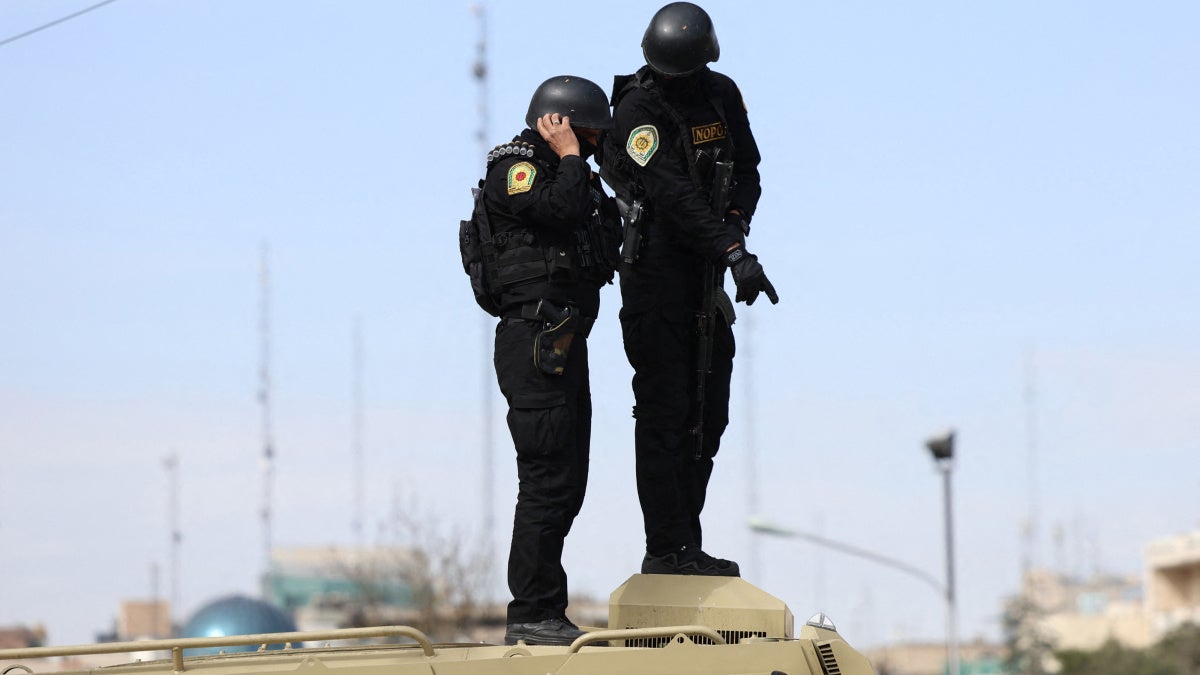
Iran’s Islamic Revolutionary Guard Corps (IRGC) has launched a controversial recruitment drive targeting children as young as 12. Designated as “Homeland Defending Combatants,” this campaign violates international war crime statutes and exposes minors to lethal risk amidst escalating US and Israeli airstrikes on Tehran.
The announcement on March 26, 2026, marks a disturbing escalation in the ongoing conflict. It is not merely a call for volunteers; it is a systemic integration of minors into active combat support roles. This decision places Iranian youth directly in the crosshairs of a high-intensity air war, creating an immediate humanitarian crisis that demands global attention.
The Desperation Behind the Draft
We must look at the tactical reality driving this decision. The IRGC is facing a manpower shortage exacerbated by thousands of precision strikes targeting their infrastructure. When a military organization lowers its recruitment age to 12, it signals a collapse in conventional recruitment pools. The campaign, titled “Homeland Defending Combatants for Iran,” explicitly seeks children for roles that sound benign but are inherently dangerous: staffing checkpoints, managing vehicle convoys and conducting intelligence patrols.

These are not classroom exercises. A checkpoint in a war zone is a primary target. A convoy driver is a combatant. By placing 12-year-olds in these positions, the Iranian state is effectively weaponizing childhood.
Rahim Nadali, an IRGC official, stated in a televised interview that teenagers were “demanding to be present” in these spaces. While framed as patriotic enthusiasm, this narrative ignores the coercive environment of a nation under siege. When a government advertises war roles to children on posters displayed in mosques, the line between volunteerism and indoctrination blurs beyond recognition.
“The officials involved in this reprehensible policy are putting children at risk of serious and irreversible harm and themselves at risk of criminal liability. Senior leaders who fail to put a stop to this can craft no claim to care for Iran’s children.”
This sentiment, echoed by Bill Van Esveld of Human Rights Watch, underscores the legal peril facing Iranian commanders. But beyond the rhetoric, we must examine the legal framework that allows this to happen.
The Legal Chasm: Domestic Loopholes vs. International Law
There is a deliberate gap between Iranian domestic regulations and international humanitarian law. Iranian officials rely on specific bylaws to justify the presence of minors in military spaces. They argue that “active” members aged 15 and above can collaborate after training. However, this new campaign pushes the boundary down to age 12, a move that has no legal cover even under their own relaxed standards.
The following table outlines the stark contrast between the protections Iran claims to offer and the reality of this new campaign:
| Legal Framework | Stated Minimum Age | Reality of 2026 Campaign |
|---|---|---|
| Iranian Employment Law (IRGC) | 16 years (Permanent/Contract) | Recruiting 12-year-olds for “volunteer” combat support. |
| Iranian “Active” Member Status | 15 years (Post-training) | Minors deployed to checkpoints without cited training verification. |
| Convention on Rights of the Child | 15 years (Absolute Minimum) | Direct violation. Recruitment under 15 is a war crime. |
| Optional Protocol (UN) | 18 years (Direct Participation) | Iran has signed but not ratified; customary law still applies. |
This legal dissonance creates a complex environment for accountability. For families in Tehran and surrounding provinces, the immediate problem is not just legal theory; it is the physical safety of their children. With US and Israeli forces conducting airstrikes on civilian infrastructure, including schools, sending a child to a mosque-based recruitment center is akin to sending them to the front line.
Geo-Local Impact: Tehran’s Mosques as Recruitment Hubs
The geography of this recruitment is specific and troubling. The campaign utilizes Tehran mosques that house Basij bases as registration points. This transforms places of worship and community gathering into military logistics hubs. For local residents, this complicates the safety of religious attendance. It forces a moral and physical dilemma upon parents: allow their child to register for “national defense” or risk social stigma and potential retribution.
the presence of minors at these facilities increases the likelihood of collateral damage. If a mosque housing a Basij base is targeted—as several have been in recent weeks—the casualty count will inevitably include children. This tactic effectively uses children as human shields, a grave violation of the laws of war.
Legal experts monitoring the region note that this strategy complicates future post-conflict justice. “When a state systematically integrates minors into its paramilitary structure, it creates a generation of victims who are as well legally classified as combatants,” says Dr. Elena Rossi, a Senior Analyst on Child Soldiers at the Geneva Centre for Security Policy. “This creates a massive barrier for future reintegration and requires specialized international human rights attorneys to navigate the complexities of juvenile justice in post-conflict zones.”
The Path to Protection and Accountability
The problem extends beyond the battlefield. Families facing pressure to enlist their children need immediate support. The psychological toll of living in a conflict zone, compounded by the threat of conscription, requires robust mental health infrastructure. Communities need access to trauma-informed counseling that understands the unique stressors of military recruitment drives.
the international community must prepare for the legal aftermath. The recruitment of children under 15 is a war crime under customary international law. Documenting these violations now is crucial for future accountability. Organizations specializing in child welfare advocacy are essential for gathering testimony and ensuring that the voices of these minors are heard in international courts.
We are witnessing a shift in the nature of this conflict. It is no longer just about territory or regime stability; it is about the exploitation of the most vulnerable. The “Homeland Defending Combatants” campaign is a symptom of a military under extreme pressure, but the cost is being paid by children who have no say in the geopolitics surrounding them.
As the situation in the Middle East evolves, the World Today News Directory remains committed to connecting affected communities with the resources they need. Whether it is finding specialized legal counsel to challenge unlawful conscription or locating humanitarian aid for displaced families, we provide the bridge between crisis and solution. The protection of children is not a political stance; it is a fundamental human imperative that transcends borders.