Iran-Israel Conflict: US Negotiates Peace as Attacks Escalate
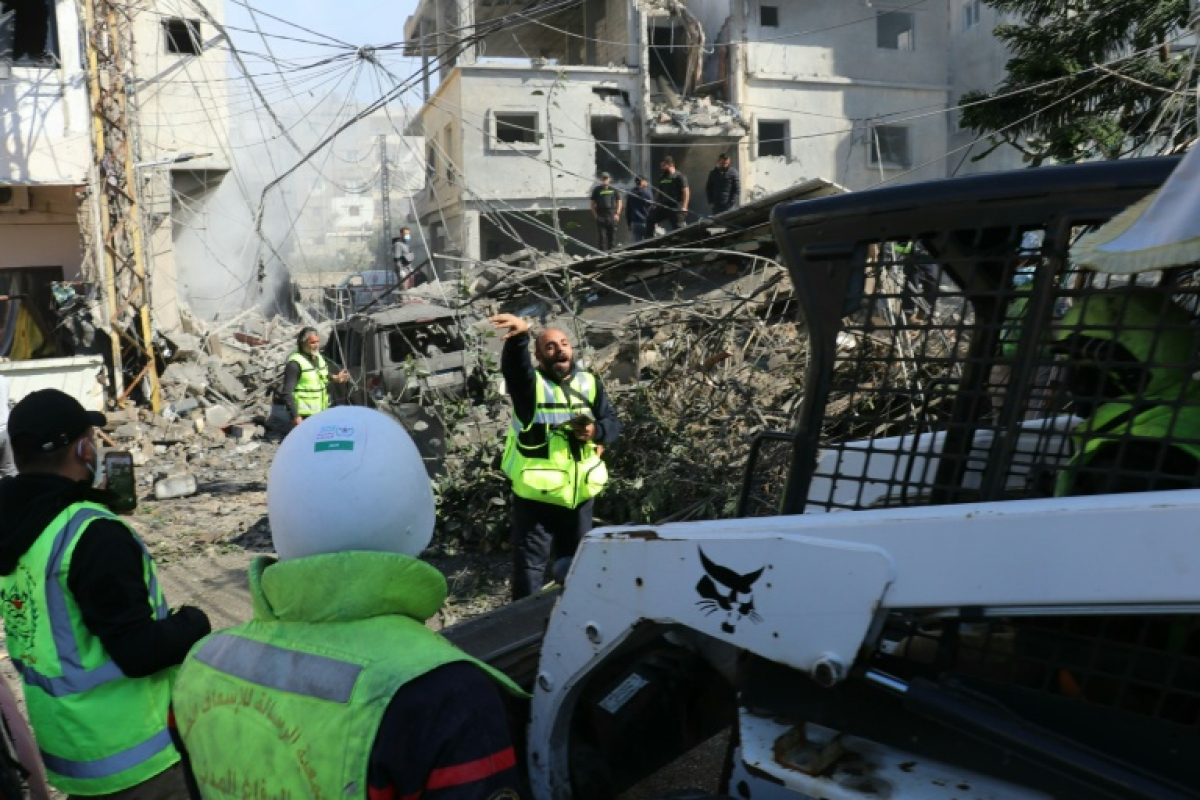
Israel and Iran exchanged further attacks Wednesday as diplomatic efforts, spearheaded by the United States, attempt to de-escalate the rapidly escalating conflict. While Iran stated that “non-hostile” ships could safely navigate the Strait of Hormuz with proper coordination, missile and drone strikes continued across the region, raising concerns about wider regional instability. The exchange of fire follows a joint US-Israeli military operation against Iranian targets that began on February 28, prompting retaliatory missile and drone launches by Iran towards Israel and Gulf Arab states hosting US military bases. Donald Trump asserted Wednesday that negotiations between Iran and the United States are “in progress,” involving his envoy Steve Witkoff, son-in-law Jared Kushner, Vice President JD Vance, and Secretary of State Marco Rubio. However, Iranian officials publicly deny any ongoing discussions aimed at ending the conflict. Multiple news outlets, including the New York Times and Israel’s Channel 12, report that the Trump administration has proposed a 15-point peace plan to Iran, delivered through Pakistan. According to three unnamed sources cited by Channel 12, the plan calls for a one-month ceasefire to allow Iran to consider the proposals. The proposed plan reportedly includes five points focused on Iran’s nuclear program, demands for Iran to cease support for regional allies such as Hezbollah and Hamas, and a requirement to maintain open navigation through the Strait of Hormuz. In exchange, Iran would receive a lifting of international sanctions and support for its civilian nuclear program. Iran has signaled a willingness to allow passage through the strategically vital Strait of Hormuz, stating that “non-hostile” vessels can transit safely in coordination with relevant authorities, according to the International Maritime Organization. Approximately 20% of global hydrocarbon production passes through the strait, and its recent partial blockade by Iran had driven up oil prices. The Director of the International Energy Agency stated readiness for another oil reserve release “if and when necessary,” following a request from Japan. Trump alluded to a “very big gift” related to hydrocarbons on Tuesday, potentially linked to the partial reopening of the strait. Israeli military strikes continued Wednesday, targeting what they described as infrastructure related to Iran’s missile production, including facilities producing naval cruise missiles. They also struck targets in Lebanon, a key area of operation for the Iranian-backed Hezbollah. Hezbollah responded by launching rockets and drones at the Israeli city of Haifa, claiming retaliation for the killing of Iran’s Supreme Leader Ayatollah Ali Khamenei. Israeli defense minister Israel Katz vowed that Hezbollah would pay a “heavy price” and declared its leader, Naim Qassem, a “marked target for elimination.” Lebanon’s Prime Minister, Nawaf Salam, condemned Hezbollah’s actions as “irresponsible” and announced an immediate ban on the group’s military activities. The conflict has spread beyond Israel and Iran, with reports of attacks targeting Kuwait. Iranian Revolutionary Guard Corps announced Wednesday they launched attacks against northern and central Israel, as well as against two US military bases in Kuwait, Jordan, and Bahrain. Kuwait’s civil aviation authority reported a drone attack that ignited a fuel tank at Kuwait International Airport, with no reported casualties. Israeli sources reported 12 injuries Tuesday evening near Tel Aviv from Iranian missile strikes. Israeli forces have ordered the evacuation of seven neighborhoods in the southern suburbs of Beirut, a Hezbollah stronghold, anticipating further military action. Since the beginning of the conflict in Lebanon on March 2nd, Israeli strikes have killed over a thousand people and displaced more than a million, according to Lebanese authorities. Israel has stated its intention to secure an area up to the Litani River, approximately 30 kilometers from the border, to ensure its security. The Iranian parliament speaker, Mohammad Bagher Ghalibaf, dismissed reports of negotiations as “false information” intended to manipulate financial and oil markets, according to Axios. Iranian diplomatic officials acknowledged receiving messages, via “friendly countries,” conveying a US request for negotiations, but have not confirmed any direct talks.