
Iran-Israel Conflict: Attacks, Energy Crisis & Strait of Hormuz Threat (March 23, 2026)
Missiles fired from Iran struck Israel early Monday, prompting Israel’s military to activate its air defenses. The exchange follows a period of escalating tensions in the Middle East, marked by attacks and counter-attacks across the region.
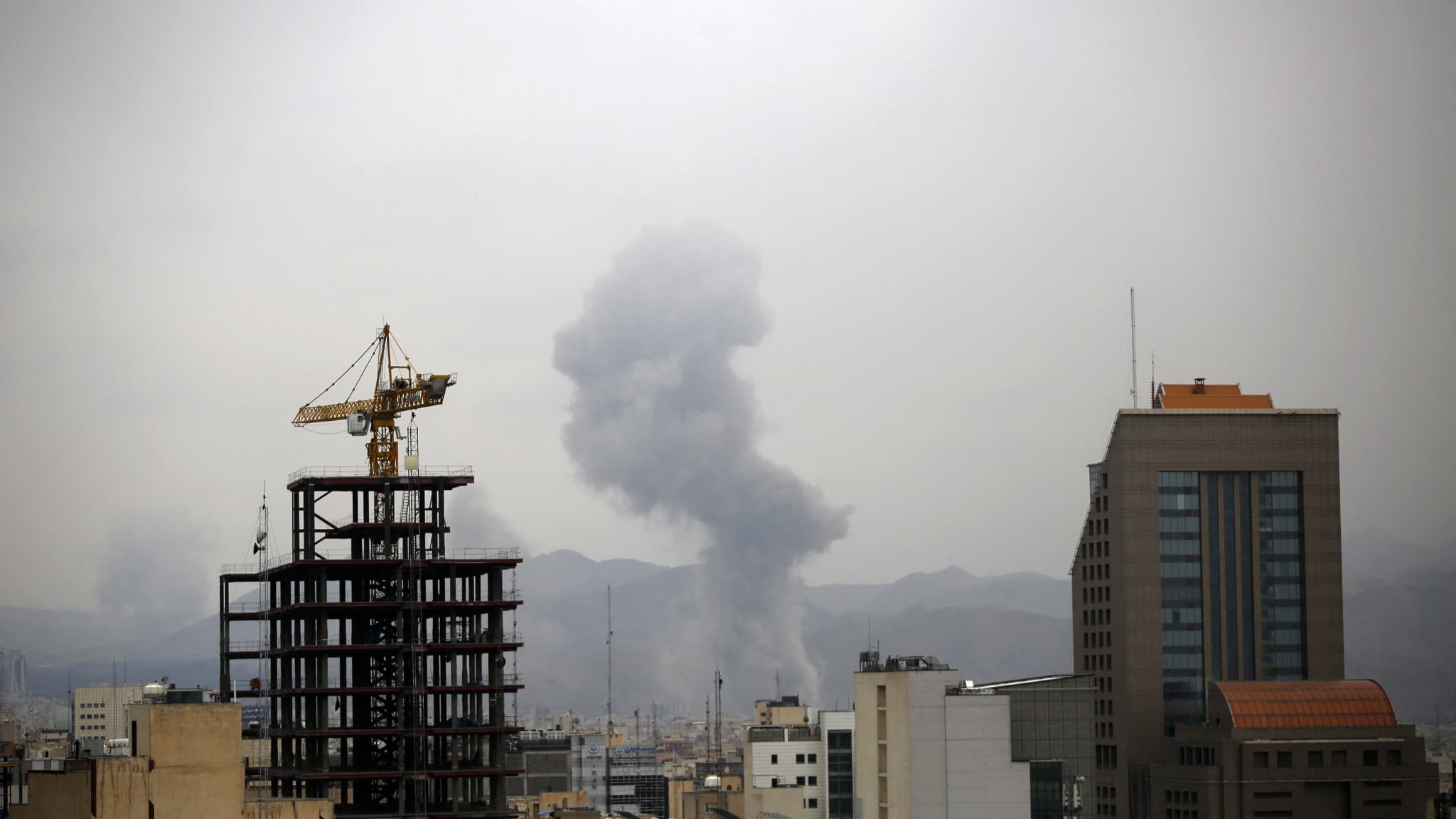
The Israeli military stated it had “detected missiles fired from Iran” and was intercepting the incoming threat. Simultaneously, explosions were reported in Tehran, with Iranian news agencies Fars and Mehr reporting strikes impacting the north, center, east, and west of the capital. A significant plume of smoke was visible for over an hour following the explosions, according to an AFP journalist on the ground.
The escalation comes after Iran threatened to fully close the Strait of Hormuz, a critical waterway for global oil supplies, should the United States act on threats to target Iranian power plants. This warning was issued by Iran’s inter-armed command center, Khatam al-Anbiya, according to state television.
Parallel to the direct exchange between Iran and Israel, multiple countries in the Gulf region reported being targeted by drones and missiles. Saudi Arabia’s defense ministry reported intercepting one ballistic missile aimed at the Riyadh region, with another landing in an uninhabited area. The United Arab Emirates stated it was responding to missile and drone threats originating from Iran, while Bahrain issued an alert regarding potential attacks.
Further complicating the situation, an attack on a radio transmitter in Bandar Abbas, Iran, resulted in one death and one injury. Iranian state radio, IRIB, attributed the attack to a “U.S.-Zionist terrorist army,” and reported that radio and television programs had been temporarily disrupted but were subsequently restored.
In Iraq, Kataeb Hezbollah, a powerful Iran-aligned armed group, announced a five-day extension to its suspension of attacks against the U.S. Embassy in Baghdad. The group had previously announced a similar five-day pause last Thursday, but maintained its readiness to retaliate in the event of aggression.
French President Emmanuel Macron reiterated his call for a moratorium on strikes against energy and civilian infrastructure, and urged Iran to restore freedom of navigation through the Strait of Hormuz during a call with Saudi Crown Prince Mohammed bin Salman. Macron similarly reaffirmed France’s solidarity with Saudi Arabia following recent attacks and pledged to contribute to its air defense.
The International Energy Agency (IEA) warned that the conflict in the Middle East could trigger the most severe global energy crisis in decades, stating that “no country will be immune” if the situation continues on its current trajectory. The IEA reported that at least 40 energy sites in the Middle East have been “severely damaged.”
Israel’s military also announced plans to “intensify its ground operations” in Lebanon against Hezbollah, stating that the operation “has only just begun” and is expected to be a prolonged effort.