
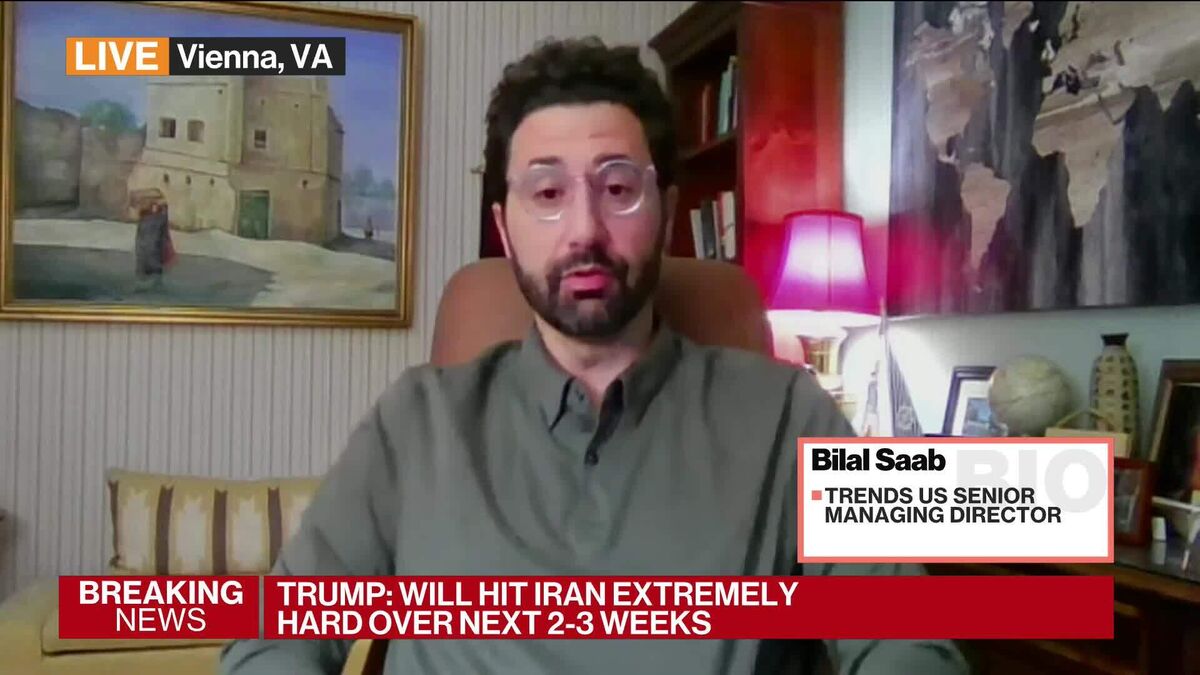
Iran Has Plenty of Ways To Cause Energy Mayhem: Analyst
Bilal Saab warns Iran possesses multiple vectors to disrupt global energy markets, triggering immediate volatility in crude futures and supply chain insurance premiums. Corporate treasurers must reassess geopolitical risk exposure across the Middle East corridor. Strategic hedging and supply chain diversification are no longer optional but critical fiscal imperatives for Q2 2026.
Bilal Saab, Senior Managing Director at TRENDS US, laid out a stark reality for institutional investors monitoring the Middle East corridor. Iran holds a plethora of options to cause mayhem in global energy markets. This assessment follows President Donald Trump’s primetime address on the Iran war, signaling a potential escalation that transcends rhetoric. Markets hate uncertainty, and the Strait of Hormuz remains the single point of failure for global liquidity in oil trading. Twenty percent of the world’s oil consumption passes through this chokepoint. A disruption here does not merely spike prices; it severs the arterial flow of capital tied to energy derivatives.
Corporate treasuries are already feeling the pinch. Volatility indices on Brent Crude options have widened significantly as traders price in the risk of asymmetric warfare. This is not a standard supply shock. It is a geopolitical premium baked into every barrel moving forward. Companies relying on just-in-time delivery models face immediate margin compression. The cost of capital for energy-intensive industries rises alongside the risk premium. CFOs across the industrial sector are scrambling to stress-test their balance sheets against a potential 15% spike in input costs.
Reviewing the latest EIA Short-Term Energy Outlook reveals how tightly coupled global growth remains to stable energy flows. When supply chains fracture, inflation recurs. Institutional investors are rotating capital away from exposed logistics firms toward defensive assets. The narrative has shifted from growth at all costs to resilience at any price. This pivot requires specialized knowledge that generalist firms often lack. Organizations are increasingly consulting with top-tier risk management consulting firms to model worst-case scenarios for their supply chains. These advisors provide the quantitative analysis needed to justify hedging strategies to shareholders.
Three specific mechanisms define how this geopolitical tension translates into fiscal damage for the private sector. Understanding these vectors allows businesses to preemptively secure their operations before the market fully prices in the disruption.
- Insurance Underwriting Spikes: Marine war risk insurance premiums escalate rapidly during heightened tensions. Carriers pass these costs directly to shippers, inflating the landed cost of goods. Recent filings from major maritime insurers indicate that coverage limits are being rewritten to exclude specific high-risk zones. Procurement teams must negotiate force majeure clauses with greater precision to avoid absorbing these unexpected liabilities.
- Derivatives Liquidity Crunch: As volatility spikes, margin requirements on energy futures increase. Companies holding unhedged positions face immediate cash flow calls. Treasury departments need to ensure sufficient liquidity buffers are in place to meet collateral demands without disrupting operational spending. Access to commodity trading advisors becomes essential to navigate the complex landscape of swaps and options during turbulent trading sessions.
- Regulatory Compliance Burdens: Sanctions regimes tighten instantly during conflicts. Legal teams must verify that no counterparties are inadvertently linked to sanctioned entities. A single compliance breach can result in massive fines and reputational damage. Multinational corporations are bolstering their internal audit functions to ensure real-time screening of all vendors and logistics providers against updated government watchlists.
The operational response requires more than just financial engineering. It demands a restructuring of the supply chain itself. Diversification is the only true hedge against regional instability. Companies are looking to nearshore production facilities to reduce transit times and exposure to maritime chokepoints. This shift involves complex legal frameworks and cross-border investment structures. Engaging specialized international corporate law firms ensures that new supply chain nodes comply with both local regulations and evolving sanctions law. The cost of setting up these structures is high, but the cost of disruption is higher.
“Geopolitical risk is no longer a footnote in the 10-K. It is the primary driver of capital allocation decisions for the next fiscal year.”
This sentiment echoes through recent earnings call transcripts from major industrial conglomerates. Darren Woods, CEO of ExxonMobil, has previously noted that investment discipline must account for long-term stability over short-term yield. The market is listening. Equity analysts are downgrading firms with concentrated exposure to the Persian Gulf. Credit rating agencies are incorporating geopolitical stress tests into their sovereign and corporate ratings. A downgrade increases borrowing costs, creating a vicious cycle for highly leveraged entities. The window to act is narrowing.
Capital markets are pricing in a prolonged period of instability. The yield curve reflects these anxieties, with spreads widening between stable and exposed sectors. Investors are demanding higher returns for holding assets vulnerable to energy shocks. This environment favors companies with strong balance sheets and flexible operational models. Weak players will face liquidity crises as credit conditions tighten. The divergence between resilient firms and vulnerable competitors will accelerate throughout 2026. Strategic partnerships become vital survival tools.
Execution is everything. A plan on paper does not stop a missile from disrupting a shipping lane. Real-time intelligence and agile response teams are necessary to navigate the unfolding crisis. Businesses must integrate geopolitical data feeds into their enterprise resource planning systems. This integration allows for dynamic rerouting of logistics and immediate adjustment of procurement strategies. Technology providers specializing in supply chain visibility are seeing unprecedented demand. The ability to witness a disruption before it hits the P&L statement is the ultimate competitive advantage.
World Today News Directory tracks the vendors capable of delivering this resilience. From legal counsel specializing in sanctions to logistics firms with alternative routing capabilities, the infrastructure for stability exists. The market does not reward hesitation. Leaders who secure their supply chains and hedge their exposures now will define the competitive landscape for the decade. Those who wait for clarity will find themselves paying the premium for everyone else’s preparation. The directory remains the primary resource for vetting these critical B2B partners.