Iran-Gulf Talks Postponed Amid Houthi Attacks and Rising Oil Prices
Diplomacy in the Middle East faced a setback when a high-stakes regional meeting between Iran and several Gulf Arab nations in Oman was postponed. According to reports, the cancellation occurred as Saudi Arabia countered escalating Houthi attacks on its territory, sending Brent crude prices surging past $108 a barrel and raising concerns over vital energy transit routes.
The Collapse of Omani-Mediated Shipping Talks
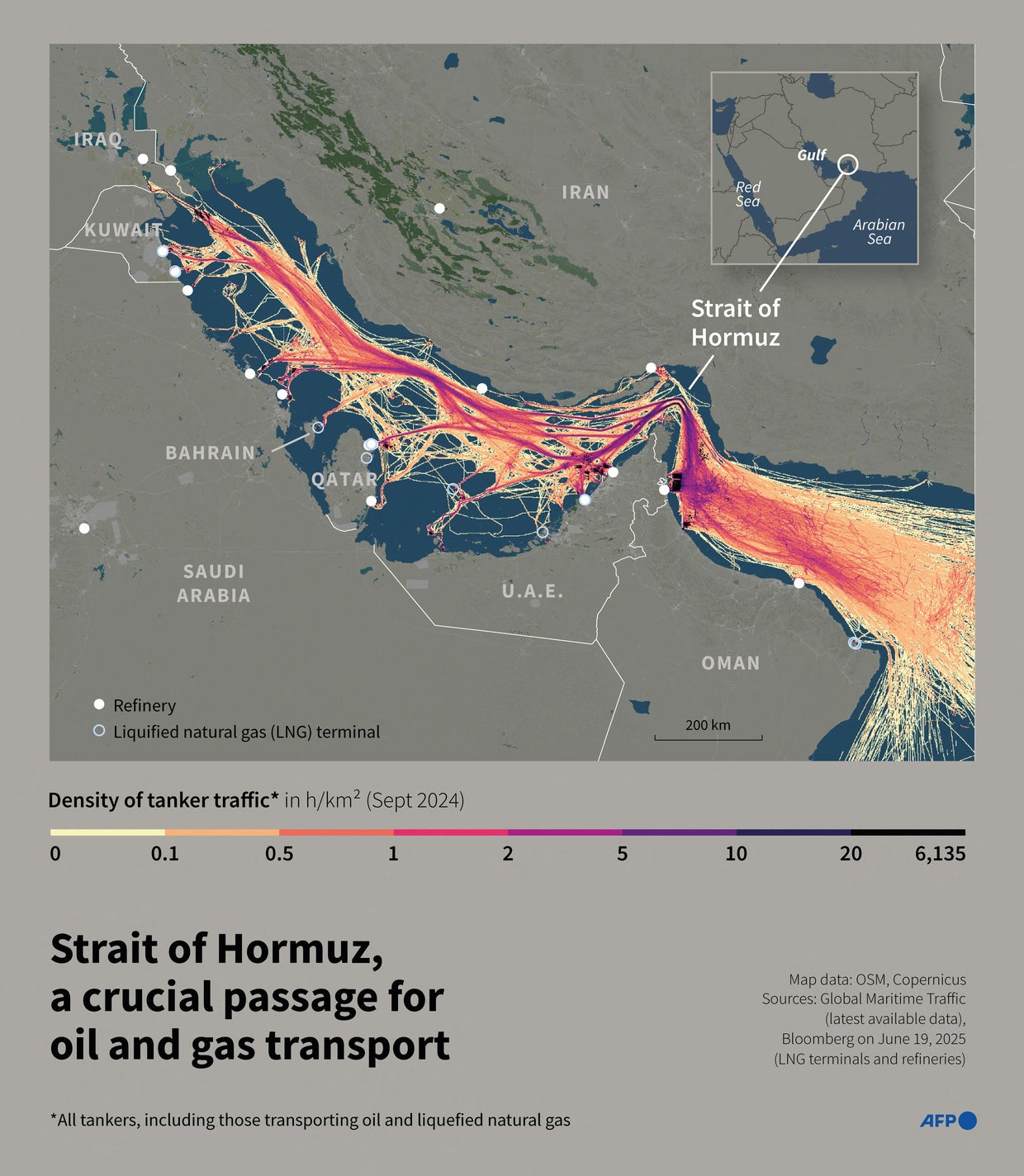
The gathering in Oman was intended to establish a temporary shipping framework for the Strait of Hormuz, a crucial maritime corridor that handles roughly one-fifth of global oil supplies. Omani Foreign Minister Sayyid Badr Albusaidi announced late Sunday that the talks were called off “in the interests of consensus,” according to reporting. Iranian state media outlets, including the Fars news agency, confirmed that the postponement followed a formal request from regional partners, though Tehran insisted the delay was a joint decision made with Muscat to find a more suitable date.

The diplomatic stumble marks a frustrating interruption to the first formal dialogue between Iran, Gulf Cooperation Council members, and Iraq since the United States and Israel initiated military engagements with Tehran. The proposed agreement under discussion would have granted Iran the authority to regulate vessel entry through the Strait of Hormuz and potentially levy transit fees, offering a partial compromise to restore fractured shipping flows.
Infrastructure Damage and Oil Market Volatility
While diplomatic channels remain officially open, realities on the ground have severely constrained regional stability. Multiple attacks around the region’s primary energy arteries have severely compressed global supplies. Saudi Arabia was forced to shut down its critical 1,200-kilometer east-west pipeline over the weekend following drone strikes originating from Iraq, where several Iran-backed militias operate. Satellite imagery confirmed large columns of smoke rising from pipeline pumping infrastructure.
Traders and industry buyers noted that Riyadh retains adequate emergency reserves at its Red Sea port of Yanbu to sustain exports for only five to seven days. Beyond that window, roughly 4% of global oil supplies remain jeopardized, compounding losses from ongoing disruptions in the Strait of Hormuz. Commodity vessel transits through the narrow waterway dropped to single-digit daily averages over the weekend, a steep decline from the normal ten-day baseline average of 14 ships.
As retail fuel expenses climb—with United States diesel prices hitting record highs above $6.20 a gallon—energy market volatility has placed intense pressure on logistics networks. Maintaining operational continuity requires robust contingency planning, prompting multinational firms to engage specialized experts to mitigate route disruptions. Furthermore, physical damage to regional facilities has underscored an urgent need for vetted industrial infrastructure repair teams, pushing corporations to retain certified providers.
Regional Retaliation and Divergent Political Postures
The diplomatic breakdown reflects deepening friction between Riyadh and Tehran over Yemen-related security. According to coverage, the Iranian foreign ministry criticized Saudi Arabia’s push for a delay, calling it a diversion from the fundamental drivers of the regional conflict. Meanwhile, Yemen’s Houthi movement publicly claimed responsibility for targeting a Saudi airbase in Khamis Mushait on Monday, though Riyadh issued regional alerts without officially confirming specific site damage.

Parallel maritime security incidents further complicated the diplomatic environment. The United Kingdom Maritime Trade Operations (UKMTO) reported that a commercial vessel transiting the Strait of Hormuz was struck by a projectile, triggering a localized fire and forcing a full crew evacuation. Simultaneously, Iranian authorities confirmed that one person was killed and four crew members wounded after an Iranian commercial vessel was struck off its coast.
Amidst the mounting fiscal and operational pressures, political figures have weighed in on potential diplomatic openings. United States President Donald Trump posted on social media that Iran wants to reach a settlement quickly, stating that he will determine whether Washington chooses to engage in fresh negotiations. Despite such statements, Iranian Foreign Minister Abbas Araqchi maintained in an interview that Tehran will not fully reopen the Strait of Hormuz until Washington satisfies explicit Iranian security demands.
As the geopolitical standoff persists without a clear timeline for resumed talks, regional stakeholders must brace for prolonged uncertainty. Navigating complex cross-border compliance and insurance liabilities in active conflict zones demands immediate professional oversight, making consultation with specialized experts an indispensable step for global enterprises.
Keep reading
- Megan Stalter Stuns at 2026 Emmy Awards Dressed as the Trophy
- Supreme Court Rejects Former Delhi Mayor Farhad Suri Plea Against UP Police Raid
- China’s Chang’e-7 Lunar Mission Postponed: Critical Challenges Suspected (newsdirectory3.com)
- Malawi Parliament Suspends Probes Amid Crunch Talks Between Speaker and President (newsy-today.com)